Auto Amazon Links: No products found. Blocked by captcha.
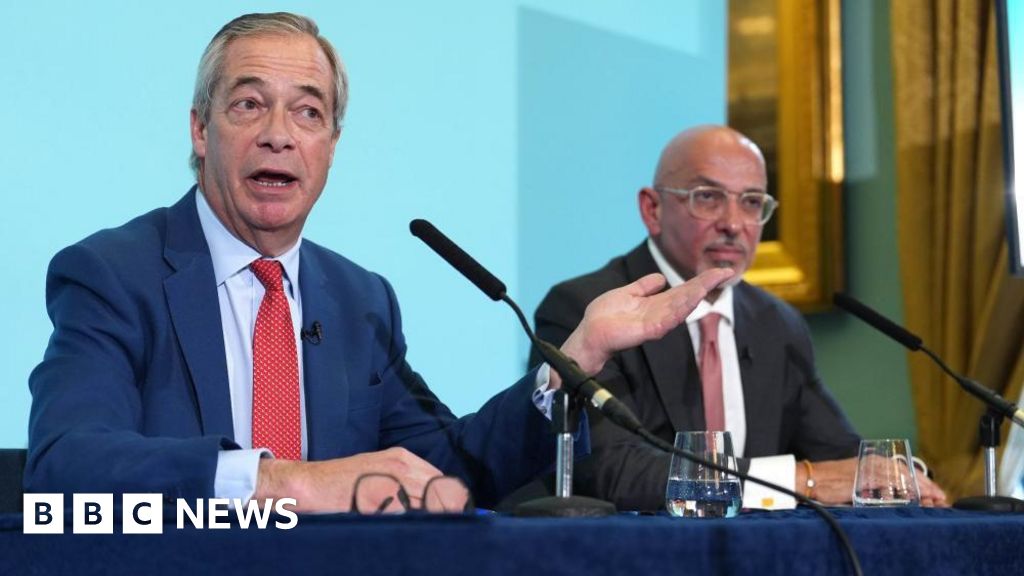
Nadhim Zahawi’s decision to leave the Conservative Party and join Reform has captured significant attention, highlighting both opportunities and challenges for Nigel Farage’s movement. Zahawi’s move is notable primarily because of his stature—he is arguably the most prominent former Conservative to align with Reform so far. His government experience is substantial; he played a key role in managing the successful Covid vaccine rollout, held the position of education secretary, and briefly served as chancellor and later as the most senior minister in the Cabinet Office.
Farage has long emphasized the need for Reform to include individuals with practical government experience if the party wants to be taken seriously as a contender for power. Zahawi fits this requirement well given his background. Beyond his political career, Zahawi’s personal journey is compelling—born in Iraq, he fled with his family as a child and arrived in the UK without English. Overcoming these barriers, he built a successful career in business, co-founding the polling company YouGov, and achieving a senior governmental role, making his story one of immigrant success in Britain.
Zahawi is the latest in a growing procession of senior Conservatives defecting to Reform. According to recent BBC data, 22 former Conservative MPs have now joined the party, including several who held cabinet and junior minister roles. Many were strong supporters of Boris Johnson during his tenure, such as Nadine Dorries, Andrea Jenkyns, Jonathan Gullis, and Lia Nici. For Reform, attracting such experienced figures is a clear strategy aimed at positioning themselves as a credible alternative to the Conservatives on the right of UK politics, signalling a desire for fresh leadership.
However, this influx of ex-Tory politicians brings potential pitfalls. Reform has been critical of the Conservative government, particularly on issues like immigration, and some party members view the association with former cabinet ministers with skepticism. Opponents have seized on this, branding Reform as a haven for “failed Conservative MPs,” while Conservative critics argue the party is becoming a collection of “has-been politicians looking for their next gravy train.” Nigel Farage acknowledges these risks and has reportedly rejected some Conservative defectors he deemed unsuitable. Nevertheless, questions remain about whether Reform is nearing a tipping point in its reliance on ex-Tories.
Zahawi himself presents additional concerns. The Conservative Party claims he was lobbying for a peerage in the House of Lords just weeks before his defection, though a source close to him has denied any “begging.” Moreover, Zahawi’s departure follows a damaging episode involving his personal tax affairs. After a critical report from the Prime Minister’s ethics adviser, he was dismissed by Rishi Sunak due to failures to disclose that HMRC was investigating his tax situation, representing a serious breach of the ministerial code. Zahawi described these errors as careless, but the controversy effectively ended his ministerial career.
Despite these issues, Farage appears convinced that Zahawi’s advantages as an experienced figure outweigh the drawbacks of his past controversies. The announcement has sparked widespread speculation in Westminster about who might next jump ship from the Conservatives to Reform. Yet, the gradual shift of former Tory MPs into the new party does come with significant risk, raising questions about the future identity and credibility of Reform as it seeks to establish itself on the UK political landscape
Read the full article from The BBC here: Read More
Auto Amazon Links: No products found. Blocked by captcha.