Auto Amazon Links: No products found. Blocked by captcha.
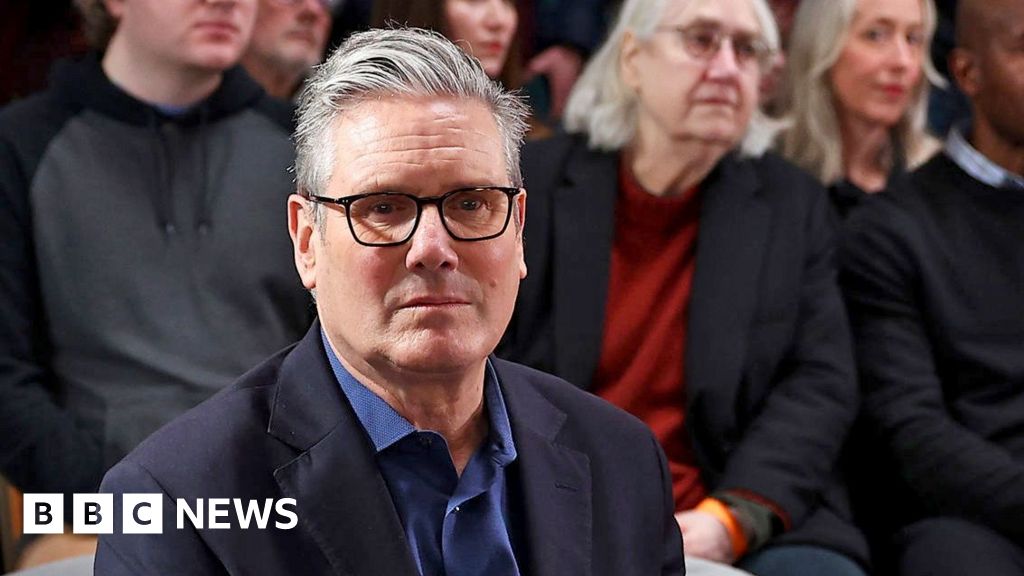
Sir Keir Starmer is currently experiencing a critical and tense period in his leadership. Throughout the day, his statements and actions have reflected a clear awareness of the seriousness of his predicament. It would have seemed incongruous for him to proceed with his originally planned speech about increasing funding to boost community pride without addressing the larger issues that have now taken center stage.
Instead, Starmer chose to issue a formal apology to the victims of Jeffrey Epstein, acknowledging that he had “believed Mandelson’s lies” and had appointed Peter Mandelson to a senior diplomatic role despite these concerns. This moment of contrition was complemented by Starmer’s recognition, under pressure from journalists, of the “anger and frustration of Labour MPs,” a crucial admission given that his future largely depends on the support of those within his own party.
The discontent within Labour ranks is intense and more vocal than at any previous point in Starmer’s tenure as leader. Labour MP Rachael Maskell, long critical of Starmer over welfare policy, declared his position “untenable,” predicting that resignation is inevitable. In an interview on BBC Radio York, she criticized Starmer for withholding crucial information regarding Mandelson’s connection to Epstein at the time of his appointment, calling this a “dishonourable thing to do” not only to MPs but also to Epstein’s victims.
The mood among Labour MPs is divided but fraught with concern. While some voices express unwavering support, urging calm and commending the prime minister’s recent actions, others remain deeply skeptical about Starmer’s capacity to continue. Comments from unnamed MPs suggest the situation is irreparable, with one describing it as a “terminal” phase, and others remarking that Starmer is effectively “done,” with only the timing of his departure undecided. The reluctance to publicly demand his resignation or the dismissal of key figures such as his chief of staff, Morgan McSweeney, indicates that despite his weakened state, no immediate leadership challenge appears forthcoming. Many insiders believe any significant moves will likely wait until after upcoming electoral contests later this spring
Read the full article from The BBC here: Read More
Auto Amazon Links: No products found. Blocked by captcha.