Auto Amazon Links: No products found. Blocked by captcha.
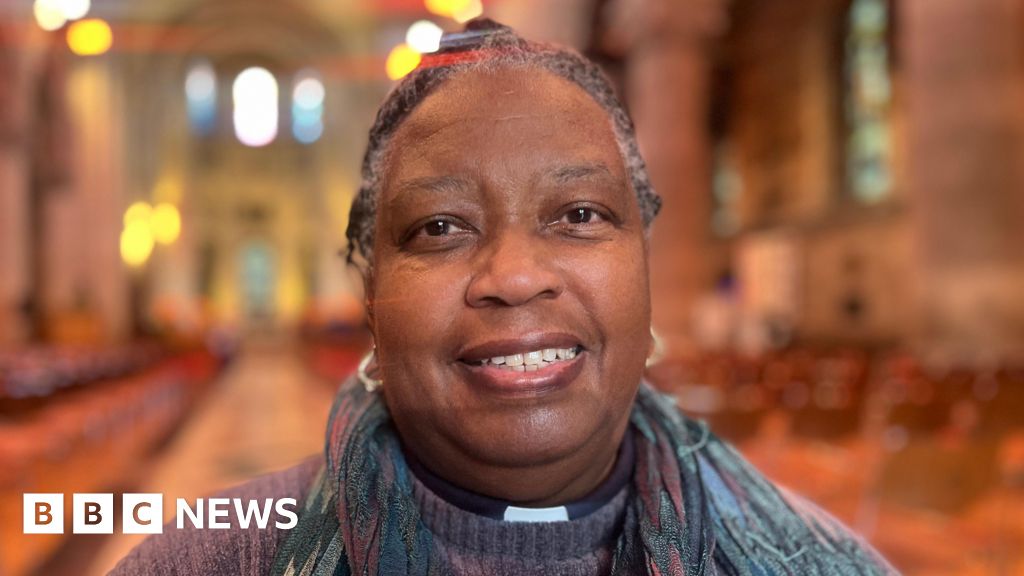
A Church of Ireland minister has expressed a strong desire for churches to take a more active stance against racism whenever it occurs. Reverend Eileen Cremin, who ministers as a person of colour, described her overall experience in her role as mostly positive. She acknowledged having faced only minor instances of direct racism, which she attributed to prejudice arising from ignorance and misunderstanding.
Speaking to BBC News NI prior to delivering a sermon at St Anne’s Cathedral in Belfast during a service commemorating Racial Justice Sunday, Rev Cremin highlighted the importance of raising awareness about racial justice within church communities. She emphasized her hope that the event would inspire churches and individuals alike to offer a warm, welcoming environment to those from diverse backgrounds. “I hope that churches will feel emboldened now to counteract racism whenever they see it,” she remarked, stressing the need for congregations to extend hospitality to people who may look different from themselves.
The theme of the service was “Love Your Neighbour,” which Rev Cremin explained as embodying a love that fosters comfort, belonging, and mutual recognition despite physical differences. She suggested that if churches actively engage with their local communities to demonstrate what racial justice looks like, this could gradually influence broader society and help diminish the negative rhetoric that has been prevalent in recent years. The event was led by the Archbishop of Armagh, the Most Reverend John McDowell.
Archbishop McDowell spoke about the challenges newcomers to Northern Ireland face, particularly those from African countries with strong Christian traditions who struggle to find a welcoming space to worship. “Many of them come from Anglican backgrounds but we don’t see so many of them in our churches,” he noted. He described the service as a gesture of inclusion, aimed at making these individuals feel welcomed not just to attend worship but to be integrated into the community and share their gifts. Acknowledging that some might encounter unwelcoming attitudes elsewhere, he affirmed: “You are always welcome in your Father’s House.” Addressing wider social dynamics, he recognized the difficulty of overcoming the invisibility and disconnect experienced by migrants, emphasizing the need for churches to bridge that gap and foster a sense of belonging for all
Read the full article from The BBC here: Read More
Auto Amazon Links: No products found. Blocked by captcha.