Auto Amazon Links: No products found. Blocked by captcha.
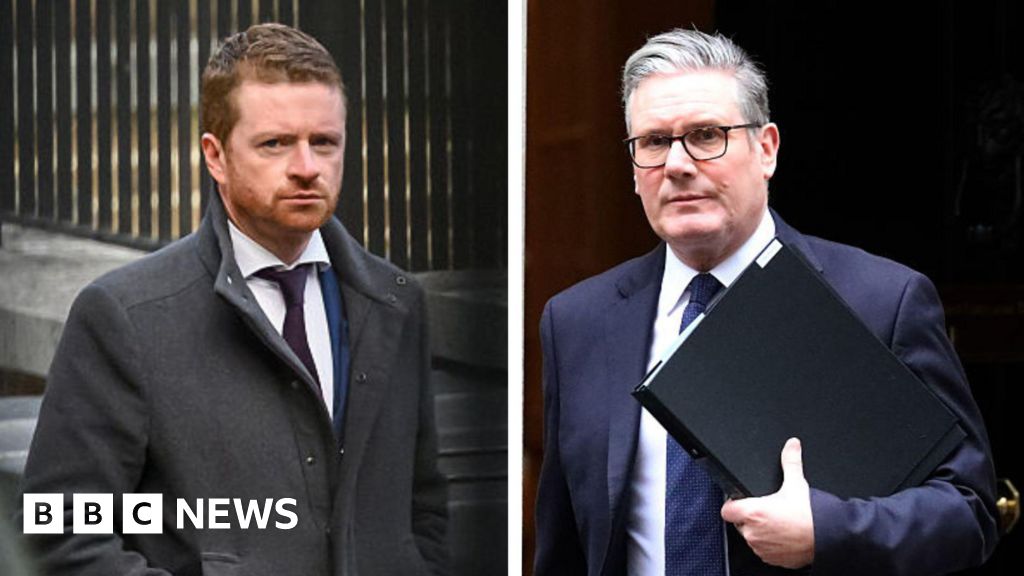
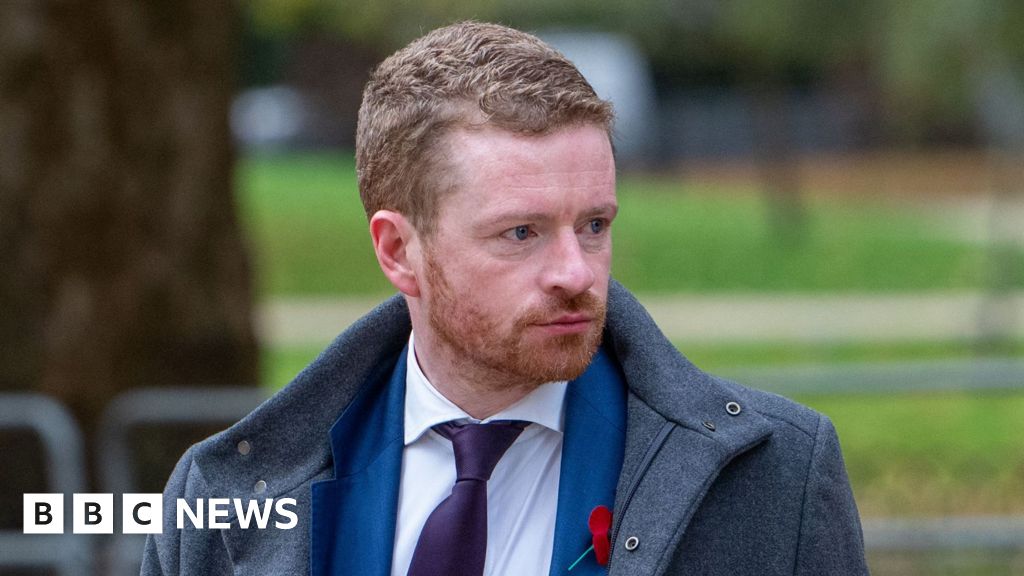
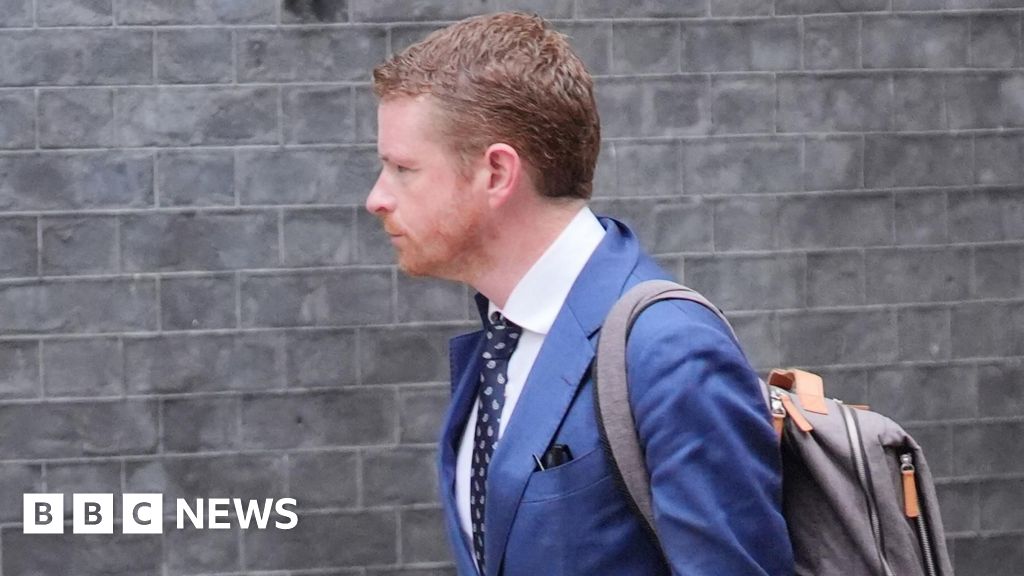
Morgan McSweeney has played a quietly influential yet pivotal role behind the scenes of British politics for over ten years, despite rarely making a public appearance or speaking on record. Known for avoiding media exposure, he has kept a low profile, steering clear of TV cameras and photographers, especially during political upheavals in Whitehall. However, his unexpected exit as the chief aide to Sir Keir Starmer, triggered by his controversial recommendation in late 2024 to appoint Lord Mandelson as the UK ambassador to Washington, places the prime minister in a vulnerable position that is not immediately obvious.
An important question now circulating within Westminster is what kind of leadership Sir Keir Starmer will display without McSweeney, who many have regarded as his political mastermind. Their relationship stands out because Starmer did not select McSweeney; rather, it was McSweeney who identified Starmer as the candidate most capable of reclaiming control of the Labour Party during the Corbyn era. By conducting party member polls, McSweeney concluded that the lawyer and shadow Brexit secretary was the best figure to challenge the left-wing dominance. His strategic deception led many Corbyn supporters to believe Starmer was aligned with their views, which helped Starmer win the leadership. Subsequently, Starmer distanced himself from Corbynites and adopted a more centrist platform geared toward the general election.
McSweeney’s political instincts were shaped through his early work at Labour headquarters during the 2001 general election and later in local government. Much like Dominic Cummings did for Boris Johnson, McSweeney is credited with engineering Labour’s electoral success, though his tenure has also been marked by criticisms surrounding internal discord and policy reversals once in government. Moreover, he has been accused of fostering a “boys’ club” culture at Downing Street, leading some MPs to call for a comprehensive cultural change rather than just personnel shifts. Sir Keir’s appointment of Jill Cuthbertson and Vidhya Alakeson as interim joint successors to McSweeney may represent the initial steps toward this transformation.
Supporters close to McSweeney argue the resignation is unfair since other advisers who had recommended Lord Mandelson remain employed, and McSweeney himself took full responsibility for the advice despite not being in charge of the vetting process. One loyalist insisted, “Morgan was duped like many of us. He’s saved the party. A lot of MPs and the cabinet know they owe their jobs to him. But the noise is too much of a distraction and ultimately he’s a Labour man.” Yet, the explanation that vetting failures overlooked Lord Mandelson’s questionable post-conviction association with Epstein strains credibility. Although many in government admired McSweeney’s political acumen, it is clear he misjudged this situation, making him the most prominent casualty in the ongoing controversy. Whether concerns about forthcoming government document disclosures that could cause personal embarrassment affected McSweeney’s decision to leave remains uncertain.
In the wider political context, Labour MPs will ultimately decide how long Sir Keir Starmer retains his position, and it is unclear if McSweeney’s resignation will quell demands for further accountability. Downing Street plans to continue efforts to placate backbench criticism, with particular attention on the 37 Scottish Labour MPs, who privately view Starmer as a liability in the upcoming Holyrood elections. These efforts will begin with a reception at Number 11 Downing Street followed by strategic discussions at Number 10. Public reaction to McSweeney’s departure is expected to be muted; one Labour MP commented, “I doubt most people in the real world will notice. Talk of Mandelson very rarely came up on the doors in Gorton and Denton yesterday.” Nevertheless, losing McSweeney removes the prime minister’s top campaign strategist and most reliable political adviser at a moment when Starmer faces increasing isolation.
This situation raises a logical question: if the adviser who gave the controversial recommendation steps down, why not the prime minister who made the final call? Sir Keir’s success in turning around Labour’s fortunes within a single parliamentary term rested on both his own ruthlessness and pragmatism and the delegation of considerable responsibility to McSweeney. These qualities will be tested more severely than ever in the days ahead as the prime minister seeks to navigate the fallout from this crisis
Read the full article from The BBC here: Read More
Auto Amazon Links: No products found. Blocked by captcha.