Auto Amazon Links: No products found. Blocked by captcha.
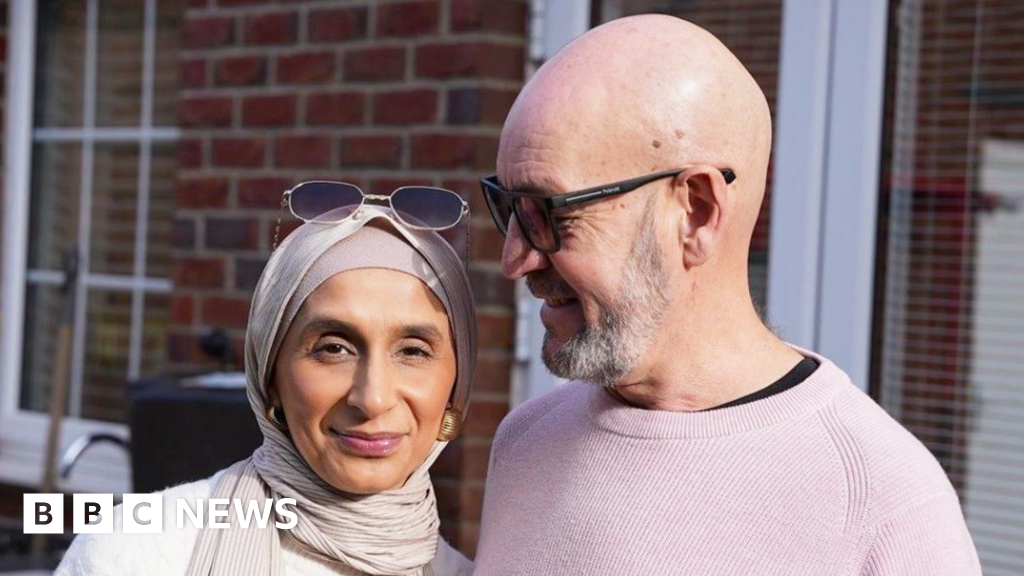
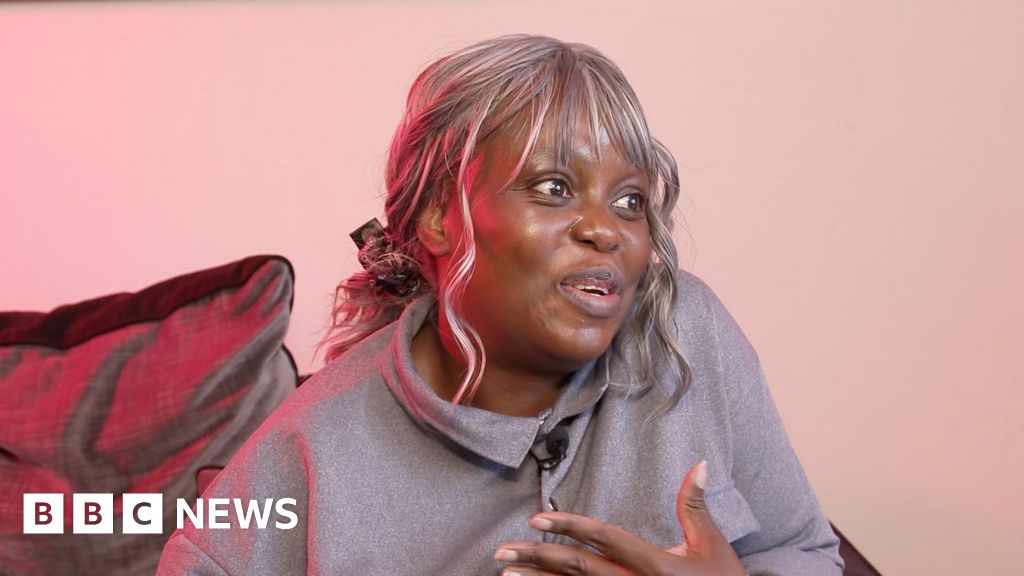
Amanda James-Hammett experienced a stroke at the age of 37 while she was at home, doing the dishes. She described the moment vividly, recalling a popping sensation in her head, followed by an abnormal, unsuccessful attempt to scream. Within just a few hours, Amanda found herself unable to speak or move her right arm, setting the stage for a challenging journey of relearning everyday skills such as talking and reading.
Now six years later, Amanda has taken part in an innovative NHS trial exploring a new at-home technology designed to assist stroke survivors in regaining movement in their hands and arms. “It’s about freedom,” she reflects. “It’s given me my freedom back.” This trial, referred to as the Triceps trial, is the largest of its kind to study brain stimulation in stroke recovery and involves around 270 participants across 19 NHS sites in the UK. The program is led by Sheffield Teaching Hospitals NHS Foundation Trust in collaboration with the University of Sheffield.
Stroke is caused by an interruption in the brain’s blood supply, resulting in the affected brain areas ceasing to function properly. Dr Sheharyar Baig, a neurologist at Sheffield’s Royal Hallamshire Hospital, explains that symptoms can include facial weakness, difficulty in lifting one arm, and speech problems such as slurred or confused speech. With stroke being the leading cause of adult-onset disability in the UK, it affects approximately 100,000 people a year and leaves over a million others living with its long-term consequences. Among these survivors, about half suffer from ongoing arm weakness, impacting their ability to perform routine activities like dressing, cooking, or working, which also increases pressure on health and social care systems.
The device under trial is a small, non-invasive electrical stimulator that fits in the ear to stimulate the vagus nerve while patients perform rehabilitation exercises. Unlike earlier therapies requiring surgical implantation, this device can be comfortably worn at home. Dr Baig notes that pulses delivered by the device are set to comfortable levels, aiming to enhance the brain’s responsiveness to rehabilitation. Amanda used the device for up to an hour each day during her 12-week rehabilitation, combining it with everyday tasks. Initially skeptical, she soon began noticing improvements in her hand function. One significant milestone was her ability to return to sewing, a hobby she had lost after her stroke. Amanda describes feeling like “a new woman” now able to perform numerous tasks independently, such as putting on socks and shoes without needing assistance.
More than 200 people have participated in the trial so far, with early signs showing promise, although the distinction between those receiving actual stimulation versus placebo is not yet revealed. Dr Baig shares encouraging examples of recovery, such as patients who could not previously hold a cup steadily now managing to do so and others achieving personal records in running while noting improved arm function. The Stroke Association, which partially funds the research, is carefully monitoring the trial through brain imaging and blood tests to understand why some patients respond better than others. Maeva May, the charity’s associate director of systems engagement, highlights their goal to identify which patients benefit most and the underlying reasons. If successful, Dr Baig says the technology could be widely adopted due to its affordability and ease of integration into existing rehabilitation services. For Amanda, the positive impact is already evident: “It’s about being independent again. Those small things make a big difference.”
Read the full article from The BBC here: Read More
Auto Amazon Links: No products found. Blocked by captcha.