Auto Amazon Links: No products found. Blocked by captcha.
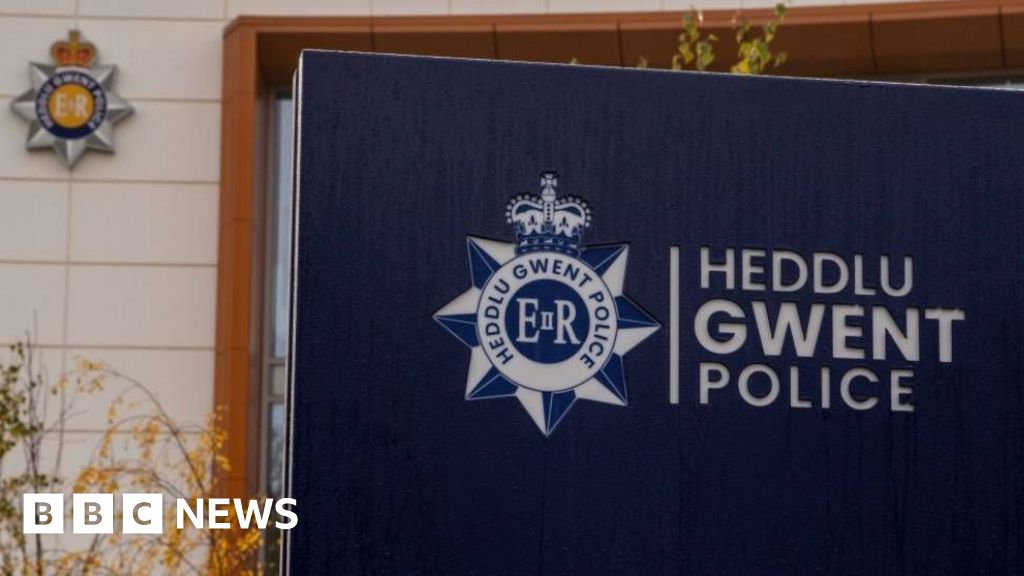
A police officer from Gwent Police has been awarded over £40,000 in compensation after an employment tribunal ruled that he was subjected to discrimination, harassment, and unfavorable treatment by the force following his HIV diagnosis. The officer, who remains unnamed, reported feeling like a “walking disease” due to the force’s handling of his condition. After receiving the diagnosis, he was placed on restricted duties and subjected to intrusive questioning about his sexual life, a situation the tribunal found to be unjust and degrading.
According to the tribunal’s findings, the officer had just completed a classroom-based training course in November 2024 when he was informed of his HIV-positive status. Following this, he visited the force’s occupational health department, where a nurse advised him to take time off to process the news, describing him as “so distressed” that she was concerned about his ability to drive high-performance police vehicles safely. Nonetheless, an NHS specialist later confirmed that the officer did not need to be removed from frontline duties and could continue his role normally.
Despite this professional medical advice, another member of the force’s occupational health team placed the officer on restricted duties, pending knowledge of his viral load and CD4 count. The officer expressed confusion over this decision, especially since a specialist assured him his HIV would soon be “non-detectable and non-transmittable,” and the NHS was not concerned about his health status. During further meetings with the health team, he was subjected to highly personal questions about whether he had a sexual partner, if the partner knew about his diagnosis, and about his use of protection — inquiries the officer described as “wholly inappropriate” and unrelated to his capacity to serve as a police officer.
The tribunal judge criticized the health team’s inquiry, describing it as “highly intrusive” and indicative of the stigma surrounding HIV. While the nurse claimed the questions stemmed from a duty of care, aiming to protect both the officer and the public, the judge highlighted that the approach had the opposite effect by humiliating the claimant and violating his dignity. The officer reported feeling isolated by the force, which he said “did not know what to do” and reacted with fear by restricting his duties, reinforcing negative stereotypes about HIV. The tribunal ultimately rejected the force’s assertion that the treatment was minor due to it lasting only a few days, instead recognizing that the imposed restrictions essentially excluded the officer from his role and separated him from his colleagues.
In response to the ruling, Deputy Chief Constable Nicky Brain acknowledged the force’s failings and the profound impact the experience had on the officer. She emphasized the importance the police place on staff health and wellbeing and confirmed that the force is taking steps to improve. These include introducing HIV awareness training for all officers and staff, alongside additional education for occupational health personnel, aiming to foster a more inclusive environment in the future. The officer was awarded a total of £43,127, which included compensation for injury to feelings and accrued interest
Read the full article from The BBC here: Read More
Auto Amazon Links: No products found. Blocked by captcha.