Auto Amazon Links: No products found. Blocked by captcha.
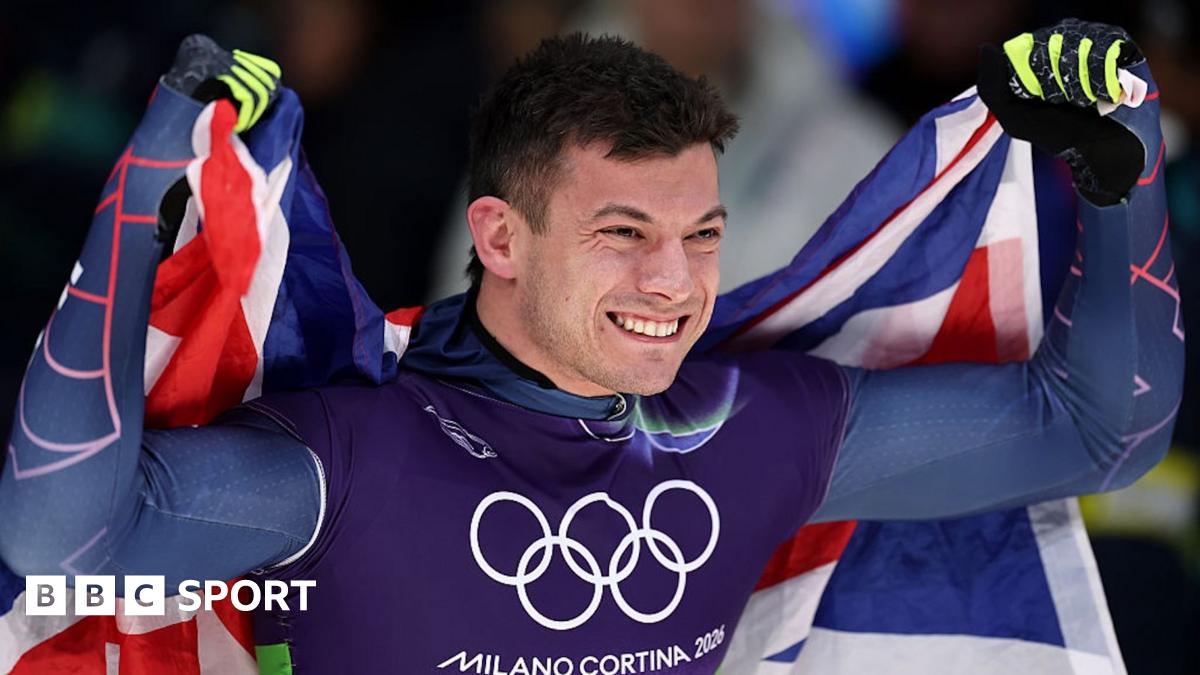
Sixteen days ago, the idea that Team GB would secure three gold medals at the Winter Olympics might have seemed far-fetched. Yet, this remarkable achievement has now become reality. As the Games draw to a close in Verona, Team GB flagbearers Matt Weston and Charlotte Bankes will lead the team during the closing ceremony, marking the end of what has been a landmark event for British winter sports.
By earning five medals in total, Great Britain has matched its best-ever Winter Olympics haul from 2014 and 2018. This milestone was underscored when snowboarders Charlotte Bankes and Huw Nightingale captured gold in the mixed team snowboard cross, a historic victory that broke new ground for the nation. Previously, Great Britain had never achieved more than one gold medal at a single Winter Games, but that record has now been surpassed. Matt Weston had set the tone by claiming the men’s skeleton title, a triumph that was widely anticipated but still came under intense pressure. The so-called “Super Sunday” saw further glory as Bankes and Nightingale’s snow victory was quickly followed by Weston and Tabby Stoecker winning gold in the mixed team event at the Cortina Sliding Centre.
In the days following, Team GB’s men’s curling squad, led by Bruce Mouat, clinched a second consecutive Olympic silver medal. Meanwhile, freestyle skier Zoe Atkin secured a bronze in the halfpipe event, rounding off the medal tally in impressive style. Reflecting on the team’s performance, Team GB chef de mission Eve Muirhead highlighted the significance of these Games. She described the event as “amazing” and “history-making,” emphasizing that it demonstrated the growing potential of Great Britain as “a growing winter nation,” with an eye toward the upcoming French Alps Winter Olympics in four years.
Despite the medal successes, there were also several close calls. Team GB experienced five fourth-place finishes, some heartbreakingly narrow. Freestyle skier Kirsty Muir missed out on bronze by just 0.41 points in the slopestyle, affected by a slight stumble on her final landing. She also placed fourth in the big air event. Snowboarder Mia Brookes delivered a breathtaking backside 1620 trick with four-and-a-half rotations — a first in competition — but over-rotated just before landing, costing her a medal. Vicky Gosling, chief executive of GB Snowsport, remarked, “Fourths make champions,” highlighting the impressive journeys of athletes like Muir and Brookes who began on dry slopes and have now risen to the highest levels. Beyond podium finishes, Team GB set several personal and national bests across disciplines, including Andrew Musgrave and James Clugnet’s fifth place in the team sprint cross-country skiing—Britain’s best-ever Olympic finish in that sport.
As the team prepares to return home, attention will turn to post-Games assessments conducted by both the British Olympic Association and individual sports bodies. Investment from UK Sport in winter sports reached £25.5 million for the Milan-Cortina cycle, an increase from the £22.2 million allocated for Beijing 2022. Funding for the next cycle leading to the 2030 Games is expected to be announced this summer, though provisional figures have been provided for planning. UK Sport evaluates support not solely on medal counts but also on potential and public impact. Kate Baker, UK Sport’s director of performance, praised the athletes for exceeding expectations and spoke about ongoing preparations, noting that the organization has been building toward future success for years. The emphasis remains on nurturing emerging talent to ensure athletes perform at their peak when it counts.
Although funding levels are not continuously expanding, sports organizations are encouraged to collaborate and pool resources to maximize outcomes. Vicky Gosling noted that while GB Snowsport received £7.3 million from UK Sport for the 2026 programme, additional commercial revenue was necessary. She asserted confidence in the existing talent and capability, noting that the world has witnessed their potential. Gosling described these Games as a starting point rather than a pinnacle, with many young athletes narrowly missing medals poised for future opportunities. Looking ahead to 2030, she expressed optimism about converting near misses into gold medals, stating, “The world’s our oyster.”
Read the full article from The BBC here: Read More
Auto Amazon Links: No products found. Blocked by captcha.