Auto Amazon Links: No products found. Blocked by captcha.
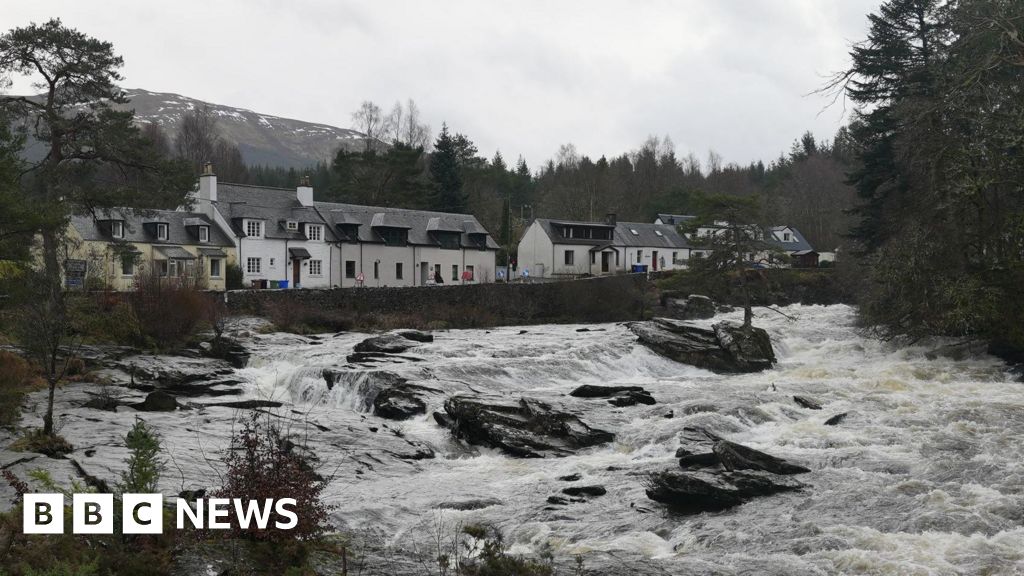
A diesel leak that occurred in the River Dochart and subsequently affected the River Tay in Perthshire is reportedly diminishing, according to the Scottish Environment Protection Agency (Sepa). Following a recent inspection, Sepa confirmed that the eastern section of Loch Tay appeared clear, with no visible impact detected along the stretch of the River Tay from Kenmore to Aberfeldy.
Despite this progress, containment efforts remain in place, and residents of the village of Killin have been warned that their water supply remains unsafe for consumption. The contamination was first identified on Friday, when locals noticed a strong solvent taste in the water as well as an unusual smell in the surrounding air. Scottish Water has been working tirelessly, deploying teams around the clock to flush the system, but officials caution that restoring normal water quality will take several days.
Complicating matters, there have been reports of fraudulent individuals posing as plumbers and attempting to approach residents. Local MSP Evelyn Tweed addressed this issue, stating, “We are working closely with the police to ensure customers are aware of this.” Scottish Water has clarified that it has engaged only one plumbing service—Speedy Plumbers—to assist affected customers.
In response to the contamination, Scottish Water’s water operations general manager John Griffen shared that more than 100 staff members are actively advising local households and businesses on how to cope. “Our teams are flushing the network using tankers and carrying out continuous sampling and testing at our dedicated laboratories to closely monitor and analyze water quality,” Griffen explained. He emphasized that all actions are driven by laboratory results, assuring that officials will only declare the water safe once they are confident that there is no risk to consumers.
Residents have been urged to restrict tap water use strictly to flushing toilets and avoid drinking, cooking, washing, brushing teeth, feeding pets, or using appliances connected to the mains water supply, such as coffee or ice machines. Importantly, boiling the contaminated water does not make it safe to use. For many in the community, the disruption has been challenging. Local mother Stacey Anderton described difficulties managing daily tasks for her children, especially her one-year-old son Rory, saying, “It’s really hard, trying to clean the everyday stuff that we use. Especially when Rory needs cleaning—there’s only a certain amount wet wipes will do.”
The spill has also impacted businesses that rely heavily on safe water. Mugurel Dobre from the River Inn restaurant and bar, which has temporarily closed, explained the necessity of water for cooking and cleaning. He said, “There is a good community here so we have water bottles for anyone who needs it. We drove to Glasgow to pick up 56 crates of water. We need to help each other out.” Meanwhile, outdoor operator Rob Jamieson, who runs Loch Tay Fish n Trips, has suspended bookings for fishing and wildlife excursions until the full impact of the contamination is understood. “It’s devastating,” Jamieson remarked. “But it’s not just about me, it’s about the place and the rest of the people in the village. It’s not good.”
Sepa’s national duty manager Wendy Thornton affirmed that containment methods, including booms and absorbent materials, have been placed near the spill’s origin. However, she noted, “some oil may bypass the containment and there is still some oil present in upstream watercourses. We expect pockets of oil may continue to get washed downstream for some time.” Sepa remains engaged in ongoing monitoring and collaboration with local authorities and Scottish Water to manage potential consequences, emphasizing that any further impact is most likely confined to smaller streams near the spill location.
Perth and Kinross Council has reported no sightings of fuel sheen in the River Tay or Loch Tay since Saturday afternoon but will continue monitoring efforts for the foreseeable future. Residents who observe or detect fuel in either the river or the loch are encouraged to report their findings to Sepa. Meanwhile, there is no concern regarding the public drinking water in the Perth and Kinross area, as Killin—the affected village—falls under the jurisdiction of Stirling Council
Read the full article from The BBC here: Read More
Auto Amazon Links: No products found. Blocked by captcha.