Auto Amazon Links: No products found. Blocked by captcha.
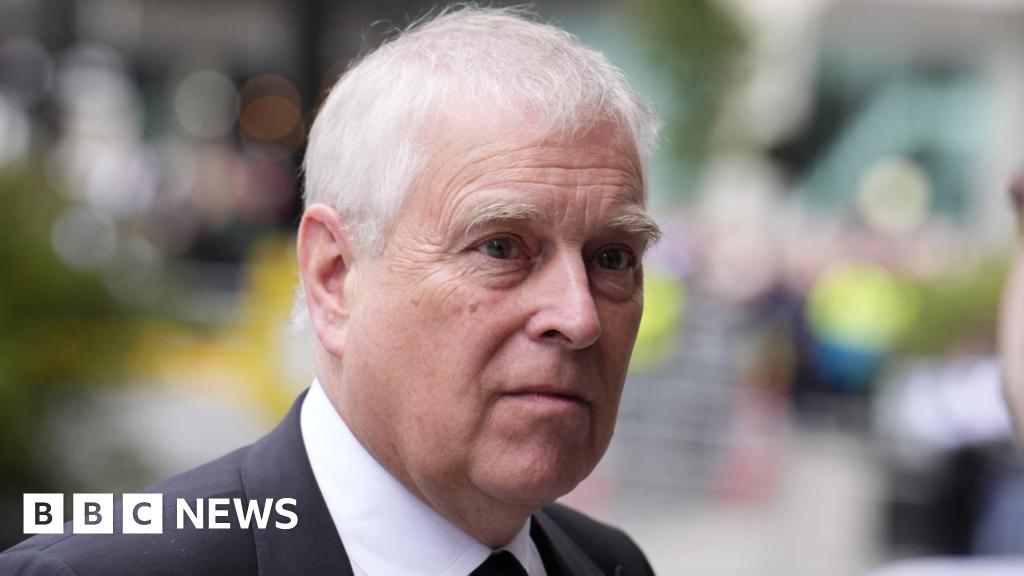
In an unprecedented parliamentary debate, Members of Parliament openly criticised a member of the Royal Family, marking a significant departure from established convention. The discussion centered on Andrew Mountbatten-Windsor, with MPs describing him in harsh terms, calling him “a rude, arrogant, entitled man who could not distinguish between the public interest, which he said he served, and his own private interest.” Such direct and public denunciations of royalty were a rare spectacle within the halls of Parliament.
The debate, initiated by the Liberal Democrats, sought the release of documents concerning Andrew’s 2001 appointment as the UK trade envoy. MPs expressed deep concern about the oversight of his role, which spanned a decade, especially in light of allegations that he shared sensitive information with convicted sex offender Jeffrey Epstein. Many MPs spoke about their own negative encounters with Andrew, highlighting the pressing need for accountability and transparency in public office. However, Andrew Mountbatten-Windsor has declined to comment on new allegations that surfaced following the release of US documents related to Epstein, though he has consistently denied any wrongdoing in connection with the financier.
For Buckingham Palace, the debate presented an uncomfortable moment. While the Palace has maintained a firm stance of non-involvement in ongoing investigations, emphasizing support for the police inquiry and cautioning against statements that might interfere with legal processes, the event itself signals a shift in norms. Traditionally, parliamentary procedure, according to *Erskine May*—a long-standing guide published since 1844—advises MPs against putting forward questions that cast reflections on the sovereign or Royal Family. This guidance, though not an outright prohibition, has historically limited parliamentary discussion of royals and been upheld more by convention than formal rule.
This parliamentary session may well be seen as a turning point, reflecting growing public demand for transparency regarding Andrew’s role and conduct. It has tested the boundaries of longstanding customs, with MPs acknowledging the fast-evolving public mood. The debate, while constrained by the ongoing police investigation, brought to light issues that had long remained cloaked in silence. Liberal Democrat leader Ed Davey, who spearheaded the debate, described the association between Jeffrey Epstein and parts of the British establishment as a “stain” on the UK, expressing hope that the debate would help “clean away that stain with the disinfectant of transparency.
Read the full article from The BBC here: Read More
Auto Amazon Links: No products found. Blocked by captcha.