Auto Amazon Links: No products found. Blocked by captcha.
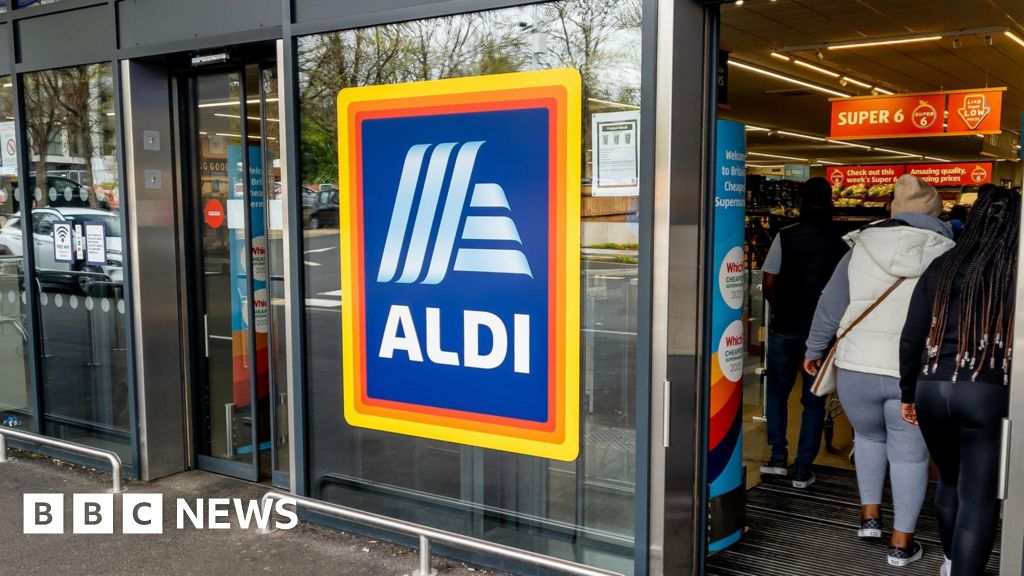
Aldi has revealed that its shop floor employees will receive a second wage increase within this year as the supermarket works to strengthen its position in the UK market. From April, the hourly pay for store assistants will rise to £13.50, following an earlier scheduled pay rise set to come into effect in March. In London, employees will earn a higher rate of £14.88 per hour, with both rates designed to increase further based on the length of service.
This announcement means that Aldi will be paying what it describes as the highest hourly wages for entry-level supermarket staff, surpassing even its budget rival Lidl. The wage hike is set to benefit around 28,000 workers across Aldi stores. Other major supermarket chains such as Lidl GB, Waitrose, and Sainsbury’s have also recently declared pay increases that exceed inflation, contributing to a competitive market for retail employees.
To put these figures into perspective, the legal minimum wage in the UK is due to rise to £12.71 an hour from April 2026, but many employers voluntarily pay above that level in line with the Real Living Wage set by the Living Wage Foundation, which currently stands at £13.45. For comparison, John Lewis shop and Waitrose staff will see their hourly pay rise to £13.25 nationwide, with London rates at £14.80. Similarly, Sainsbury’s announced pay increases to £13.23 outside London and £14.54 in the capital. Before Aldi’s latest wage update, Lidl’s pay scale—£13.45 nationally and £14.80 in London—was the highest outside London among supermarkets.
Aldi also highlights that it is the only significant supermarket chain to provide paid breaks for all staff members. Giles Hurley, Aldi UK and Ireland’s chief executive, emphasized the importance of their workforce: “Every single member of Team Aldi is fundamental to our success and deserve nothing less.” He added, “Our colleagues work incredibly hard to deliver exceptional value for our customers, and we’re rewarding that dedication with the highest pay in the sector.” Following significant rises in grocery costs—exacerbated by energy price spikes after the conflict in Ukraine—Aldi and Lidl’s own-brand products now represent more than half of shoppers’ purchases by value
Read the full article from The BBC here: Read More
Auto Amazon Links: No products found. Blocked by captcha.