Auto Amazon Links: No products found. Blocked by captcha.
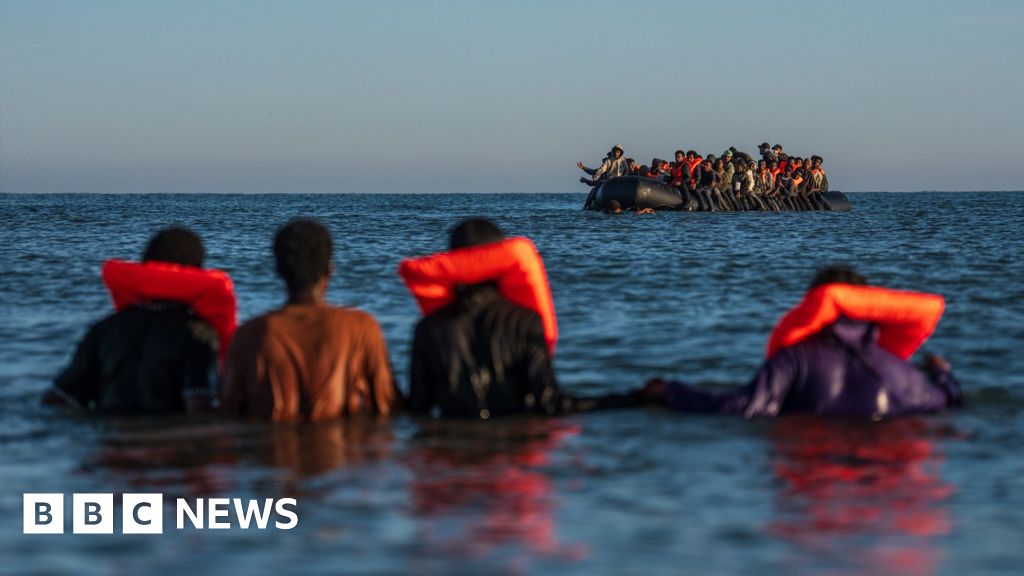
New Home Office data reveals a 4% decline in asylum applications in the UK during 2025, even though arrivals via small boats across the English Channel rose by 13%. Over the course of the year ending in December, a total of 100,625 individuals sought asylum, with 41% of these claims coming from those who entered the country aboard small boats. While the number of such crossings reached 41,262, this remains below the peak of 45,774 recorded in 2022.
Other routes into the UK saw a decrease in claims, particularly among those arriving via illicit methods such as lorries, shipping containers, or presenting themselves at entry points without proper documents—a group that declined by 20% to 11,190 people. Interestingly, a significant portion of asylum seekers are not recent arrivals by boat but consist of people who had previously entered the UK under valid visas for work, study, or visitation, making up roughly 39,000 claims in 2025, a figure that has stabilized after recent increases since late 2021.
The data also highlights the principal countries of origin for those crossing by small boat, with Eritrea accounting for 19%, followed by Afghanistan at 12%, Iran 11%, Sudan 11%, and Somalia 9%. The warmer weather in recent days has led to a surge in Channel crossing attempts, with 74 people arriving on a single Tuesday and 605 over a recent Wednesday, as witnessed in Ramsgate where Border Force and RNLI teams rescued numerous migrants, including many women and children.
Accommodation patterns for asylum seekers are changing as well. The number of people housed in hotels dropped by 19% to 30,657, reflecting efforts to transition migrants into longer-term housing like houses in multiple occupation (HMOs). More than 72,000 asylum seekers have been moved into these types of accommodations within the last year. The government has reiterated its commitment to closing all asylum hotels by 2029, aiming to replace them with larger facilities such as military sites.
There was a 3% rise in sponsored study visas, reaching 426,471, although this is still 35% below the peak in mid-2023. The main nationalities in this category were Indian, Chinese, and Pakistani students. Meanwhile, the number of dependent visas issued to students’ family members fell by 10% to 19,647, following recent policy tightening on dependents. Work visa grants likewise declined sharply by nearly 30% to 261,112 for applicants and dependents combined, compared with the previous year.
The backlog of pending asylum decisions decreased to 64,426—the lowest since 2020. Out of roughly 108,000 applications processed, 42% were given refugee or protection status, and 58% were refused, although applicants can appeal refusals. Enforced removals rose by 21% to 9,914 in the year ending December 2025. Contributing factors include agreements with other countries, programs targeting foreign offenders, and efforts to return those who arrived by small boats. Over recent years, Albanian nationals have been the largest group subject to enforced returns
Read the full article from The BBC here: Read More
Auto Amazon Links: No products found. Blocked by captcha.