Auto Amazon Links: No products found. Blocked by captcha.
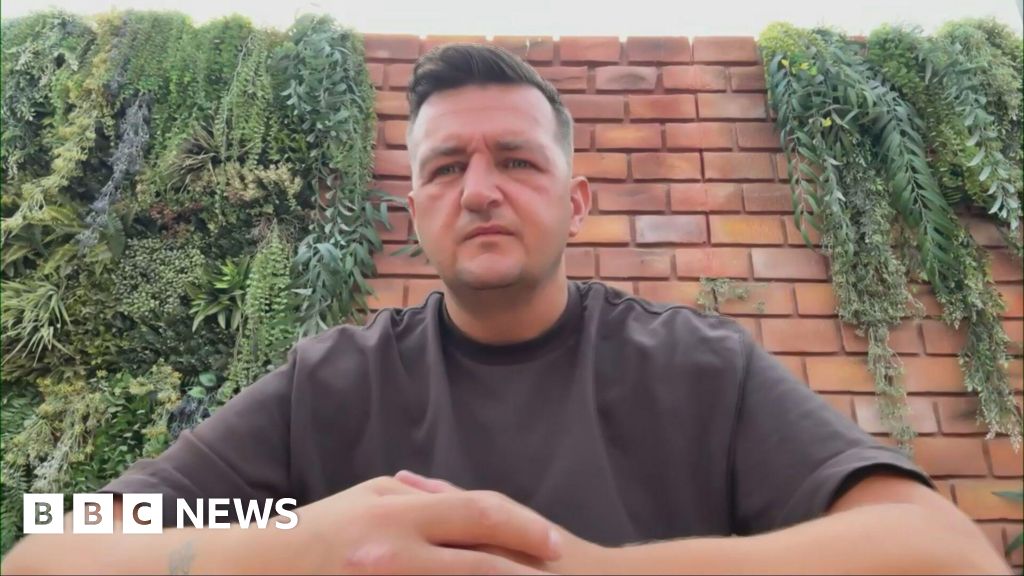
A Scottish resident of Dubai has shared his experience amid rising tensions in the Middle East after missiles from Iran were intercepted in the UAE. Gary Goldie described how his children were startled by the explosions, asking, “what the bangs were,” while emphasizing that daily life continued more or less as usual despite the worrying circumstances. He acknowledged the retaliation strikes by Tehran against Gulf countries, which followed US and Israeli military actions, as “concerning” but reassured that the situation remained contained.
The UK Foreign Office has urged British nationals in the region to register with the government to receive timely updates about the unfolding events. Political leaders in Scotland have expressed their concern by calling for a reduction in hostilities and encouraging all parties involved to pursue a “peaceful resolution” to the conflict. Several Scottish citizens are reportedly stranded in cities such as Abu Dhabi, Dubai, and Doha—key transit hubs linking the UK with routes to Africa, Asia, and Australasia. Currently, airspace over the UAE and Qatar is closed indefinitely, impacting direct flights to Scottish cities including Edinburgh and Glasgow.
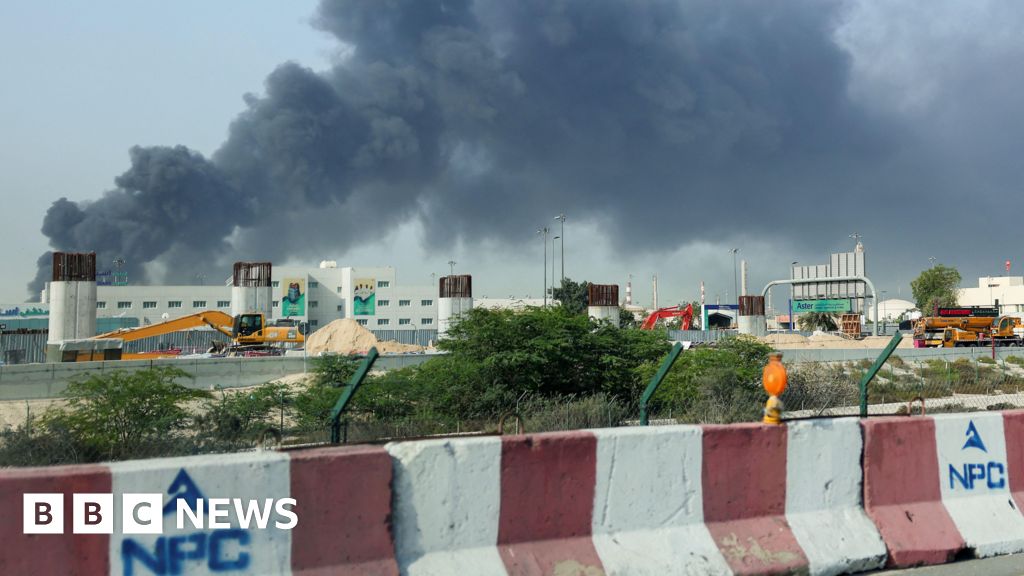
Goldie mentioned receiving numerous calls from worried family members back in Scotland but noted there was “no sense of emergency” locally. Authorities in Dubai have implemented preventive actions, such as sending children home from school to learn remotely. Despite one fatality and 11 injuries caused by falling debris from missile strikes targeting airports in Abu Dhabi and Dubai, Goldie observed that life largely continues as normal with heavy traffic on roads and open malls and hotels. He pointed out that the affected areas are limited to small pockets where debris has fallen, and clarified that the widespread perception of an ongoing warzone is exaggerated.
In related developments, flights departing from and arriving in Middle Eastern countries are suspended until at least Monday, with the Foreign Office advising against travel to Bahrain, Kuwait, Qatar, and the UAE unless absolutely necessary. Simon Calder, a travel correspondent, noted that travelers passing through Qatar and the UAE towards destinations such as Thailand, India, and Australia should be entitled to reach their final stops. He recommended checking travel insurance policies and highlighted air passenger rights, advising passengers to insist airlines find alternative arrangements if needed. Meanwhile, former footballer Graeme Souness is among those stuck at Abu Dhabi’s airport, reporting loud explosions linked to missile defense systems activating, and has taken refuge in a hotel while awaiting the resumption of flights.
Scottish political figures have voiced their worries over the conflict’s escalation. First Minister John Swinney described the situation as “deeply concerning” and urged the US and Israel to clarify how their military actions comply with international law. He also called on Scots stranded in the region to seek consular assistance. Swinney stressed the importance of finding a peaceful solution despite condemning Iran’s regime, saying that avoiding further conflict is “in everybody’s best interest.” Similarly, Scottish Labour leader Anas Sarwar highlighted the escalating violence and rising casualties, especially in Iran, calling for an “urgent de-escalation” to prevent further loss of life
Read the full article from The BBC here: Read More
Auto Amazon Links: No products found. Blocked by captcha.