Auto Amazon Links: No products found. Blocked by captcha.
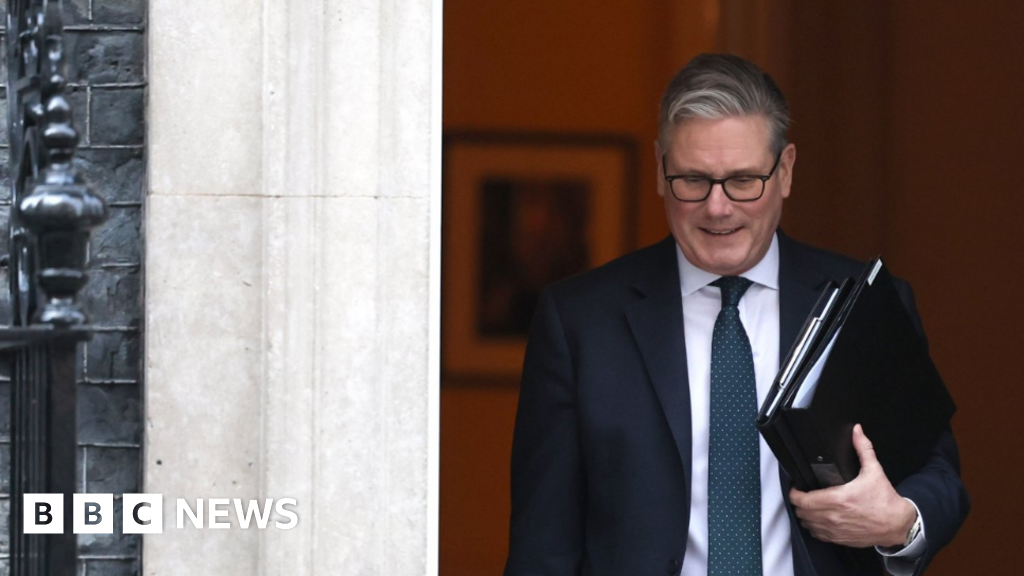
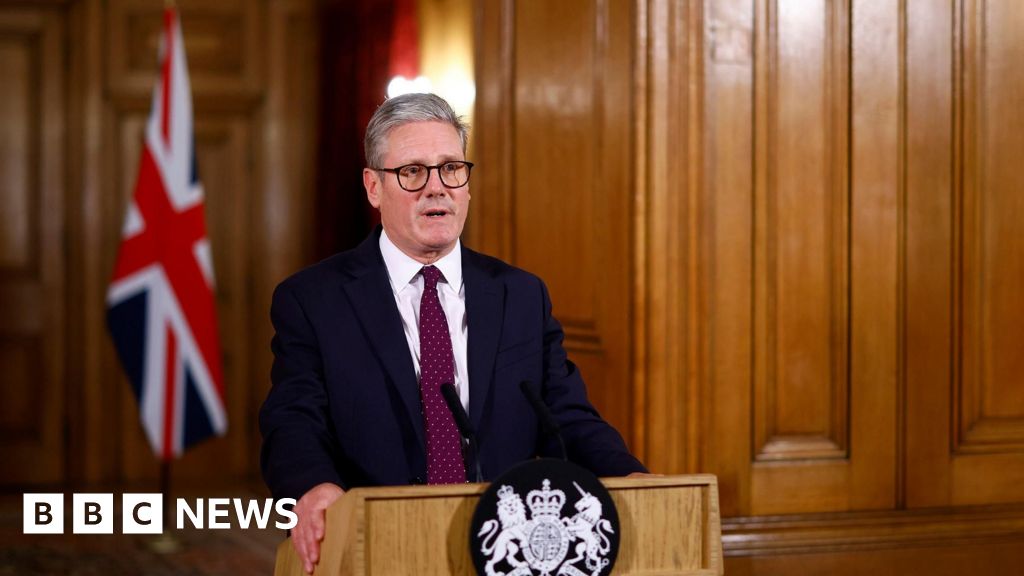
In March 2003, Keir Starmer QC expressed caution about engaging in armed conflict without adherence to international law, writing in The Guardian that such actions are fraught with risk. Nearly 25 years later, as Sir Keir Starmer KC, he finds himself facing a comparable challenge regarding the United States’ military interventions in the Middle East. In a recent address recorded and released by Downing Street, the prime minister highlighted the memory of past errors in Iraq, noting: “We all remember the mistakes of Iraq. And we have learned those lessons.”
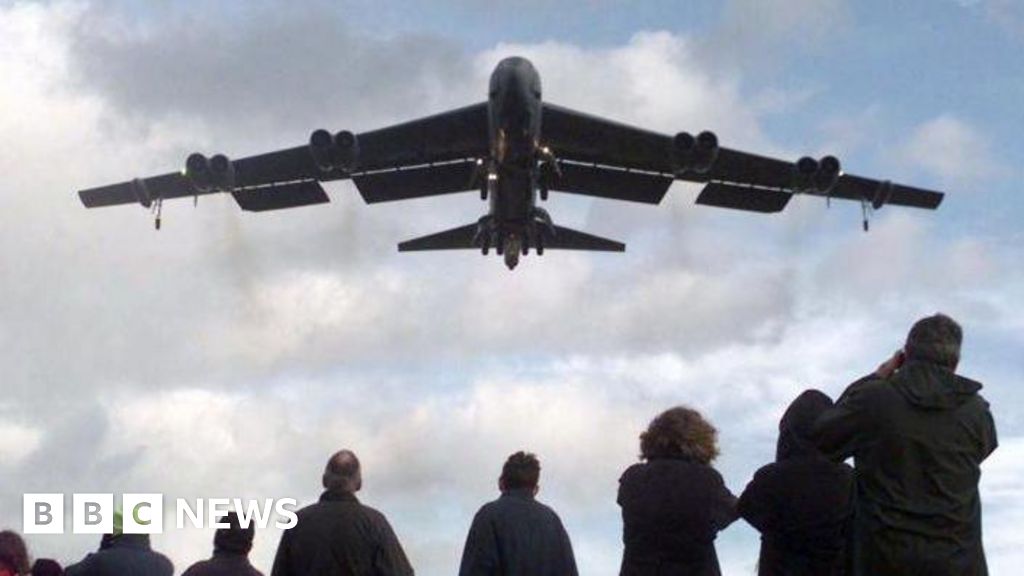
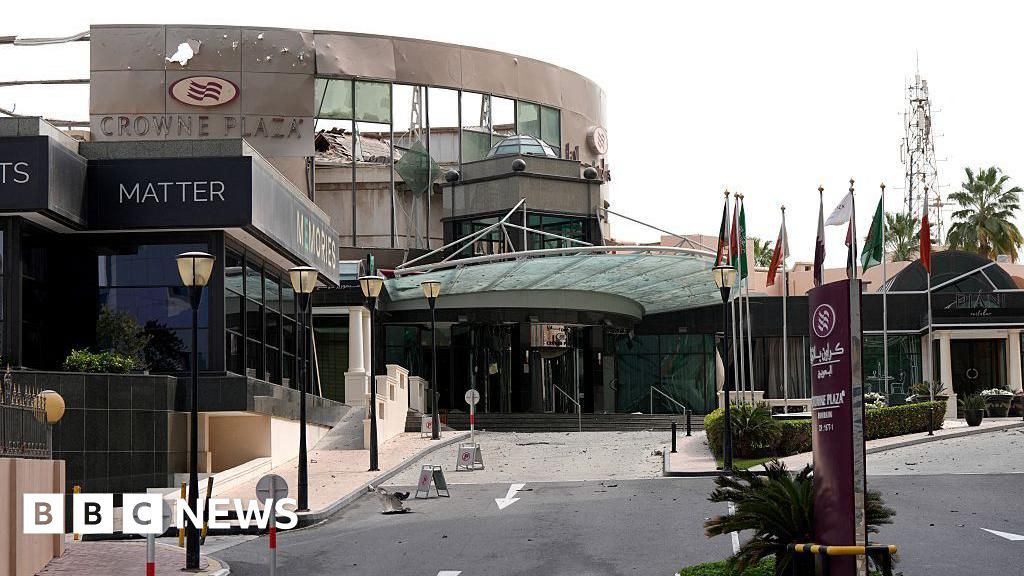
Sir Keir’s speech underscored a distinct British approach that prioritizes national interest, closing with the declaration: “This is the British government, protecting British interests and British lives.” This assertion serves to differentiate the UK’s stance from the broader objectives pursued by the US and Israel, particularly their ambitions of regime change. Despite resisting the initial US request for British bases to be used in broad strikes against Iran, the UK has now altered its position by allowing the use of joint UK-US facilities for targeted strikes. These actions aim specifically to diminish Iran’s ability to launch missiles and drone attacks across the region, including areas with significant British citizen populations.
The decision to permit restricted strikes has sparked debate within the UK Parliament. Some critics, including Greens and Liberal Democrats, argue that any use of British bases to strike Iran risks deeper involvement in a widening conflict. Conversely, Conservative and Reform UK members question why the government is not offering more robust support for military action that might overthrow the Iranian regime, which poses threats both regionally and to British nationals in the UK. For his part, Sir Keir has taken a clear stance against “regime change from the skies,” aligning with critics of the US president’s approach to offensive strikes.
This complex situation demonstrates the divisions within the Labour Party itself, reflecting broader tensions over foreign policy since events escalated on 7 October 2023. The recent Gorton and Denton by-election, won by the Greens, suggests that public opinion on Middle East policy can influence domestic politics. Internationally, Sir Keir coordinates closely with European leaders such as Germany’s Christian Democrat Chancellor Friedrich Merz and France’s centrist President Emmanuel Macron, though nuances remain—Merz recently remarked that “international law classifications will have little effect” on unfolding events. Meanwhile, Sir Keir’s alliances with Australia’s Anthony Albanese and Canada’s Mark Carney, both of whom have supported US action in Iran, add further complexity to his position. Amidst these challenges, concerns continue about the potential consequences of a prolonged conflict, including implications for fuel prices, inflation, defence spending, and the possibility of government-led evacuations if the situation deteriorates further
Read the full article from The BBC here: Read More
Auto Amazon Links: No products found. Blocked by captcha.