Auto Amazon Links: No products found. Blocked by captcha.
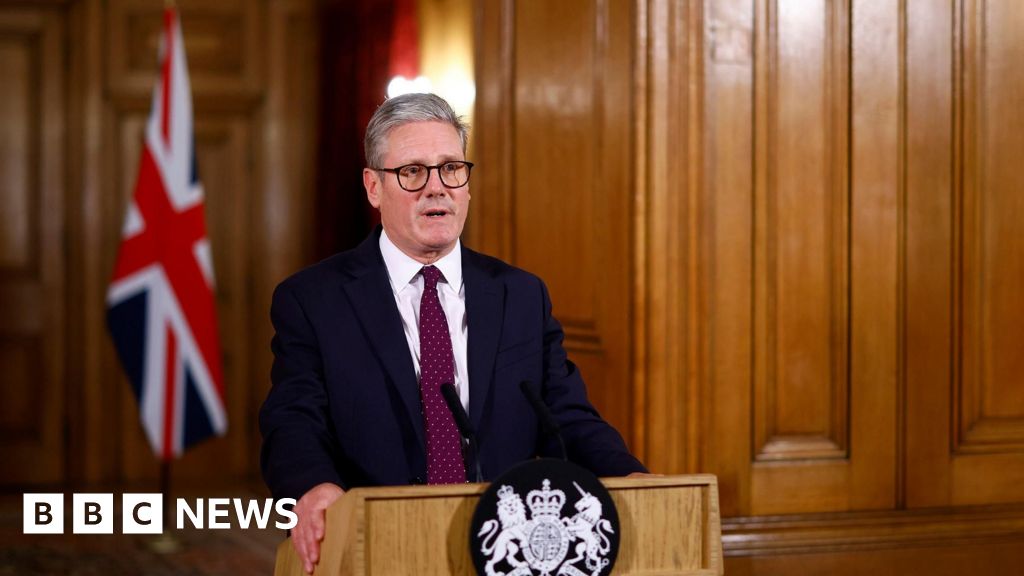
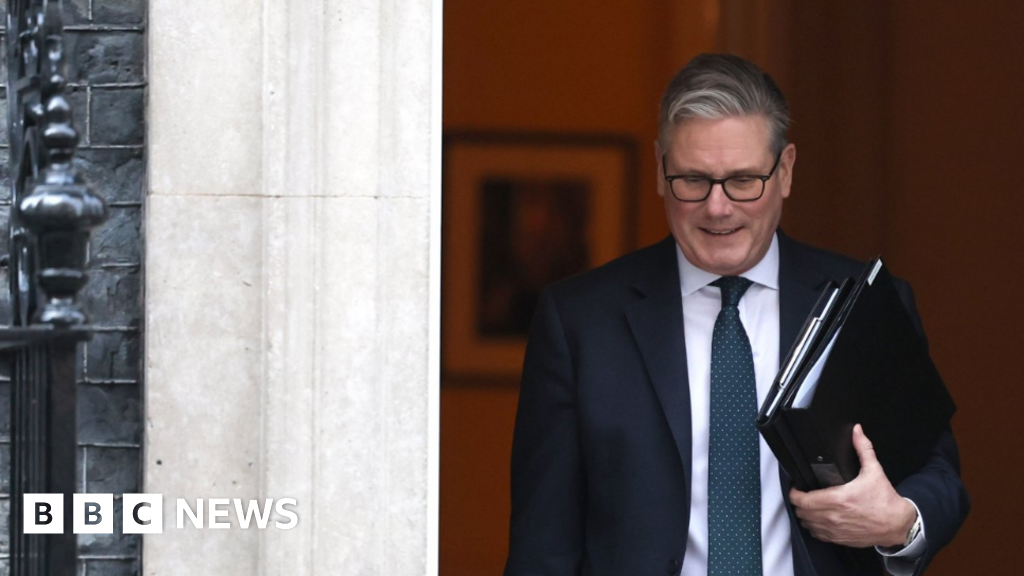
In a recent address to Parliament, Sir Keir Starmer clarified the UK government’s stance concerning the recent US-Israeli strikes on Iran, contrasting his position with that of President Trump. He emphasized that the UK does not endorse regime change enforced through aerial bombardment. Sir Keir defended his earlier choice to withhold permission for the US to use British military bases during the initial wave of attacks, stating that the decision was rooted in the national interest of the United Kingdom.
The Prime Minister explained that although President Trump had voiced disagreement with the UK’s refusal to participate from the outset, it was necessary for Britain to carefully assess the implications based on its own strategic considerations. However, the circumstances evolved when Iran retaliated with missile and drone strikes across the region, actions which Sir Keir labeled “outrageous” and identified as posing a direct threat to British citizens, interests, and allies. This development prompted him to authorize the use of UK bases for defensive strikes targeting Iran’s missile infrastructure.
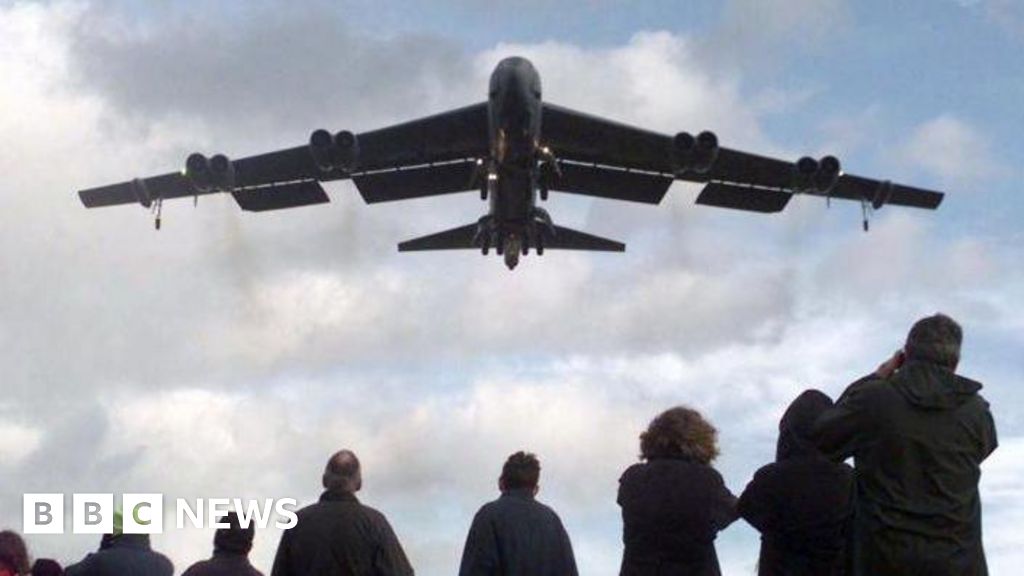
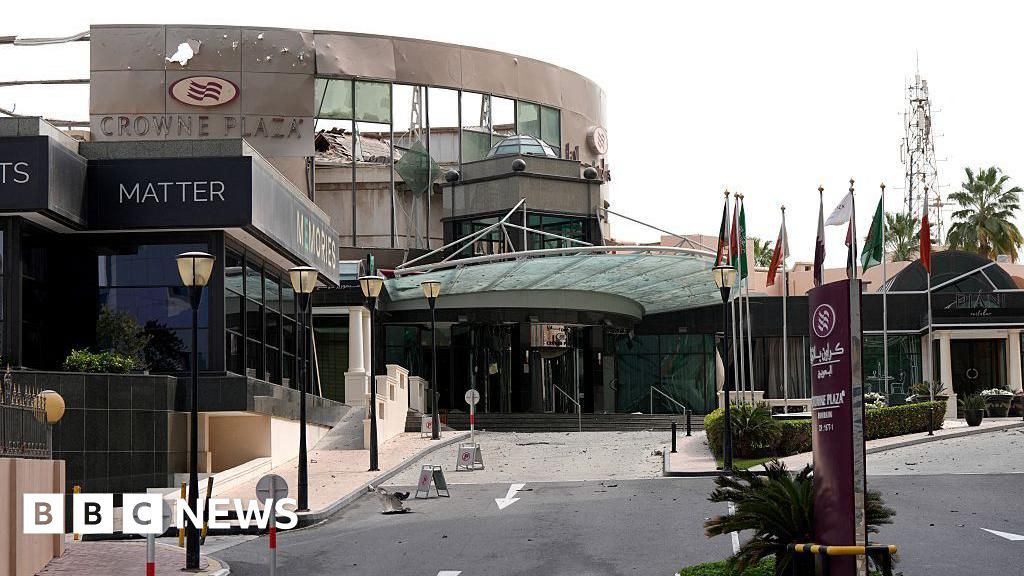
The initial attack by the US and Israel resulted in the killing of Iran’s Supreme Leader Ayatollah Ali Khamenei. In response, Iran launched a series of missile strikes and drone attacks aimed at multiple countries across the Middle East, including Israel, Bahrain, Kuwait, Qatar, the UAE, Saudi Arabia, and maritime traffic in the Strait of Hormuz. Despite US requests to utilize the Diego Garcia base in the Indian Ocean and RAF Fairford in Gloucestershire for the strikes, Sir Keir declined involvement in the offensive operations, citing lessons learned from historical conflicts like Iraq. Nevertheless, he agreed to permit the UK’s participation solely in defensive actions against Iranian missile sites.
Sir Keir was clear in differentiating the UK’s role by telling MPs that British bases would be used strictly for defensive purposes and not for offensive strikes alongside the US and Israel. He stressed the importance of ensuring any military action aligns with a lawful basis and follows a thought-out plan with achievable objectives, lessons he cited as being derived from past experiences. He concluded by reiterating, “This government does not believe in regime change from the skies.”
The Prime Minister’s approach drew criticism from various political figures across the spectrum. Conservative leader Kemi Badenoch reproached him for “dither and delay” and urged full support for the US’s actions against Iran. Reform UK’s Richard Tice echoed similar sentiments, describing Iran as “a permanent threat” to Britain and asserting that the strikes served the interests of the West. On the contrary, opposition voices such as Liberal Democrat leader Sir Ed Davey and Green foreign affairs spokesperson Dr Ellie Chowns condemned the attacks and the UK’s involvement, calling for parliamentary scrutiny and emphasizing concerns about escalating conflict. Scottish First Minister John Swinney also criticized the decision to allow use of UK bases, warning of increased risk. Meanwhile, the UK government has urged British nationals in the Middle East to register with official channels, with over 100,000 having done so, while preparing contingency plans should commercial flights in the region be disrupted
Read the full article from The BBC here: Read More
Auto Amazon Links: No products found. Blocked by captcha.