Auto Amazon Links: No products found. Blocked by captcha.
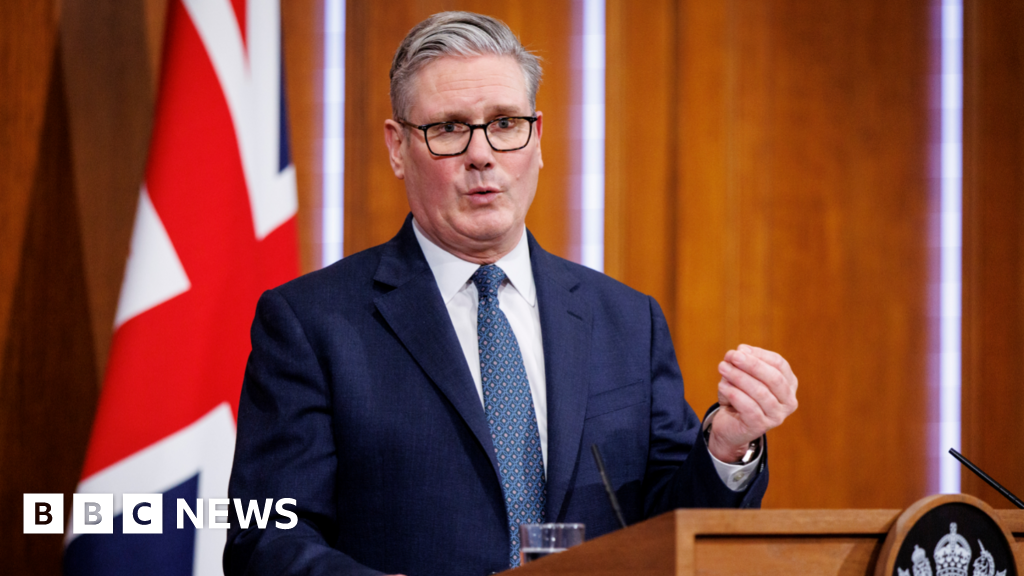
During a recent press conference at Downing Street, Sir Keir Starmer addressed the nation’s emotional state amid ongoing international tensions, highlighting the widespread worries felt by the public. He identified three main areas of concern: the safety of family and friends, the consequences for the British economy, and the risk of the conflict escalating further. The prime minister’s remarks were largely aimed at offering reassurance to citizens, although he conceded there were limits to what comfort could be provided under the circumstances.
Focusing on Britons currently in the Middle East, Starmer provided updates on repatriation efforts. He explained that a previously delayed evacuation flight from Oman had finally taken off and noted that around 4,000 British nationals had already returned home. Despite this progress, these figures represent only a small fraction of the approximately 140,000 British individuals who have informed the government of their presence in the region. The prime minister underscored the scale of the operation, describing it as far larger than the evacuation from Afghanistan in 2021, and warned it would take time to complete. He expressed cautious hope that the conflict might subside enough to avoid the need for a full evacuation.
Turning to economic concerns, Starmer echoed sentiments expressed earlier by Rachel Reeves, suggesting that the UK’s current economic strategy was appropriate even given the uncertainties. Nonetheless, he acknowledged that issues such as energy security were becoming increasingly prominent and implied that questions regarding potential government support for household energy bills could arise if the conflict’s effects deepen. On the subject of escalation, the prime minister cautioned that the situation could persist for some time, signaling that the challenges ahead remain significant.
Throughout his address, Starmer also implicitly defended his administration’s handling of the crisis, emphasizing the UK’s commitment to achieving a negotiated resolution with Iran over its nuclear ambitions. He explained that this stance informed the decision not to participate in the initial military strikes, framing it as a policy-based judgment. This contrasted somewhat with his earlier parliamentary remarks, where he voiced doubts about the strikes’ legality and the presence of a coherent plan. Public opinion suggests that avoiding early military involvement was likely the more popular choice. While ministers currently display confidence in their management of recent difficulties, concerns remain about the potential worsening of economic impacts, the ongoing presence of thousands of Britons abroad, and the risk of the conflict expanding further
Read the full article from The BBC here: Read More
Auto Amazon Links: No products found. Blocked by captcha.