Auto Amazon Links: No products found. Blocked by captcha.
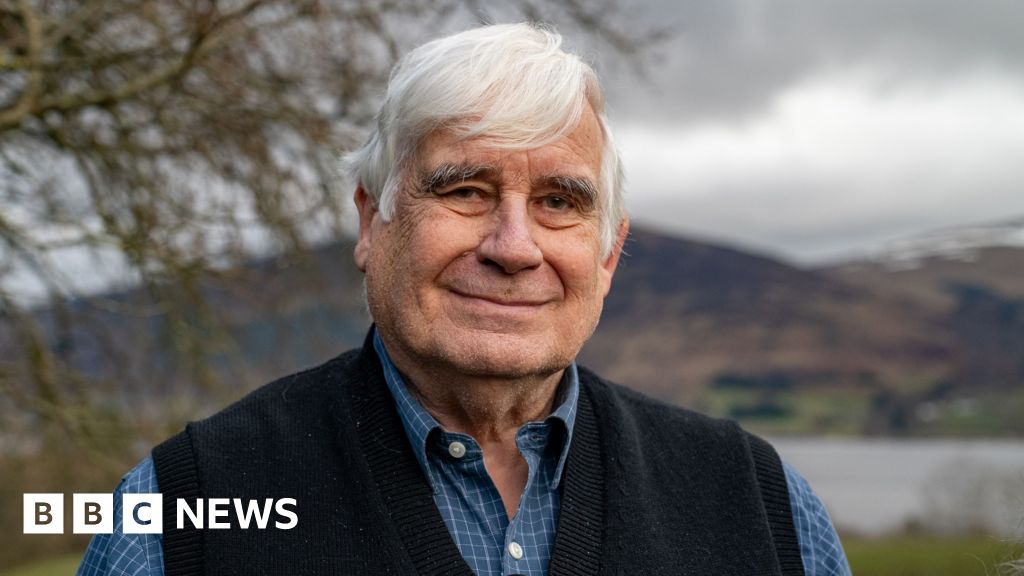
Mick North, whose five-year-old daughter Sophie was one of the victims in the tragic Dunblane primary school shooting, maintains that even after three decades, gun legislation in the UK remains insufficient. On 13 March 1996, Sophie was killed alongside 15 classmates and their teacher, Gwen Mayor, in the central Scotland town of Dunblane. In the years since, North has spoken out about the ongoing need for the government to act decisively and proactively in addressing evolving firearm threats.
North emphasizes that the entirety of firearms legislation should undergo a thorough review, pointing to issues such as 3D-printed guns as examples where legislation has been developed in a fragmented manner. His concerns also extend to modified replica guns and certain firearms with barrels just long enough to skirt the handgun ban. Beyond the types of weapons, North calls for enhanced background checks for those seeking firearms licenses, suggesting that social media activity and input from an applicant’s partner should be taken into account during the vetting process. “The government should be leading, they should be spotting loopholes in the law and plugging them before anything happens,” he told BBC News, stressing the need for vigilance rather than complacency.
Representatives from the British Association for Shooting and Conservation (BASC) marked the anniversary of the Dunblane shooting by honoring the memory of the victims and expressing sympathy for the families affected. BASC asserts that the UK already enforces one of the strictest firearms licensing regimes worldwide, with comprehensive background, medical, and suitability checks accompanied by police oversight. They emphasize that firearms used in criminal activities are predominantly illegal and not owned by certified holders. The association supports existing legislation banning 3D-printed firearms and opposes any major changes to shotgun licensing without clear evidence of a public safety benefit.
Mick North and fellow campaigner Ann Pearston, who co-led the Snowdrop Campaign following Dunblane, have persisted in advocating for gun control from their homes in Perthshire. North recalls founding the Gun Control Network in the aftermath of his loss, driven by a sense of duty to effect change. Pearston reflects on the lasting impact of their efforts, noting that since the 1988 Firearms Amendment Act and the partial handgun ban introduced in 1997, the UK has become “one of the safest countries in the world for gun crime.” Despite past opposition from political figures and some groups within the gun lobby, North and Pearston remain committed to their message that vigilance and ongoing legislative review are critical to preventing future tragedies
Read the full article from The BBC here: Read More
Auto Amazon Links: No products found. Blocked by captcha.