Auto Amazon Links: No products found. Blocked by captcha.
The government is moving forward with its initiative to introduce a digital ID system intended to simplify access to public services via mobile devices. Initially, the plan was to make this digital identification mandatory for all new employees in the UK to verify their right to work. This approach was first highlighted when Sir Keir Starmer announced the scheme in September last year, emphasizing its role in combating illegal employment practices.
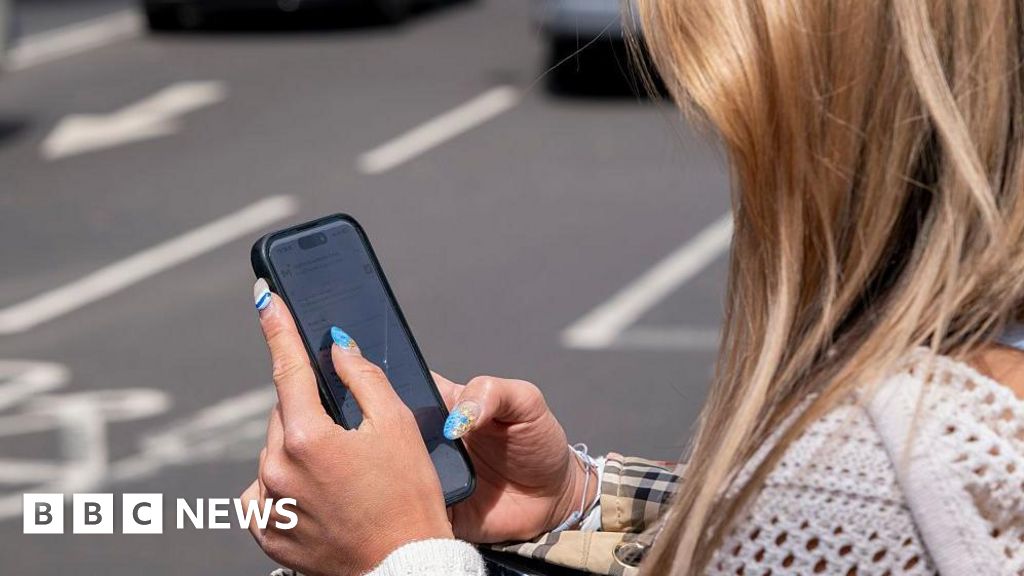
However, the messaging around the digital ID has shifted. Rather than focusing solely on enforcement, the government is now emphasizing the convenience and improved user experience the system will offer consumers. Stored in a smartphone wallet, the digital ID aims to streamline service interactions. As minister Jones explained, many people currently find engaging with public services frustrating due to repeated explanations, complex paperwork, and lengthy calls. The new digital ID system is expected to change that by allowing faster, easier, and more secure identity verification when accessing government services.
While the digital ID will continue to serve as proof for mandatory digital right-to-work checks, which will be compulsory by 2029, employers and employees will also have the option to verify identity using alternative digital documents like passports or eVisas. The government intends to conduct a thorough consultation process to design the policy, featuring a “people’s panel” composed of 100 individuals from diverse backgrounds across the country. This consultation will address concerns about digital inclusion, particularly ensuring that people without smartphones or internet access are not disadvantaged.
Addressing these concerns, Jones announced plans for a “digital inclusion drive” to prevent anyone opting out from being excluded. Elizabeth Anderson, chief executive of the Digital Poverty Alliance, highlighted the risks associated with such systems becoming effectively mandatory as more services rely on them. She pointed out that offline alternatives might become more difficult to access, which is troubling given that approximately 19 million adults in the UK are digitally excluded. Anderson stressed the importance of ensuring that using the digital ID does not become a requirement for essential activities such as employment, financial transactions, or age verification. The government has yet to reveal the cost of implementing the digital ID scheme, which will be built on two platforms: Gov.uk One Login and Gov.uk Wallet. Although over 12 million people have already registered for One Login, the Wallet—planned to store digital identity details including name, birthdate, nationality, residency status, and a photo—has not yet been launched. Users will require a Gov.uk One Login account to access their digital wallet
Read the full article from The BBC here: Read More
Auto Amazon Links: No products found. Blocked by captcha.