Auto Amazon Links: No products found. Blocked by captcha.
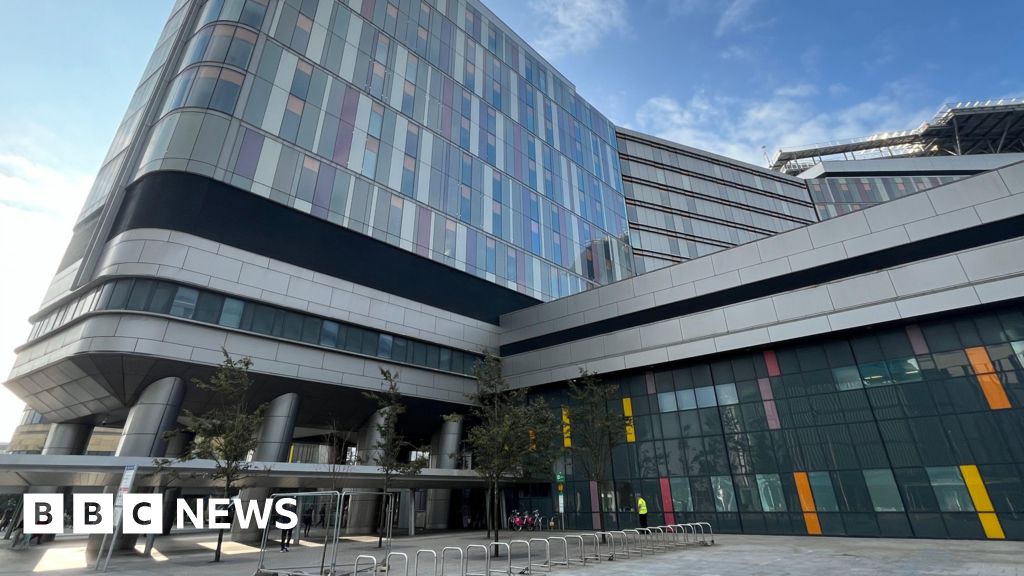
NHS Greater Glasgow and Clyde (NHSGGC) has put forward plans to reconstruct the adult bone marrow transplant unit at Glasgow’s Queen Elizabeth University Hospital (QEUH), Scotland’s largest hospital. This move comes after persistent problems with mould and water leakage have caused significant disruptions within the ward. The health board emphasized that the redevelopment is essential to address these ongoing issues and to improve the service’s reliability.
The QEUH has been under intense scrutiny ever since a national inquiry was launched in 2019, prompted by concerns over unusual infections and the deaths of four patients linked to the hospital environment. This investigation has focused largely on errors made during the planning, design, and construction phases of the hospital campus, which also includes the Royal Hospital for Children. Although water quality in the affected ward is now reportedly satisfactory, ventilation systems still fall short of NHS standards.
Although exemptions regarding these ventilation concerns were granted back in 2017, NHSGGC continues to apply risk mitigation strategies while keeping the ward open. A spokesperson for the health board highlighted that patient safety remains their top priority. Over recent weeks, certain rooms have been closed for planned maintenance and repairs to address the defects. The board insists that a newly built unit is necessary—a facility that would comply with all legal and health guidelines, while also instilling confidence among patients, staff, and the public.
Scottish Health Secretary Neil Gray stated that the government will collaborate closely with NHSGGC as detailed proposals are developed, focusing on safety and quality of care. Gray noted the health board’s proactive steps, including seeking expertise from organizations such as ARHAI (Antimicrobial Resistance & Healthcare Associated Infection Scotland) and NHS Scotland Assure to evaluate options for the unit. Meanwhile, legal proceedings continue against the main contractor, Multiplex, aiming to recover £90 million related to construction shortcomings. NHSGGC has acknowledged that the final building did not meet the specifications originally requested or paid for, citing inadequate supervision and limited in-house expertise as factors in the project’s failures.
Recent disclosures revealed that mould had been detected within one of the closed rooms in the transplant ward, according to Gray’s statement to the Scottish Parliament. Earlier, First Minister John Swinney shared that a red alert had been issued for one of the hospital wards, progressing from an initial amber alert on 26 February to red on 5 March, before reverting back to amber. Swinney suggested that the increase in alerts was largely driven by media attention rather than a heightened safety risk. Additionally, Scotland’s independent death investigation service confirmed in January that it is examining seven fatalities potentially linked to the QEUH environment, underlining the seriousness of the ongoing concerns surrounding the hospital
Read the full article from The BBC here: Read More
Auto Amazon Links: No products found. Blocked by captcha.