Auto Amazon Links: No products found. Blocked by captcha.
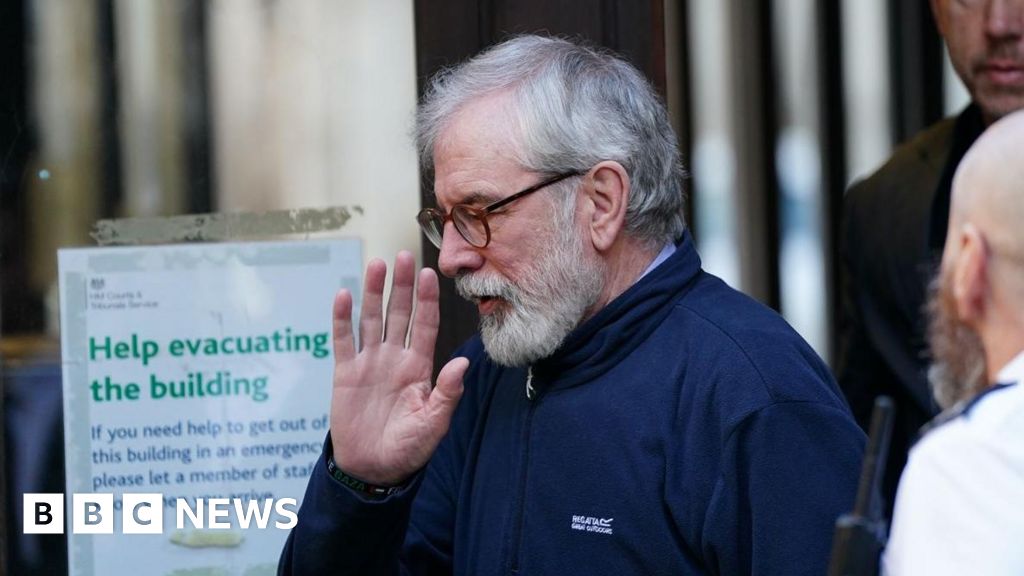
Gerry Adams has expressed that he was deeply shocked by the London Docklands bombing in February 1996, an act that many feared could have derailed the peace negotiations in Northern Ireland at the time. This bombing, carried out by the IRA, effectively ended the ceasefire that had been maintained since 1994. Adams, the former leader of Sinn Féin, provided testimony in a London civil court where he faced allegations linked to this and two other bombings in London and Manchester. Three victims are seeking to hold Adams personally responsible for their injuries, claims which he strongly denies.
During the court proceedings, Adams insisted he never held any rank or official position within the IRA. Reflecting on the impact of the 1996 bombing, Adams remarked that while the event could have marked the collapse of peace talks, resilience allowed the process to continue. He recalled that initially, the government reacted by refusing to meet, but later resumed talks at an official level, albeit gradually. When questioned whether he would have acted to prevent the attack had he known about it, Adams described the scenario as hypothetical, emphasizing that he had no prior knowledge of the bombing.
The court also reviewed a video from a republican rally in August 1995 where Adams was recorded saying, “they haven’t gone away, you know,” referring to the IRA. Adams explained that his statement expressed the frustration and anger among republicans towards the British government’s refusal to engage with Sinn Féin. He clarified, “This was a man in the crowd voicing his anger and I put the reply.” He went on to contrast the period then with the present day, noting that while the IRA was still active at that time, it has since disbanded.
Further testimony included references to a 1993 UK government memo in which the then home secretary described Adams as part of the “nerve centre” of the IRA, a claim Adams firmly rejected. He accused the government of evading its responsibility in the peace process by labeling him as a “terrorist.” Adams expressed regret over the bombings and resulting casualties but cautioned that those providing information against him had motives of their own. Throughout the trial, Adams maintained that he used his influence within republican circles to promote peace and denied ever being a “major player” in the IRA, disputing allegations made by Brendan Hughes, his former prison associate and IRA officer, during a recorded interview. The case remains ongoing, with Adams’ legal team arguing the claims rely on hearsay and are time-barred under existing statutory limitations
Read the full article from The BBC here: Read More
Auto Amazon Links: No products found. Blocked by captcha.