Auto Amazon Links: No products found. Blocked by captcha.
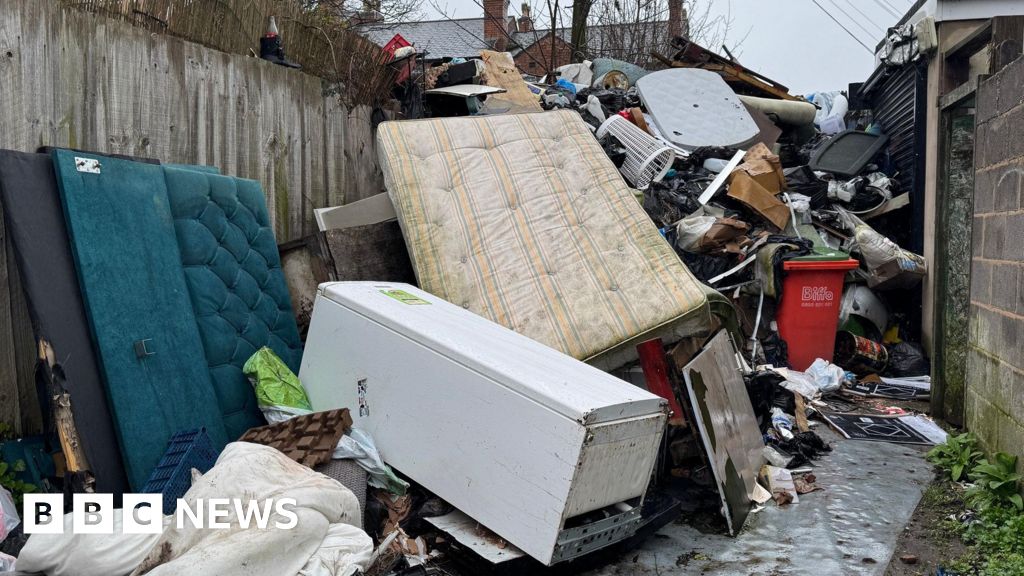
Local authorities across England may soon be granted enhanced powers to tackle the problem of fly tipping, enabling them to require offenders to clear up illegally dumped waste and pay fines without the need to go through court proceedings. This measure forms part of a broader government strategy aimed at addressing the rising issue of waste crime, with a new action plan due to be published shortly.
The Environment Agency (EA), which oversees waste regulation, reported a worrying increase in illegal waste sites, discovering 749 new locations in the 2024-2025 period—double the number from the previous year. Under the proposed measures, individuals caught fly tipping could be required to complete 20 hours of community service focused on cleaning up the waste they have dumped. Additionally, they may face fines of up to £300. The Local Government Association (LGA), however, emphasized that councils must be adequately funded to enforce these new powers effectively.
Environment Secretary Emma Reynolds stated, “If you dump rubbish on our streets, you will be joining a clean-up squad and picking up the bill, not the taxpayer.” She went on to highlight that “the government is handing both the Environment Agency and local authorities the power to boost waste crime enforcement, hand out tougher sentences and tackle illegal dumping faster.” Recent announcements also include penalties such as adding points to the driving licences of those caught fly tipping, and giving the Environment Agency police-like powers to conduct searches without a warrant and arrest suspects.
These initiatives respond to a troubling rise in waste crime nationwide, with reports of so-called “super sites” containing tens of thousands of tonnes of waste. A BBC investigation earlier this year uncovered 11 such sites, including one in Gloucestershire where up to 50 vehicles reportedly dumped rubbish daily at its peak. The new powers would allow councils to issue conditional cautions, enabling faster enforcement processes. Offenders given such a caution would be required to undertake community work and pay fines, though breaches of these cautions could still lead to court action.
While councils currently have powers to impose on-the-spot fines of £150 for littering, these are unlikely to impact large-scale illegal dumping sites that cost millions to clear. Nature Minister Mary Creagh clarified that the new powers primarily target smaller illegal sites, with the Environment Agency responsible for larger sites exceeding 20,000 tonnes. Tim Farron, the Liberal Democrat environment spokesperson, commented, “It is only right that those who litter are made to pick up their waste,” but added a call for targeting professional waste crime gangs with serious enforcement led by the National Crime Agency rather than short-term solutions.
The government intends to consult with councils before enacting these changes, a move cautiously welcomed by the LGA. Arooj Shah, Chair of the LGA’s Neighbourhoods Committee, expressed a willingness to collaborate, stating, “Councils want to work with government to tackle the scourge of fly tipping and protect our communities from environmental crime.” However, she stressed the need for sufficient resources and stronger court penalties, urging a review of sentencing guidelines to reflect the severity of these offenses and their impact on communities.
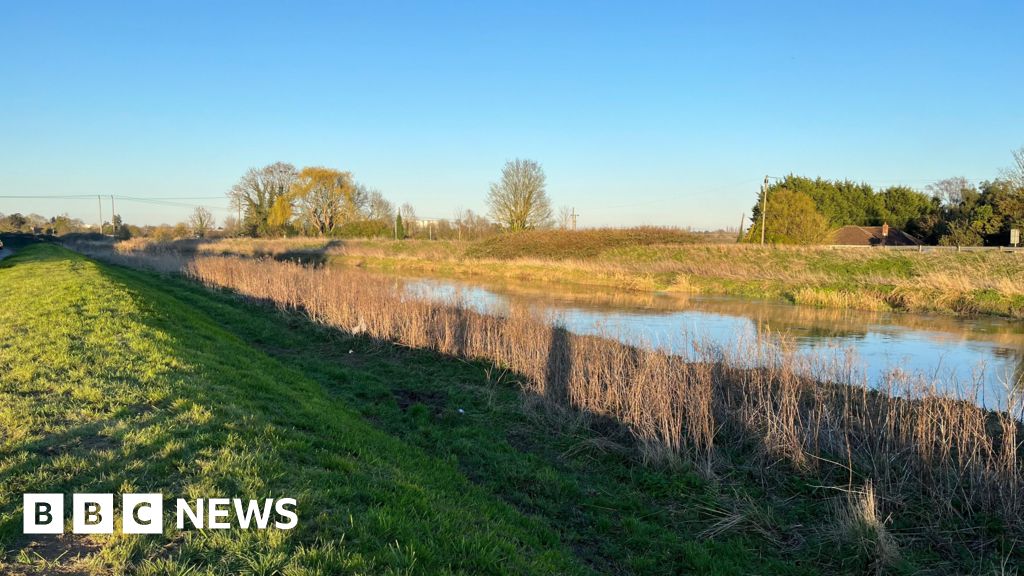
Identification of offenders remains a challenge, particularly as waste criminals often operate across county borders, a concern previously raised by local police and crime commissioners. Many illegal dumping sites are found in rural areas, often on land designated for agriculture. Robyn Munt, vice-president of the National Farmers’ Union, expressed hope that tougher enforcement powers would serve as a deterrent but pointed out that currently, only one in 1,000 fly-tipping cases lead to police prosecution. He called for improved measures to capture offenders initially, including simpler reporting mechanisms.
In a related development, the government recently doubled the Environment Agency’s Joint Unit for Waste Crime budget to £15.6 million this year to boost arrest rates. The Environmental Services Association estimates that addressing waste crime costs the English economy around £1 billion annually, underscoring the financial and environmental stakes involved in combating illegal dumping
Read the full article from The BBC here: Read More
Auto Amazon Links: No products found. Blocked by captcha.