Auto Amazon Links: No products found. Blocked by captcha.
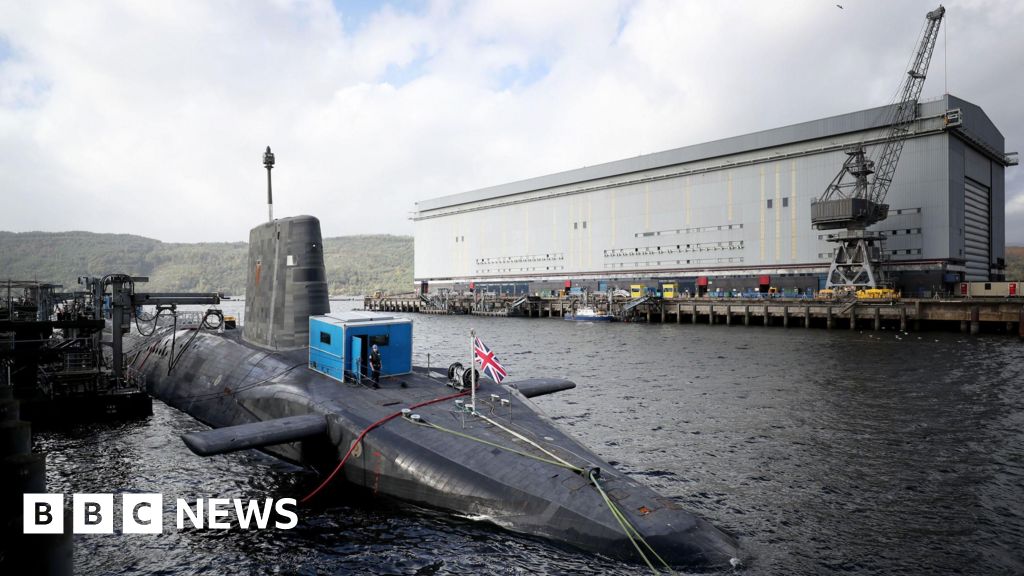
An Iranian man, accompanied by a woman, was apprehended after attempting to gain access to the Faslane naval base, the location of the United Kingdom’s nuclear-armed submarine fleet. Police Scotland confirmed that the arrests of the 34-year-old man and the 31-year-old woman took place at approximately 5 p.m. on Thursday at HM Naval Base Clyde.
The nationality of the woman involved has not been disclosed. According to the Royal Navy, the pair “unsuccessfully attempted” to enter the military installation situated near Helensburgh in Argyll and Bute. A spokesperson remarked, “As the matter is subject to an ongoing investigation, we will not comment further.” Reports indicate that the individuals did not attempt to forcibly enter the base; instead, they requested permission to enter, which was denied, resulting in their subsequent arrest. Police efforts to investigate the incident continue.
Faslane serves as the home base for all of the Royal Navy’s nuclear submarines, including the Vanguard-class ballistic missile submarines equipped with Trident nuclear missiles. These vessels represent the centerpiece of the UK’s nuclear deterrent. The location has been a longstanding target of anti-war protests, with groups such as the Campaign for Nuclear Disarmament maintaining a peace camp outside the site since 1982.
In the wake of heightened regional tensions, including Iranian attacks on Israel and US-allied countries in the Gulf, UK Prime Minister Sir Keir Starmer stated that the government had “stepped up protections for British bases and personnel to their highest level.” It remains unclear whether this security escalation pertains exclusively to bases in the Middle East and Mediterranean or encompasses all UK facilities domestically and overseas. Alongside Vanguard submarines, Faslane also houses Astute-class nuclear-powered attack submarines, which are conventionally armed. Meanwhile, the UK’s nuclear warhead stockpile is stored nearby at the Royal Naval Armaments Depot in Coulport, on Loch Long. The UK has maintained a continuous at-sea nuclear deterrent since 1969, initially with Polaris missiles and currently with Trident, deploying nuclear-powered submarines capable of extended submerged deployments
Read the full article from The BBC here: Read More
Auto Amazon Links: No products found. Blocked by captcha.