Auto Amazon Links: No products found. Blocked by captcha.
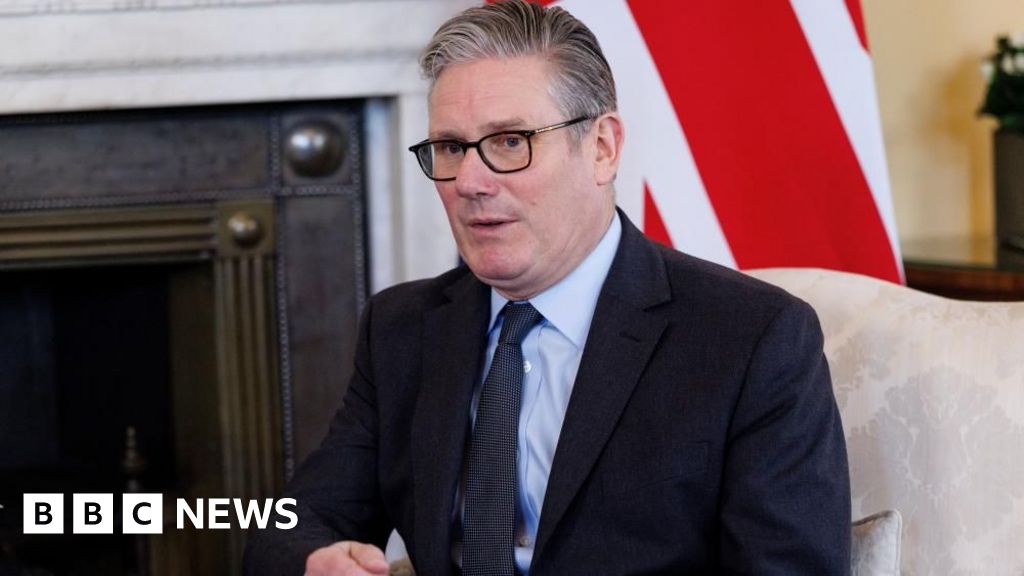
In recent times, the tradition of British politicians uniting during international crises appears to be unraveling, especially in 2026. Once, governments with substantial parliamentary majorities wielded considerable freedom to govern without much opposition. However, the current political landscape tells a different story. Despite Sir Keir Starmer’s leadership, internal restlessness within his party persists. Beneath the shadow of the ongoing Middle East upheaval, political unity seems to be weakening.
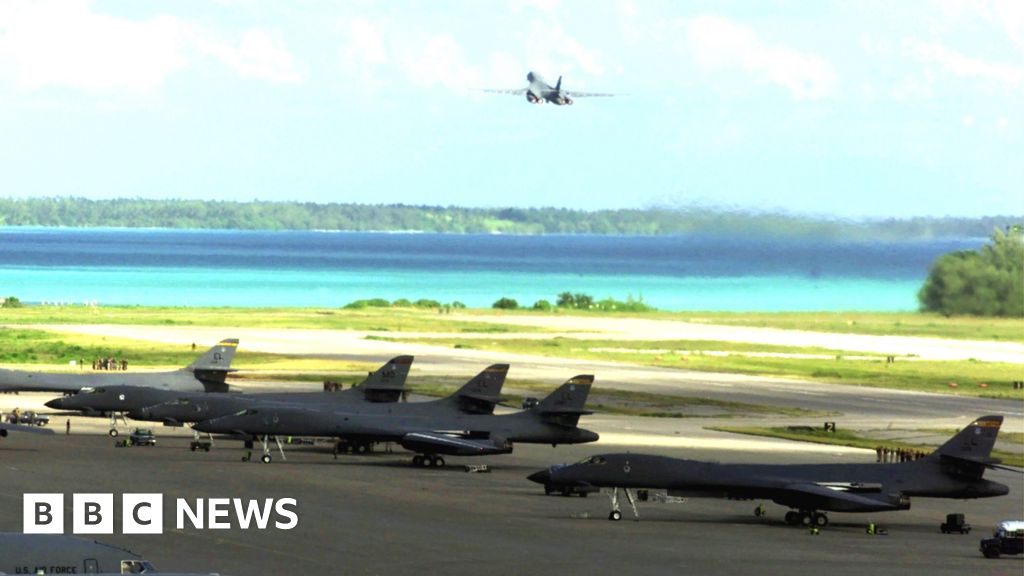
One minister conveyed concerns about widespread anxiety, noting uncertainty regarding the public’s trust in politicians’ capacity to protect national interests. This comes amid warnings from the International Energy Agency, which has labeled the unfolding situation as potentially “the greatest global energy security threat in history.” Public opinion is also uncertain about the government’s recent decision to permit the United States to utilize British bases for strikes targeting Iranian sites near the Strait of Hormuz, a critical maritime passage, raising questions about support for escalating UK involvement.
The looming local elections represent an impending test for the political class, as millions prepare to vote. Polls hint at a disordered outcome, reflecting growing public dissatisfaction. Meanwhile, the prime minister faces challenges on multiple fronts, not least from within his own ranks. A notable example is former deputy Angela Rayner, who has re-emerged prominently in public discourse. Rayner is among Labour MPs opposing the Home Secretary Shabana Mahmood’s plans, particularly the proposal to extend the period migrants must wait—from five years to ten—before gaining indefinite residency in the UK. These dissenting MPs are reportedly contemplating pushing for a parliamentary vote aimed at blocking parts of the immigration policy.
Sources sympathetic to the Home Secretary maintain that tougher immigration controls align with public sentiment. They argue that the political cost of perceived leniency on immigration has driven voters toward the Reform party more than to the Greens due to harsh policies. After encountering substantial opposition to proposed welfare reforms, Mahmood intends to implement changes gradually, avoiding a single, highly contentious parliamentary showdown. However, government ministers remain wary of the political risks, especially amid the Iran conflict. One minister cautioned colleagues that internal disputes could distract from the united front necessary during a global crisis. Meanwhile, Angela Rayner’s vocal criticism describing the immigration proposals as “un-British” and warning that “the survival of the Labour Party is at stake” has intensified tensions, with some colleagues viewing her remarks as a prelude to a leadership challenge following anticipated election losses
Read the full article from The BBC here: Read More
Auto Amazon Links: No products found. Blocked by captcha.