Auto Amazon Links: No products found. Blocked by captcha.
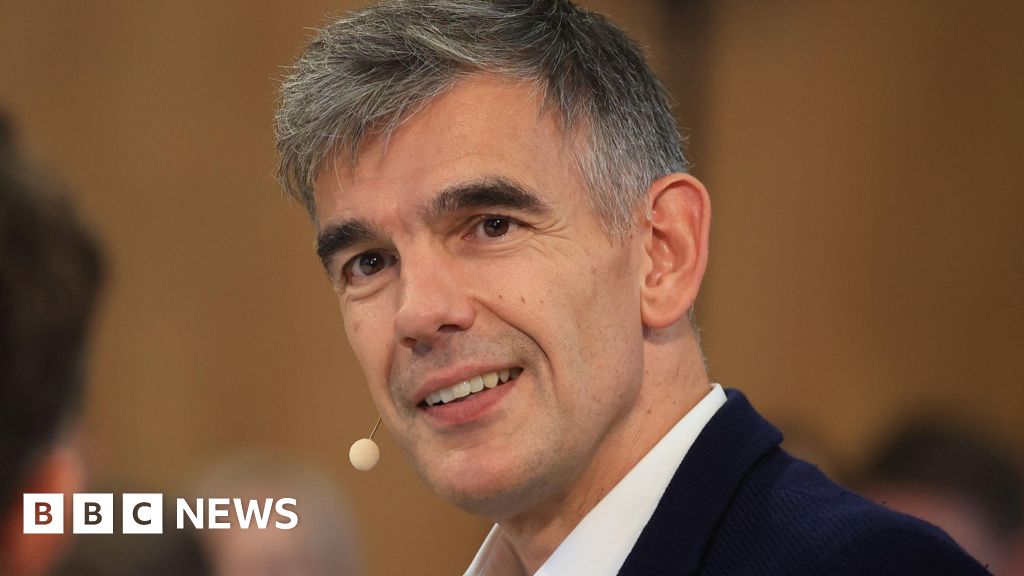
Matt Brittin, who is widely anticipated to become the BBC’s next Director General, has described himself simply as a “gap year student, part time athlete” on his LinkedIn profile. Since stepping down as President of Google in Europe, the Middle East, and Africa at the close of 2024 after nearly two decades with the tech giant, Brittin has been on a self-described “mini gap year.” During this break, he has embraced interests like growing a beard, purchasing a single sculling boat, and planning to learn scuba diving.
Brittin’s appointment will place him at the helm of one of the most scrutinised roles in British media. His background is notably different from that of many predecessors, as he lacks traditional editorial or public service broadcasting experience. Nonetheless, sources from within Google speak highly of him, praising his intelligence, leadership capabilities, and ability to understand complex issues rapidly. One former colleague noted, “He’s good at making everyone feel good. Everyone feels listened to. People are loyal to him.” Others have described Brittin as diplomatic yet analytical, with a strong knack for seeing the big picture and getting things done efficiently.
Despite some concerns about his commercial roots and the cultural differences between the tech and media sectors, supporters believe his corporate experience will help him make tough decisions. For example, during his tenure at Google, Brittin oversaw a major restructuring in early 2023, which involved cutting 12,000 jobs globally. Critics of the BBC have long argued the corporation is too slow to remove underperforming staff, so his experience in implementing performance-based culture changes could be valuable. He also faces a demanding list of priorities from day one, including appointing a new director of news following high-profile resignations, and potentially working with a deputy director general who might compensate for Brittin’s lack of editorial experience.
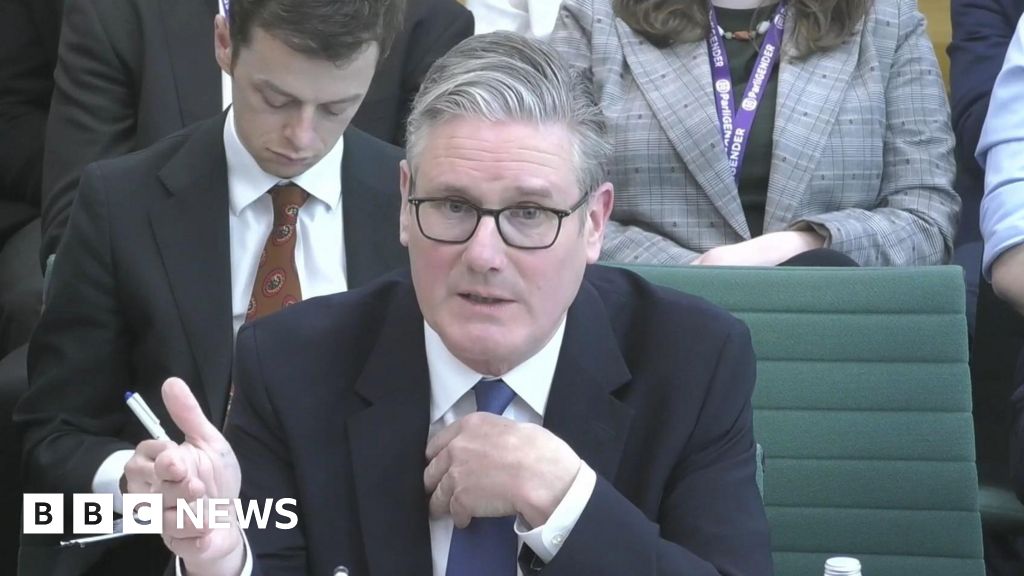
His past has not been free from public scrutiny. In 2016, Brittin faced tough questioning from the UK’s Public Accounts
Read the full article from The BBC here: Read More
Auto Amazon Links: No products found. Blocked by captcha.