Auto Amazon Links: No products found. Blocked by captcha.
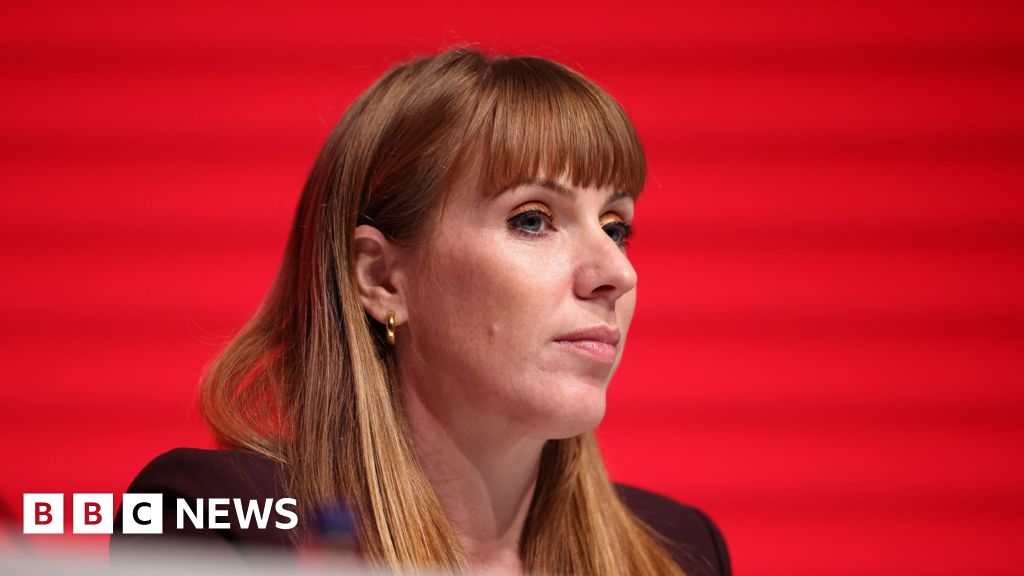
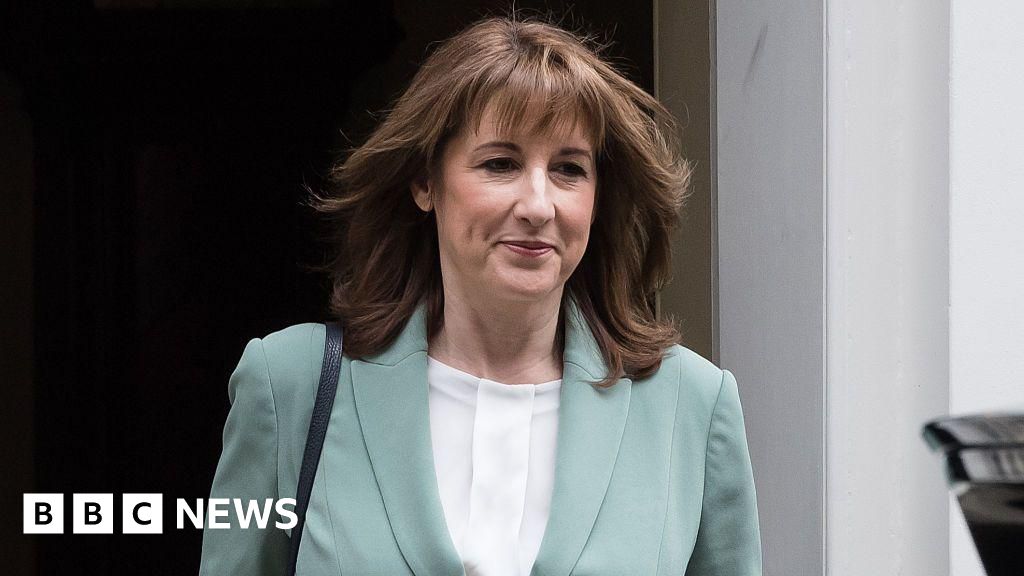
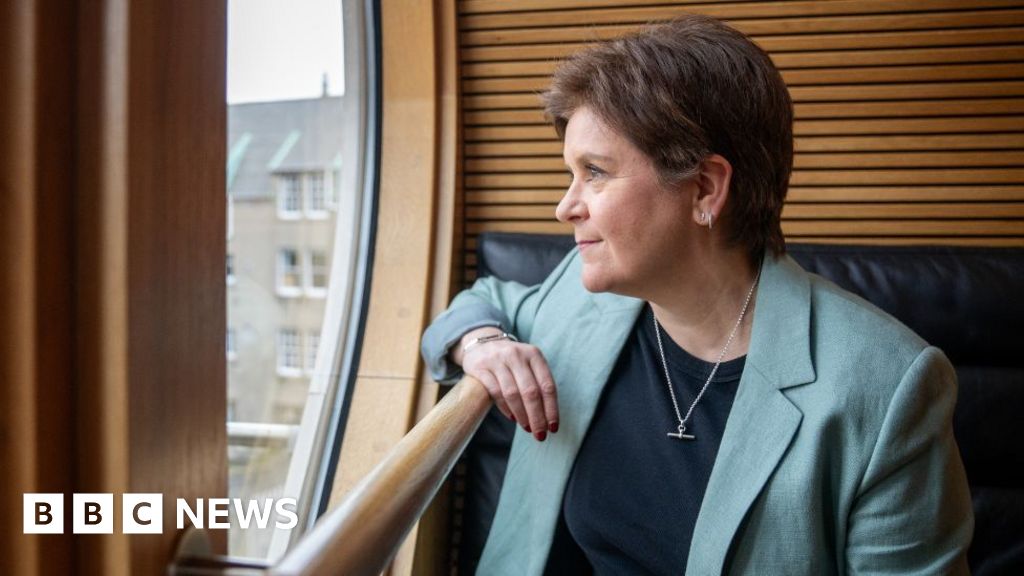
Nicola Sturgeon has responded to claims that she was overly focused on advancing gender reforms during her tenure as Scotland’s first minister, firmly rejecting the notion of being “obsessed” with changing legal recognition of sex. Speaking in an extensive interview with BBC Scotland News ahead of her departure from Holyrood after 27 years as an MSP, Sturgeon reflected on the controversies surrounding the gender recognition reforms and reiterated her steadfast support for the trans community.
Having resigned as first minister in March 2023 after serving an unprecedented eight years in the role, Sturgeon expressed that she is “contented” and “at peace” with her decision to leave politics. She remains one of the longest-serving members in the Scottish Parliament, which was established in 1999, but will not be bidding for re-election in the upcoming May poll. The gender reforms she championed drew significant criticism, particularly following the case of Isla Bryson, a convicted rapist who changed gender and was initially placed in a women’s prison before being transferred to a male facility after public outcry.
Addressing her critics, Sturgeon stated, “This idea that I became obsessed [with gender recognition reform] to the exclusion of everything else is just a nonsense thing that some of my opponents say.” She also reaffirmed her feminist identity, saying, “I have been a feminist for as long as I can remember. I will go to my grave a feminist.” She highlighted that the real threats to women arise from abusive men and from lawmakers abroad attempting to undermine women’s rights, while emphasizing that advocating for women’s rights is not incompatible with supporting one of the most marginalized groups in society — trans people.
When questioned about Isla Bryson, Sturgeon chose not to engage in labeling the individual’s gender identity, referring to Bryson solely as a rapist to avoid “demonisation” of trans individuals. Reflecting on her career, Sturgeon described becoming the first female first minister in 2014 as “an honour, a privilege that will always be, for as long as I live, very special to me.” Notable achievements during her time in office include the introduction of the Scottish Child Payment and significant work supporting people within the care system. Nevertheless, she acknowledged difficult moments, such as the 2014 Scottish independence referendum defeat and her strained relationship with former mentor Alex Salmond, who passed away in October 2024. The Covid-19 pandemic posed another major challenge, but Sturgeon insisted she “did my best every day,” a position supported by a UK Covid Inquiry report that praised her as a “serious and diligent leader,” while noting that she sometimes excluded certain ministers and advisers from key discussions.
During her leadership, Sturgeon also voiced support for a halt on new oil and gas drilling in the North Sea, stressing that Scotland’s remaining reserves would not provide an answer to global crises such as the recent conflict involving the US, Israel, and Iran. She advocated accelerating the transition to renewable energy, describing other challenges as “much bigger, more profound,” influenced by what she called “Trump’s very rash and reckless and dangerous actions in the Middle East.” With a career spanning decades now behind her, Sturgeon is embracing a new chapter focused on writing, having already published a memoir and currently working on a political thriller. “I’ve had the most incredible career in this building and in politics generally but it’s time for me to move into a new chapter in my life and I’m really looking forward to that,” she concluded
Read the full article from The BBC here: Read More
Auto Amazon Links: No products found. Blocked by captcha.