Auto Amazon Links: No products found. Blocked by captcha.
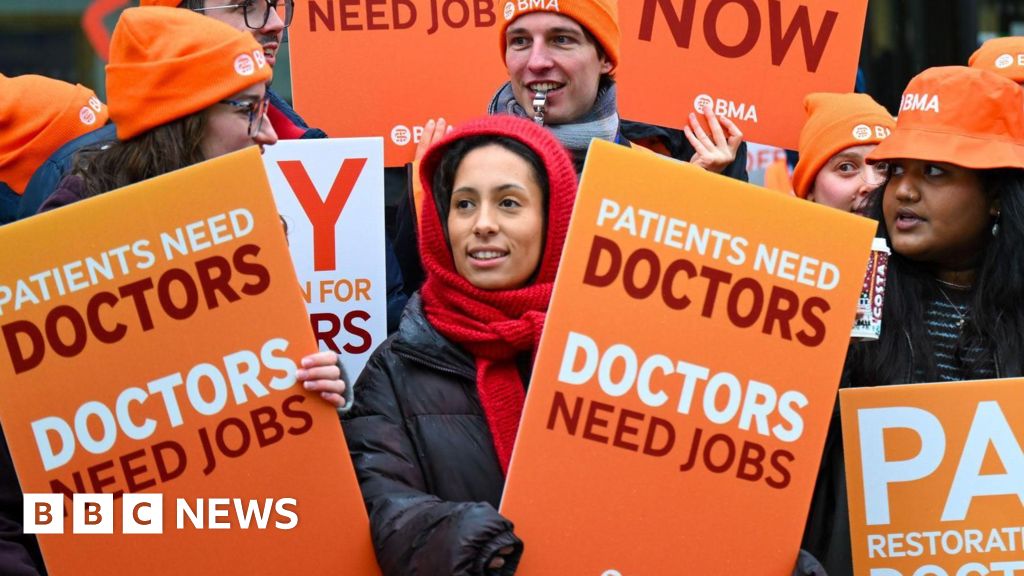
Resident doctors in England have announced plans for a six-day strike next month following unsuccessful negotiations between the British Medical Association (BMA) and the government. The BMA cited the government’s insufficient response to their demands concerning pay and the shortage of jobs as the primary reasons for taking industrial action. This upcoming strike represents one of the lengthiest in the ongoing dispute and will occur after more than two months of talks that began earlier this year.
The strike is scheduled to begin at 07:00 GMT on 7 April, immediately following the Easter bank holiday weekend. It will mark the 15th industrial action since March 2023. The breakdown in talks came despite the government’s announcement of a 3.5% pay increase for doctors this year, a figure recommended by an independent pay review body and accepted by the government. However, the BMA described this pay rise as a “crushing blow,” emphasizing that it applies to all doctors and not solely resident doctors, who were previously referred to as junior doctors.
In addition to the pay increase, the government has pledged to cover some out-of-pocket expenses for resident doctors, such as exam fees, and to expand training posts to help address the shortage of jobs at the point when doctors enter their third year of training. Resident doctors will also be offered the chance to progress through pay bands more swiftly, moving through five pay points starting at nearly £39,000 and rising to almost £74,000. Despite these offers, Dr Jack Fletcher from the BMA argued that inflation, expected to rise due to global events such as the Iran war, will continue to erode doctors’ pay in real terms. He explained, “We have been negotiating in good faith for weeks. We are simply not going to put an offer to doctors that risks locking in further erosion of pay at a time when doctors continue to leave the UK for other countries.”
Health Secretary Wes Streeting criticized the BMA’s stance, stating that their expectations were “beyond reasonable and realistic.” He expressed disappointment that the BMA had rejected what he described as a generous package which would have significantly improved the working lives and career prospects for resident doctors. This forthcoming strike will tie for the longest action in the dispute so far, with six days being the maximum duration previously observed. Resident doctors constitute nearly half of the doctors working within the NHS, and around two-thirds of them are members of the BMA. Talks between the two parties have been ongoing intermittently over the past year. While the government highlights nearly 30% pay rises over the last three years, the BMA counters that when adjusted for inflation, resident doctors’ pay remains about 20% lower than it was in 2008. Additionally, the union has raised concerns about job shortages when doctors transition into specialist training in their third year, with many applicants competing for limited specialist positions – for instance, last summer there were 30,000 applicants for approximately 10,000 roles, including some international doctors
Read the full article from The BBC here: Read More
Auto Amazon Links: No products found. Blocked by captcha.