Auto Amazon Links: No products found. Blocked by captcha.
With just six weeks remaining until the Scottish Parliament election in May, political leaders across Scotland have begun actively campaigning to capture voter support. This election, which coincides with the Welsh Senedd election and various local elections in England, carries potential consequences for the broader political landscape of the UK.
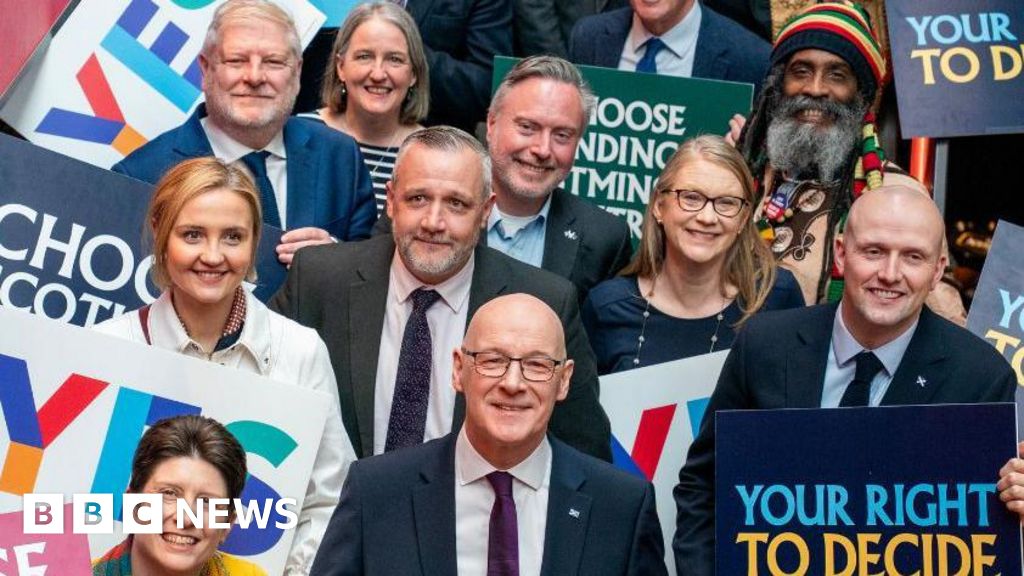
In the previous 2021 election, the Scottish National Party (SNP) secured 64 seats, narrowly missing an outright majority by one. The SNP is now seeking to claim its fifth consecutive victory in Holyrood. At a Glasgow event, SNP leader John Swinney outlined several key promises, including a £10,000 grant to support first-time homebuyers, expanding free childcare, and improving NHS performance. Swinney stressed that achieving a majority—defined as at least 65 out of the 129 available seats—would enable Scotland to hold a second independence referendum, a decision that requires approval from the UK government, which has so far refused to authorize another vote. Additionally, Swinney warned that an SNP majority would prevent Nigel Farage’s Reform party from exerting influence at Holyrood, suggesting there might otherwise be a covert deal between Reform and Labour.
Scottish Labour leader Anas Sarwar, meanwhile, has positioned himself as a contender to replace Swinney as first minister, though recent polls suggest Labour is currently vying for second place. Speaking in Glasgow, Sarwar emphasized his intent to “walk the narrow path” towards becoming first minister. He criticized Swinney for insinuating that Labour might collaborate with Reform, describing such claims as shameful and accusing the SNP leader of diverting attention from his own party’s record by focusing on Reform. Sarwar also condemned campaign ads run by Reform, labeling them as “horrific,” and branded the party as “the Tories in disguise.” As part of his campaign, he announced plans to hire 2,000 specialist teachers and 1,500 classroom assistants to help students improve key skills, pledging to “fix the mess, get the basics right and build a better future.”
The Scottish Conservatives, historically the second-largest party in Holyrood since 2016, face a challenging election, with their voter base under pressure from Reform UK’s rising ambitions. Scottish Tory leader Russell Findlay appealed to unionist voters to back the party in order to stop the SNP from achieving a majority and pushing for a second independence referendum. Speaking ahead of a campaign event in Edinburgh, Findlay argued that MSPs’ priority should be addressing the cost-of-living crisis, reducing bills, and boosting Scotland’s economy rather than focusing on independence. He urged voters to use their ballots to support the Conservatives and “help stop an SNP majority.”
The Scottish Greens, who returned a record eight MSPs in 2021, are aiming to increase their representation despite strong competition for regional list seats. After a difficult parliamentary term marked by the collapse of their initial power-sharing agreement with the SNP
Read the full article from The BBC here: Read More
Auto Amazon Links: No products found. Blocked by captcha.