Auto Amazon Links: No products found. Blocked by captcha.
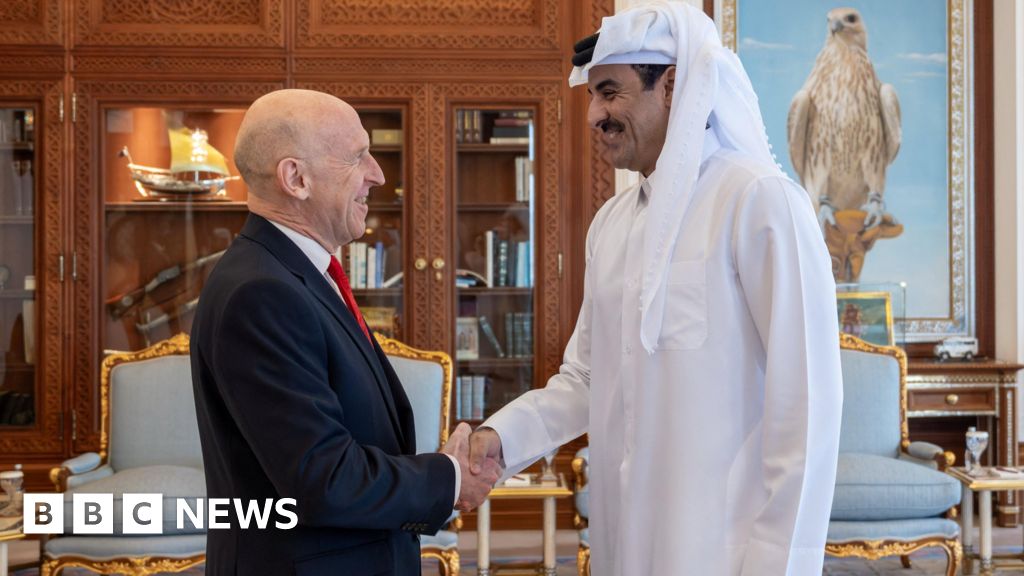
The United Kingdom is set to increase its military presence in the Middle East by deploying additional troops and air defence systems in response to escalating Iranian attacks. This move will raise the total number of British personnel involved in defending the Gulf region and Cyprus to about 1,000. Defence Secretary John Healey announced this plan during his visit to several Gulf countries, including Saudi Arabia, Bahrain, Kuwait, and Qatar. The deployment will see reinforced air defence capabilities in Saudi Arabia, Bahrain, and Kuwait, along with an extension of the operation of Typhoon jets based in Qatar.
Healey emphasized the UK’s commitment to assisting its Gulf partners, stating, “My message to Gulf partners is: Britain’s best will help you defend your skies.” Despite the UK’s objective to limit its engagement to defensive measures, the stance has faced criticism, particularly from US President Donald Trump. Prime Minister Sir Keir Starmer reaffirmed the UK’s position, saying the country is determined “not going to get dragged into this war” but will continue safeguarding its interests and allies within the region. During his tour, Healey reported praise from Gulf states, which regard British forces as a “cornerstone” of their regional security.
The recent attacks on civilian infrastructure have heightened tensions in the area. Qatar, for example, warned that such assaults jeopardize the wider region’s stability following a recent attack on a power and desalination plant in Kuwait. At Dukhan air base in Qatar, Healey confirmed the extension of the Typhoon jet deployment. Additionally, the UK plans to introduce its Sky Sabre air defence missile system to Saudi Arabia within the week, accompanied by operational teams. This system, which integrates radars, control nodes, and missile launchers, is designed to intercept incoming threats such as missiles and aircraft and will enhance the broader air defence network in the Gulf.
British forces are already active in the region, with the Lightweight Multirole Missile launcher deployed in Bahrain alongside UK experts to assist with its integration. Kuwait has also received the Rapid Sentry ground-based missile defence system. Healey highlighted ongoing efforts to ensure the security of critical maritime routes, including the Strait of Hormuz, which is essential for global energy supplies. The UK is working closely with international partners, including the US, to develop strategies to keep these shipping lanes open, which may involve the deployment of autonomous drones from British naval vessels to clear mines if necessary. Despite the ongoing criticism from the Trump administration, Healey stressed the strong military and intelligence cooperation between the UK and the US, underscoring the shared recognition of threats and the necessity for coordinated action among free nations
Read the full article from The BBC here: Read More
Auto Amazon Links: No products found. Blocked by captcha.