Auto Amazon Links: No products found. Blocked by captcha.
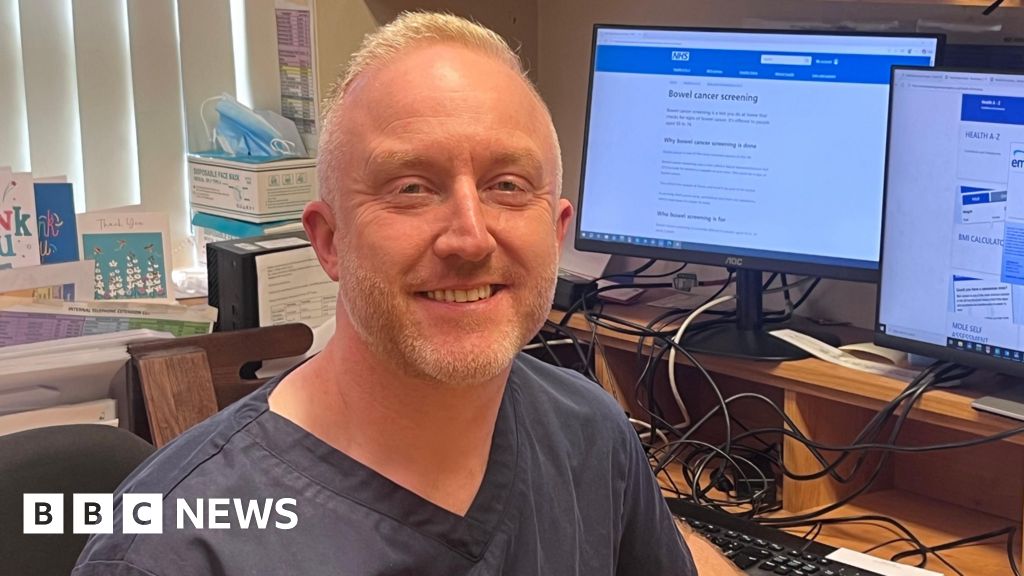
Dr Jonny Dillon, a General Practitioner from Banbridge, was taken aback when he was diagnosed with bowel cancer at the age of 49, especially given his medical background. Despite feeling generally unwell, he exhibited no bowel-related symptoms but still required surgery shortly after turning 50. His experience has led him to strongly criticize Northern Ireland’s bowel cancer screening program, which he believes is falling behind other parts of the United Kingdom.
Currently, screening in Northern Ireland begins at age 60, later than in other UK regions, and the threshold for detecting blood in home testing kits before further investigations is higher. While England, Scotland, and Wales use a sensitivity level of 80 micrograms of blood per gram of stool in their faecal immunochemical test (FIT), Northern Ireland’s threshold is set at 120. Dr Dillon argues that lowering these thresholds and expanding screening to include people as young as 50 would catch cancers or precancerous conditions much earlier. “That will pick up cancers or pre cancers at a much earlier stage. It will cost money upfront, but that will save money because people will be picked up and it will ultimately save many lives,” he said.
Dr Dillon’s own diagnosis was a massive shock, particularly because the cancer had not spread and he did not require chemotherapy or radiotherapy, allowing him to return to work within six months. As a GP, he recognizes that bowel cancer is uncommon under 50, but notes an upward trend in younger patients, with 11.1% diagnosed under 55. His patient, Marie McGrath, who was diagnosed at 52, also emphasizes the need for earlier screening. McGrath, who lived a healthy lifestyle, was unaware bowel cancer could affect someone her age. Reflecting on her diagnosis, she said, “To have a screening age set at 60, I’m wondering would I have made it to 60 if I hadn’t got the GP and the circumstances at the time?”
Screening in Northern Ireland involves the use of FIT kits sent to eligible individuals aged between 60 and 74 every two years, which test for hidden blood in stool samples to catch cancer early or detect polyps before they develop into cancer. Polyps can be removed relatively easily, reducing the risk of cancer progression. However, people between 50 and 59 in Northern Ireland currently miss out on this preventative opportunity, unlike in other UK nations. Genevieve Edwards, Chief Executive of Bowel Cancer UK, warns that Northern Ireland is “falling dangerously behind” and urges the executive to lower the screening age “without delay.” She highlights that early-stage detection of bowel cancer leads to a survival rate of over 90%, whereas currently, one in four people are diagnosed only after emergency hospital admissions when the disease is advanced and much harder to treat.
The Department of Health (DoH) in Northern Ireland acknowledges these concerns and confirms that plans to reduce the sensitivity threshold for FIT tests and to lower the screening age are underway, as outlined in the Northern Ireland Cancer Strategy (2022-2032). However, the DoH cautions that any expansion must consider financial and service capacity constraints, including diagnostic and treatment infrastructure, to ensure the system can cope with increased demand. This careful balance highlights the complexity of implementing changes that could ultimately save more lives through earlier detection and treatment
Read the full article from The BBC here: Read More
Auto Amazon Links: No products found. Blocked by captcha.