Auto Amazon Links: No products found. Blocked by captcha.
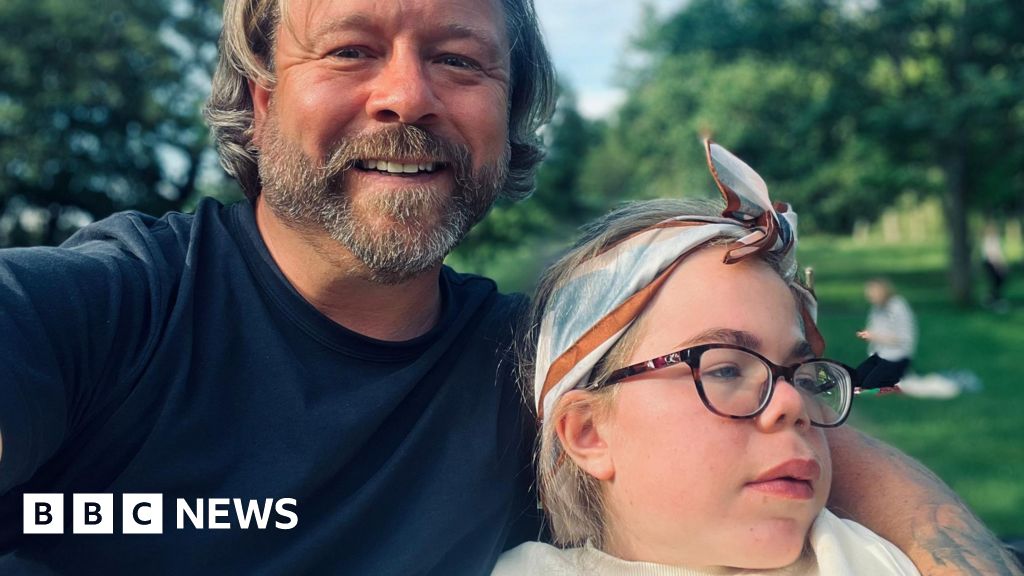
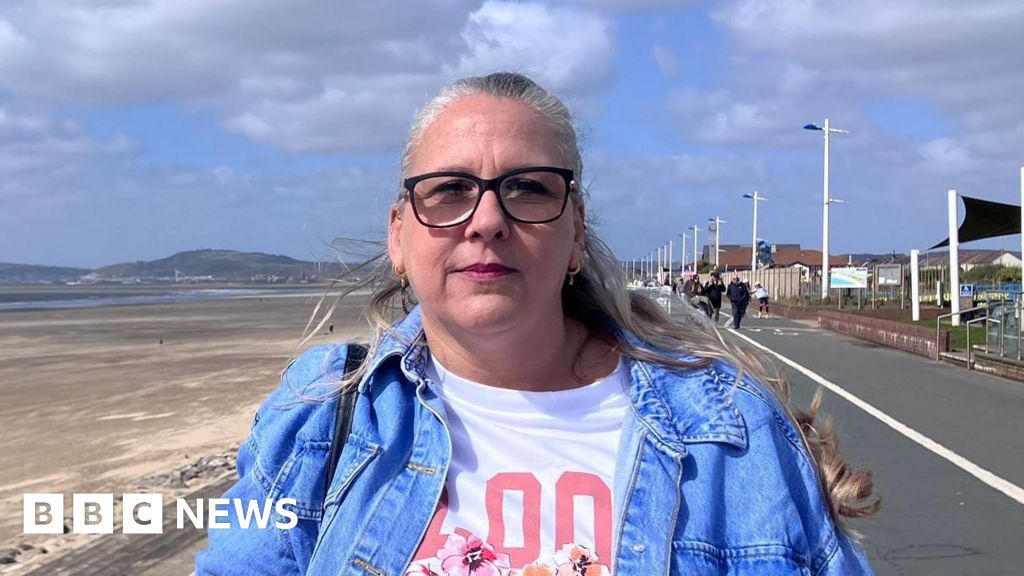
Michelle Rees, a 45-year-old mother from Crynant, Neath Port Talbot, has dedicated herself to caring for her disabled daughter who requires constant attention due to a rare form of epilepsy. Having left her job to provide full-time care, Michelle expresses frustration at how unpaid carers like herself often feel “used” and must “fight for everything.” Despite spending over 90 hours weekly on caregiving duties, the carer’s allowance she receives—£83.30 per week—leaves her struggling to afford even basic needs such as breakfast. “I don’t have breakfast because I can’t afford breakfast. I have one meal a day,” she revealed, highlighting the severe financial strain caused by the current system.
A recent report by the Senedd health and social care committee highlights that over 310,000 individuals in Wales, roughly one in eleven people, provide unpaid care. However, the report notes there has been “little improvement” for carers since 2019. It also exposes significant gaps in support, with only a small fraction—4,924 carers—having a formal support plan. Some carers face long delays for assessments and receive no services even after evaluation. The committee issued 35 recommendations aimed at improving identification of unpaid carers by healthcare professionals and enhancing support especially for young carers, urging the Welsh government to act decisively.
The challenges of unpaid caregiving are not limited to adults. Young carers like 17-year-old Albie Sutton from Denbighshire have been providing substantial support for years, often without recognizing themselves as carers. Albie began caring for his mother at the age of 11, assisting with physical care and household tasks while also managing his own studies. He chairs the Young Carers Advisory Board for Wales, advocating for improved support and a standardized approach in schools to ensure young carers receive the assistance they need. His mother, Helen, expresses concern about the burden placed on her son at such a young age, saying, “He’s not a child but he shouldn’t have to have this on his shoulders.”
Other carers echo similar sentiments about the strain and exhaustion caused not only by caregiving but also by navigating complex systems. Jo Phillips from Swansea cares for her son with autism and severe OCD, highlighting that the “exhaustion comes from dealing with professionals, or social care, health, education. Parent carers I think have got it the hardest.” The report also sheds light on the deteriorating mental and physical health of carers, the scarcity of respite care in parts of Wales, and calls on the Welsh government to exert pressure on the UK government to improve financial support. As Peter Fox MS, chair of the Senedd committee, emphasizes, unpaid carers “are the unsung heroes, the backbone of our social care system and our health system, and they need our support.” In response, the Welsh government outlines ongoing investments and consultations aimed at enhancing carer services, while political parties affirm their commitment to supporting this essential group
Read the full article from The BBC here: Read More
Auto Amazon Links: No products found. Blocked by captcha.