Auto Amazon Links: No products found. Blocked by captcha.
Numerous household expenses have seen increases starting this April, even though energy bills have temporarily decreased. Alongside these changes, the minimum wage has been raised, and many individuals on lower incomes can expect upcoming benefit increases. Meanwhile, prescription charges in England remain frozen, and local councils are now able to offer financial support to those struggling with rising living costs through a Crisis and Resilience Fund.
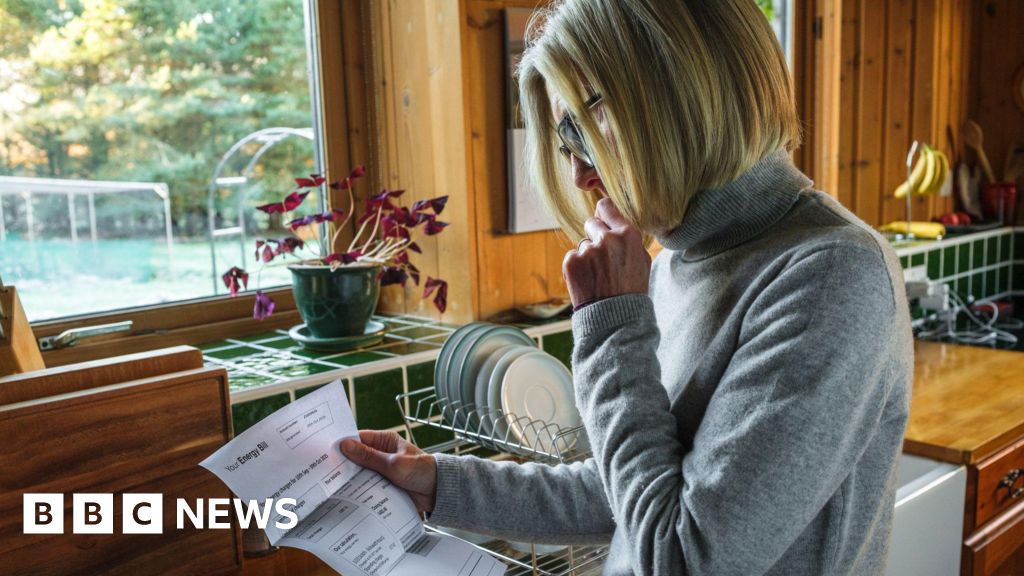
Regarding household energy costs, most consumers across England, Wales, and Scotland are benefiting from a reduction irrespective of their specific tariffs, though the exact savings will differ by household. For homes on tariffs regulated by Ofgem’s price cap with typical energy consumption, the annual energy bill will fall to £1,641. However, this reduction is only temporary. Due to the ongoing conflict in Iran, prices are expected to rise sharply starting in July. Experts from the energy consultancy Cornwall Insight forecast that the typical annual bill will increase to £1,929 in July, representing an 18% hike.
Council tax charges are also rising, with an average increase of 4.9% across England. For a Band D property, this translates to an annual payment of £2,392, which is £111 more than last year. While many councils are restricting increases to 5%, some have received government approval to impose higher hikes to address financial pressures. There are exemptions available, such as discounts for single occupants and homes occupied solely by students, which make the cost more manageable for some households. In Scotland, numerous local authorities have raised council tax significantly, and in Northern Ireland, the domestic rates system has seen increases across all councils.
Water bills have climbed as well, with the average annual charge in England and Wales rising by £33 to £639, based on figures from the industry body Water UK. These increases vary considerably by region and follow significant rises last year in many areas. Scottish water bills are up by an average of £42, an 8.7% increase, bringing the typical annual cost to £532. Consumer organizations suggest that customers can reduce their bills by exploring eligibility for discounted tariffs, considering the installation of water meters, and adopting water-saving habits such as limiting shower times
Read the full article from The BBC here: Read More
Auto Amazon Links: No products found. Blocked by captcha.