Auto Amazon Links: No products found. Blocked by captcha.
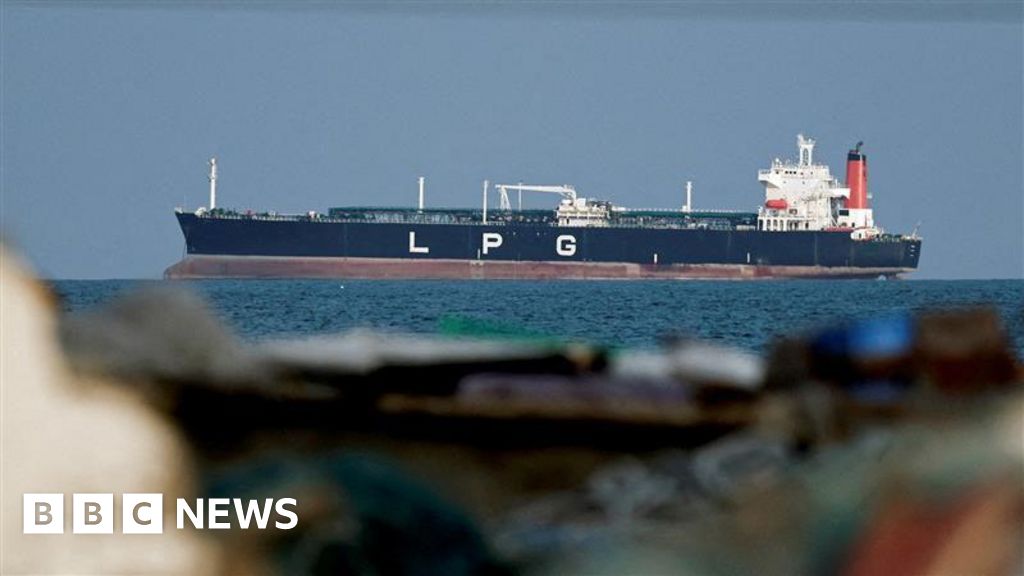
At a recent summit addressing security concerns in the Strait of Hormuz, UK Foreign Secretary Yvette Cooper accused Iran of effectively “hijacking an international shipping route to hold the global economy hostage.” The virtual meeting brought together representatives from over 40 nations, marking the start of efforts to form a coalition aimed at safeguarding this critical maritime corridor. The summit emphasized diplomatic approaches rather than military interventions in the ongoing conflict.
The tensions in the Strait have intensified due to multiple attacks on vessels by Iran, which officials say are retaliatory actions against US and Israeli military aggression. These assaults have severely disrupted energy exports, leading to sharp increases in global fuel prices. Cooper highlighted the broad impact on various countries, noting that the disruption affects numerous Gulf states and has wider international consequences, including supplies of liquid natural gas to Asia, fertilizer to Africa, and jet fuel worldwide.
US President Donald Trump commented on the situation shortly before the talks, urging other nations to “build up some delayed courage” and take control of the strait to secure the shipping route. He criticized allies for not acting sooner and suggested they simply “go to the Strait and just take it.” Meanwhile, Washington has continued to express frustration over what it perceives as inadequate support from its partners to protect the route and bolster its regional campaign.
In contrast, French President Emmanuel Macron dismissed the idea of reopening the strait by military force as “unrealistic,” stating that such an option was never favored. Speaking during a trip to South Korea, Macron stressed that reopening the passage would require cooperation with Iran, beginning with a ceasefire and the resumption of negotiations. Although the UK hosted the summit, it did not disclose the full list of participants, and the US was not expected to send a representative. Countries that previously signed a joint statement condemning Iranian attacks and expressing willingness to help ensure safe passage were believed to take part, including Gulf states, France, Germany, Japan, and Australia among others.
This diplomatic initiative follows UK Prime Minister Sir Keir Starmer’s recent declaration that the British government is exploring all possible diplomatic options to reopen the shipping route. Starmer also mentioned that the UK’s military planners are examining future measures to make the Strait of Hormuz safe and accessible once hostilities end. The stakes are high, as approximately one-fifth of the world’s oil and gas supply passes through this key waterway. With Brent crude prices rising sharply from $73 to more than $100 a barrel recently, governments worldwide face mounting pressure to address the resulting cost-of-living challenges tied to soaring energy costs
Read the full article from The BBC here: Read More
Auto Amazon Links: No products found. Blocked by captcha.