Auto Amazon Links: No products found. Blocked by captcha.
South East Water (SEW) has recently faced intense scrutiny following prolonged supply problems over the winter months, which left tens of thousands of customers without water. During a hearing with the Environment, Food and Rural Affairs Committee, SEW chairman Chris Train openly acknowledged the company’s failure to meet its fundamental responsibility. He emphasized, “It is absolutely untenable for customers to be without water,” underscoring the severity of the situation.
The firm’s CEO, David Hinton, who received a salary of £400,000 plus a £115,000 bonus last year, has come under pressure to resign. Despite this, Train stated that the board continues to support Hinton. However, the CEO has foregone his bonus for the current year. Criticism from MPs has been fierce, with Tunbridge Wells representative Mike Martin describing the company’s leadership as delivering a “pathetic performance,” and stating, “If the board thinks Dave Hinton is the best person for the job, then they too are failing in their job.” When questioned about his future, Hinton expressed his determination to “keep pushing on” and spoke of his strong emotional connection to the communities served.
Customers of South East Water are also facing a 7% increase in their bills from April, elevating the average annual charge to £324 for 2026/27, up from £303 the prior year. The water outage in January, attributed by the company to Storm Goretti and power failures, caused significant disruption. Many households were left unable to shower, bathe, or flush toilets, while several schools had to close temporarily. The company has established a £600,000 compensation fund for affected businesses, but committee chair Alistair Carmichael criticized this as insufficient, saying the amount “does not touch the sides.”
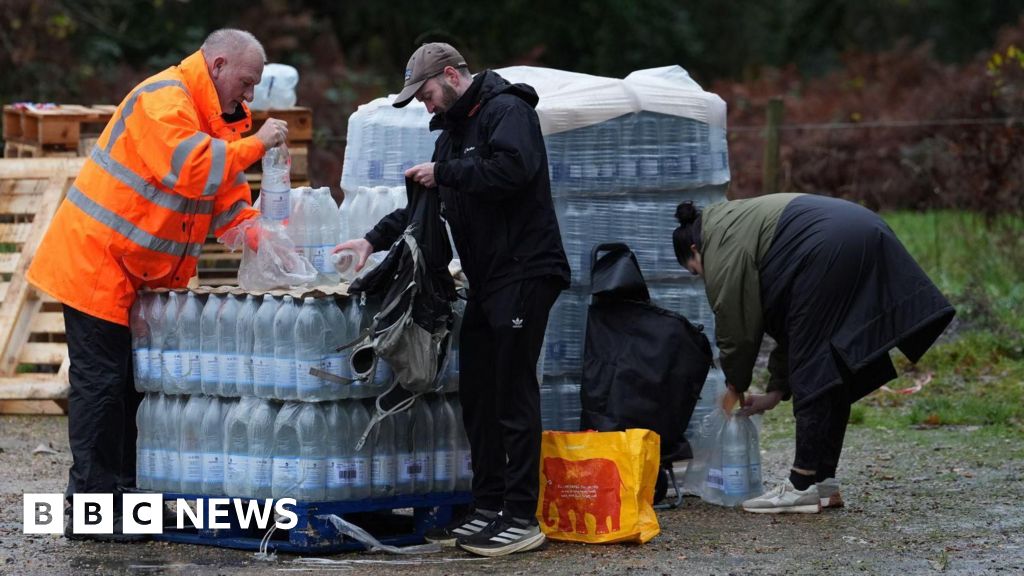
Further fallout from the crisis reveals lasting effects on consumer confidence. Dr Mike Keil, CEO of the Consumer Council for Water, shared findings that 54% of SEW customers are now storing bottled water in anticipation of potential future outages. Environment Secretary Emma Reynolds condemned the disruptions as “completely unacceptable.” While Hinton acknowledged the company had learned lessons from the failures, he admitted, “Clearly we’ve got a lot more to learn.” Criticism also focused on SEW’s inadequate communication during the incident, which Hinton conceded was mismanaged. The Drinking Water Inspectorate’s investigation concluded that the outage was both “foreseeable and preventable,” blaming longstanding shortcomings in management, monitoring, maintenance, and organizational readiness. In response, SEW has entered a transformation program aiming to tackle the root causes of poor performance, alongside plans to invest £2.1 billion in infrastructure and resilience over the next five years.
Climate change was identified by Chairman Train as a significant factor contributing to the crisis, noting that its “speed and severity” in the South East surpassed expectations. Meanwhile, Ofwat, the industry regulator, proposed a substantial £22 million fine for SEW relating to supply disruptions affecting 286,000 people between 2020 and 2023. This penalty, the second largest ever proposed by the regulator, does not account for the most recent failures, and Ofwat is investigating potential breaches of the company’s licence conditions. Chris Walters, Ofwat’s CEO, acknowledged recent “steps forward” by SEW but cautioned that only time would reveal their adequacy. SEW, which serves around 2.3 million people across Kent, Sussex, Surrey, Hampshire, and Berkshire, is owned by investors led by Utilities Trust of Australia and carries £1.3 billion in debt. Its pre-tax losses for the year ending March 2025 narrowed to £19.8 million from £36.7 million the previous year
Read the full article from The BBC here: Read More
Auto Amazon Links: No products found. Blocked by captcha.