Auto Amazon Links: No products found. Blocked by captcha.
Several major mortgage lenders have recently introduced significant reductions in the interest rates offered on new mortgage deals, providing some much-needed relief to first-time homebuyers affected by the economic fallout from the ongoing conflict in Iran. This shift in mortgage pricing comes as financial markets respond to growing hopes for a lasting ceasefire, resulting in a halt to the steep rise in borrowing costs seen earlier and a slight reversal in rates.
Despite these encouraging changes, experts caution that the situation remains fragile. Borrowers continue to face the risk of sudden fluctuations in mortgage costs as the overall market environment remains uncertain. For many first-time buyers, lower rates bring welcome respite, yet the overall expense of purchasing a property still poses a significant challenge, particularly since other living expenses have also been climbing.
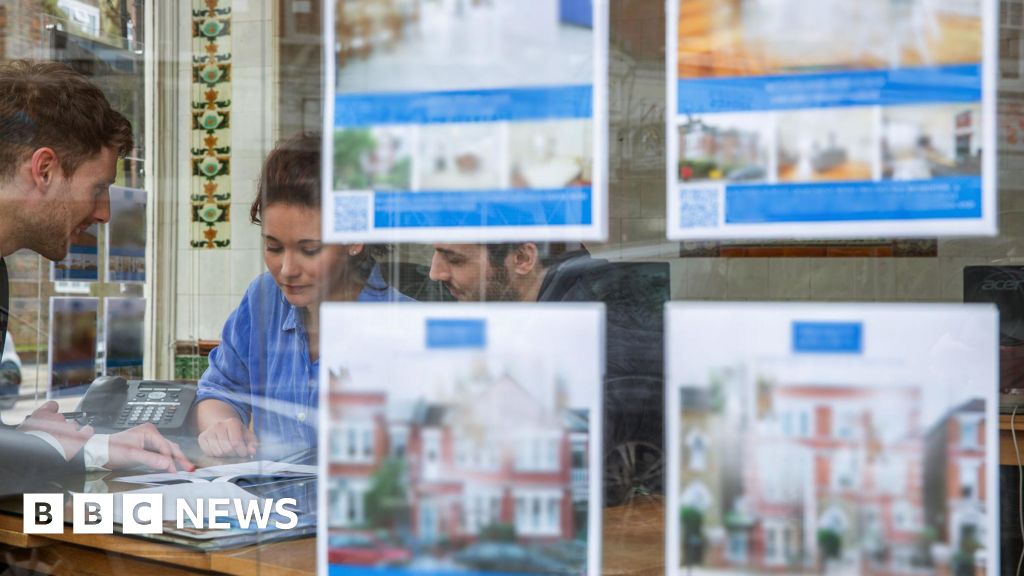
Amy Worrell, 26, and Tommy Adeyemi, 30, who have been diligently saving for five years to purchase their first home in Hertfordshire, illustrate how unpredictable the market has been. After seeing mortgage rates soar within days during their search, they are now optimistic that the recent downturn in rates might hold before they finalize their purchase. Amy shared how the rate changes have impacted their plans, saying, “It makes such a big difference. We’ve already had to extend our mortgage by five years to 40 years.” Both she and Tommy hold stable jobs but choose to live with family to avoid steep rents, and even with these sacrifices, they find the process financially stressful. Amy voiced concern over housing affordability for lower-income workers, stating, “Having a home shouldn’t be a luxury,” and expressed worry about others who work retail jobs being able to enter the market.
The broader financial context underscores these personal stories. According to official data from the Office for National Statistics, two-thirds of adults noted an increase in their cost of living in March, driven mainly by rising prices for fuel and food. Mortgage rates, especially fixed deals that typically last two to five years, are heavily influenced by swap rates, which reflect market expectations for future Bank of England interest rates. Recent easing of inflation fears due to indications of a potential pause or end to the conflict in the Middle East has led to reduced swap rates and, consequently, lower mortgage offers from lenders like Halifax, HSBC, and Santander. Aaron Strutt from Trinity Financial remarked that these reductions are gaining traction and will be a welcome development for many eager buyers.
However, volatility persists. For instance, the average two-year fixed mortgage rate climbed from 4.83% at the start of the conflict to a peak of 5.90% just a week ago, before declining slightly to 5.87%, with further reductions anticipated, though not to pre-conflict levels. Adam French of Moneyfacts noted that market responses, such as the reopening of the Strait of Hormuz, have helped mortgage pricing stabilize somewhat but warned that “recent volatility shows how quickly pricing can shift again.” Mortgage advisor Jo Jingree advised prospective borrowers to consider securing a rate soon, as “while reductions may continue, the situation is far from stable and waiting further could be a risk.” Financial professionals emphasize that borrowers should plan for possible future rate increases by focusing on affordability and building financial buffers rather than trying to time the market perfectly. Despite a decline of about 1,000 mortgage deals since the conflict began, there remain thousands of options, with lenders also offering larger loans to new buyers than before
Read the full article from The BBC here: Read More
Auto Amazon Links: No products found. Blocked by captcha.