Auto Amazon Links: No products found. Blocked by captcha.
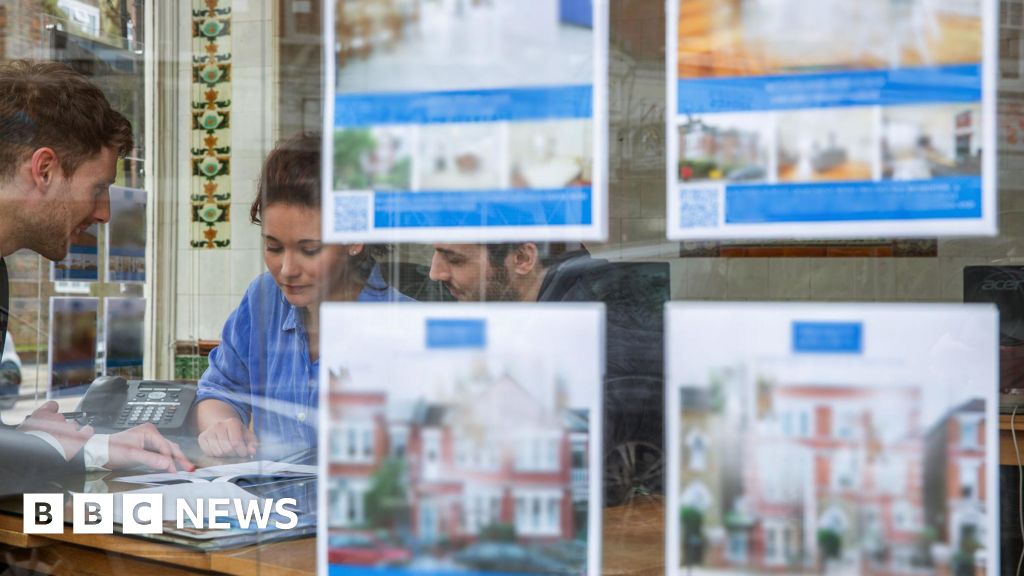
In 2025, over one-third of young men in the UK were living in their parental homes, a notable rise from 26% in 2000, according to recent figures from the Office for National Statistics (ONS). This trend reflects a growing challenge as housing affordability concerns, such as expensive rents and soaring property prices, contribute to more young adults remaining with their families. While the proportion of young women living with parents has also increased, it remains lower than that of young men, with 22% compared to 35%.
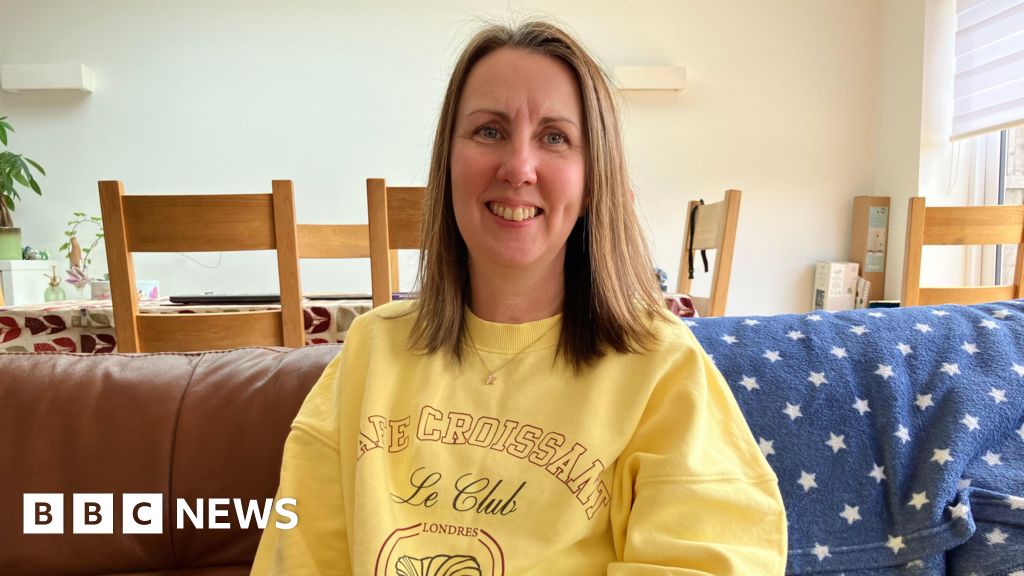
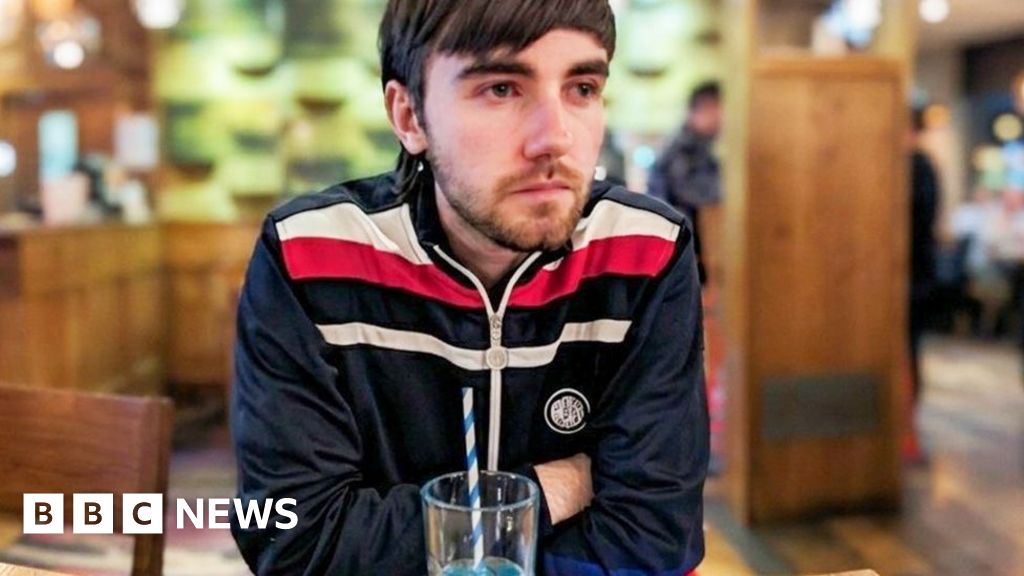
Nathan, a 24-year-old residing near Manchester, exemplifies this situation. He shares a council house with his father and credits living at home with helping him save £50,000 despite earning minimum wage from his night job cleaning and maintaining trains. Nathan emphasizes the financial advantage of minimal rent from family members, stating, “If you are lucky enough to live with a mum, dad or grandparent who doesn’t charge you much rent, then you can build up money even on the minimum wage.” He also highlights his frugal lifestyle by preparing meals to take to work, limiting impulse spending, and avoiding expensive nightlife.
Similarly, 22-year-old Harry Turnbull recently moved back in with his mother in Surrey to complete his studies. After spending three years living independently with friends, he acknowledges missing that independence but says the rising cost of living left him little alternative. Harry remarks, “Everything is so, so expensive and prices have just gone up massively,” adding that young people currently have limited opportunities to live alone. This sentiment mirrors broader concerns identified by the ONS, which revealed that the cost of living now ranks higher than even healthcare or the overall economy as the top worry among adults.
Beyond young adults, the ONS data also shows broader changes in household compositions in the UK. About 30% of households consist of individuals living alone, nearly half of whom are aged 65 or older, marking a slight increase since 2015. At the same time, traditional family arrangements, such as married couples with or without children, have declined in proportion. Alternative family structures, including unmarried couples, civil partners, and single-parent families, have become more prevalent. In early 2026, more than two-thirds of adults reported rising living costs compared with the previous month, with higher food and petrol prices cited as key causes. Additionally, nearly one in four adults said they could not cover an unexpected expense of £850, and 3% admitted to running out of food in the prior two weeks without being able to purchase more
Read the full article from The BBC here: Read More
Auto Amazon Links: No products found. Blocked by captcha.