Auto Amazon Links: No products found. Blocked by captcha.
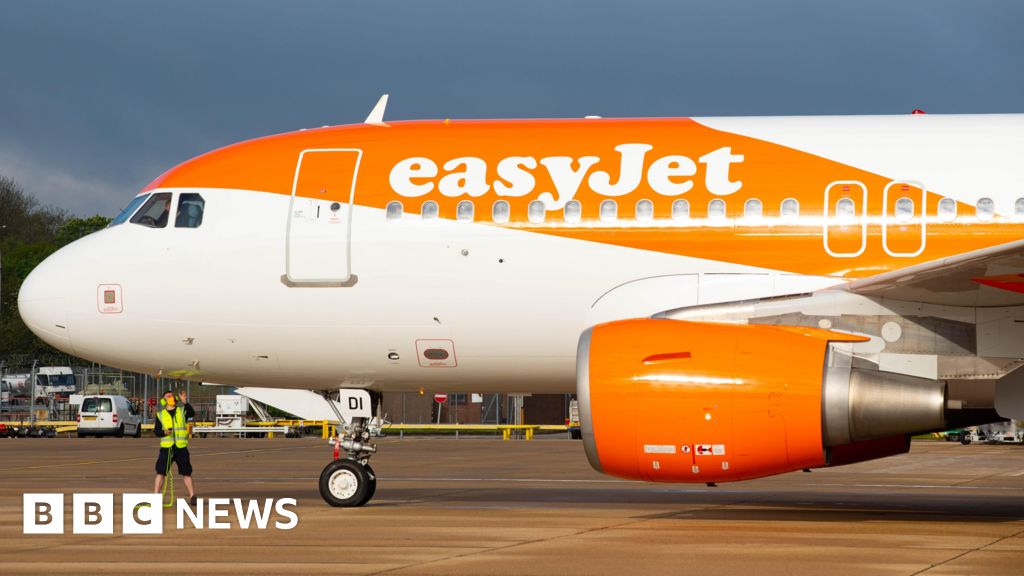
On April 11th, five passengers on an EasyJet flight from Southend Airport to Malaga were asked to leave the aircraft because the plane was too heavy to take off safely. According to the airport, this event was not unprecedented, raising questions about the circumstances behind such occurrences. The key issue revolves around the complex balance of forces that allow an aircraft to become airborne, including gravity, lift, thrust, and drag.
The interplay between these forces is influenced by several factors, especially weather conditions. In hotter weather, the air becomes less dense, which reduces both the thrust generated by the plane’s engines and the lift created by the wings. To generate sufficient lift, air pressure beneath the wings must exceed the pressure above them, a process dependent on wing angle, air density, and the plane’s speed or thrust. When air molecules are more dispersed, these factors become more challenging to optimize, making take-off more difficult.
Professor Guy Gratton from Cranfield University suggests the particular challenge for EasyJet’s flight EJU7008 was wind direction. He explains that “the wind, being 50° off the runway heading, would give almost no headwind.” Typically, Southend’s runway benefits from winds aligned with its direction, which assists planes in achieving lift more quickly. Without this helpful headwind, the plane needed more runway to reach the necessary thrust. Unfortunately, Southend’s runway is relatively short at 1,856 meters, unlike longer runways such as Stansted’s 3,049 meters or Luton’s 2,162 meters. With no possibility to extend the take-off roll, the solution was to reduce the plane’s weight by having some passengers disembark, a measure that Gratton describes as “straightforward” and necessary for safety.
Though not a common occurrence, asking passengers to leave the plane due to weight restrictions happens occasionally, especially at airports with shorter runways. The flight’s weight issues arose despite airlines using an average passenger weight for calculations. A 2022 study by the European Union Safety Aviation Agency found that the mean passenger weight, including carry-on luggage, is around 84 kg. In this case, the estimated total weight was insufficient, leading to the overload. Aviation expert Jeremy Spake notes that “saving almost 600kg in weight might not sound much but it can be the difference in getting off the runway without issue.” The situation for flight EJU7008 was unusual because the problem was identified only after boarding, whereas typically passengers are asked to switch flights before they get on the plane.
Looking ahead, the effects of climate change could worsen situations like this. Runways are generally aligned with prevailing historical wind patterns to benefit from headwinds during take-off. However, as Gratton points out, “climate change is moving the wind out of alignment with the runways, and thus reducing the useful headwind.” His research at Greek airports highlights particular challenges for airports with short, single runways similar to Southend. Since airlines cannot control weather or runway length and orientation, they may need to introduce larger safety margins in weight calculations in the future to reduce last-minute disruptions for passengers
Read the full article from The BBC here: Read More
Auto Amazon Links: No products found. Blocked by captcha.