Auto Amazon Links: No products found.
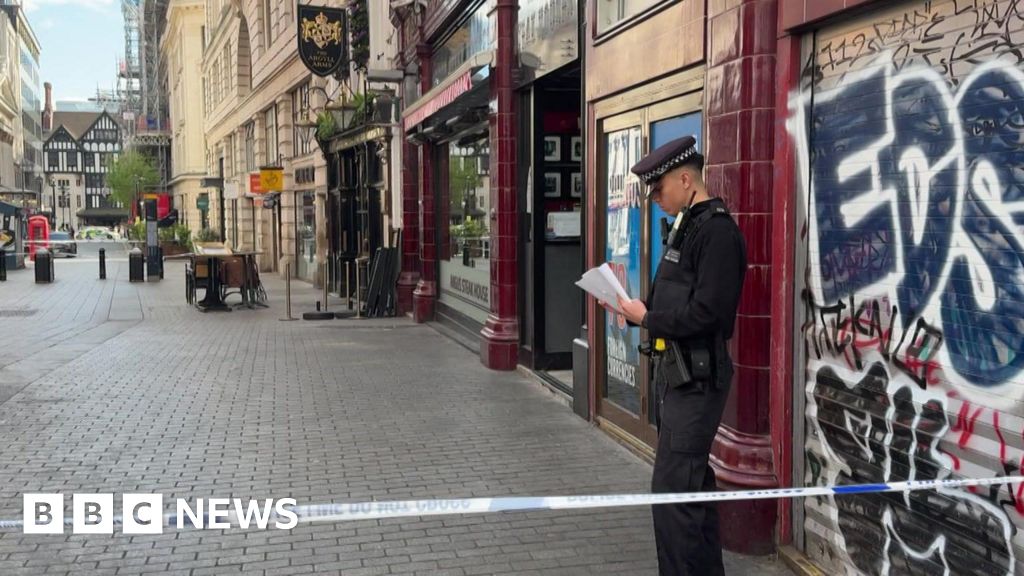
A sequence of six 24-hour strikes by London Underground drivers is scheduled to take place, beginning later this month. These stoppages arise from opposition by members of the Rail, Maritime and Transport (RMT) union to a proposed shift to a four-day workweek with compressed hours—a move already accepted by the Aslef union. The first planned strike will start at 11:59 BST on Tuesday, 21 April, resulting in the closure of two Tube lines.
The RMT union has expressed concerns about the length of shifts, the nature of the working time arrangements, and the potential safety risks posed by driver fatigue. In contrast, Transport for London (TfL) considers the strikes “completely unnecessary” and is currently trialling a voluntary four-day week for drivers on the Bakerloo line as part of its efforts to test new working patterns.
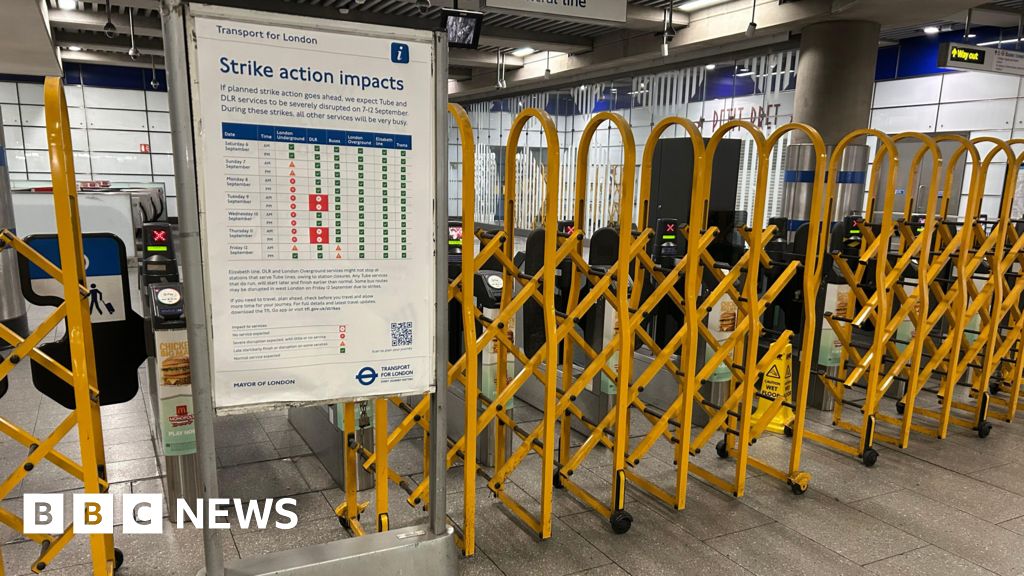
During the strike periods, passengers can expect significant disruption, particularly on certain lines. The Piccadilly and Circle lines will not operate at all, nor will the Metropolitan line between Baker Street and Aldgate. On the Central line, services will be suspended between White City and Liverpool Street. The full impact of the strikes will vary depending on the day, with services being reduced progressively as each strike begins and eases as it ends. For example, on Tuesday 21 and Thursday 23 April, Tube services will start normally in the morning but will increasingly reduce from midday, advising commuters to complete journeys by 20:00. On Wednesday 22 and Friday 24 April, the strikes conclude at midday, with the morning commute heavily affected and services resuming later from around 07:30 onward.
Only drivers who belong to the RMT union, approximately half of all Tube drivers, will take part in the strikes. This contrasts with last year’s widespread walkout, where cooperation between RMT and Aslef brought nearly all Underground services to a halt. The core dispute centers on working hours: while TfL offers a voluntary reduction of the working week from 36 to 35 hours by introducing paid meal breaks—effectively longer days but fewer of them—the RMT rejects this proposal. The union argues these longer shifts would cause fatigue and compromise safety, instead demanding a 32-hour, four-day week without a reduction in pay.
TfL has stated that drivers may opt to remain on the current five-day working week if they prefer, emphasizing the voluntary nature of the arrangement. Members of Aslef, representing slightly more drivers, have accepted the compressed four-day week, noting that it grants participating drivers 35 extra days off annually in exchange for some minor changes in working conditions. An Aslef spokesperson remarked, “It will be the first strike in the history of the trade union movement designed to stop people having a shorter working week and more time off,” expressing surprise at RMT’s action.
Negotiations between the RMT and TfL collapsed, leading to the confirmation of the strike dates. Jared Wood, RMT’s London transport regional organiser, described negotiations as “extraordinary,” noting that despite a temporary suspension of strike action to facilitate talks, TfL has remained firm in its position without offering further changes. “It’s left our members in a position where they feel there is absolutely no alternative but to proceed with the strike action,” he said. Eddie Dempsey, the union’s general secretary, criticized TfL’s stance, saying it “will infuriate our members who want to see a negotiated settlement to this avoidable dispute.”
On the other side, TfL’s chief operating officer Claire Mann defended the proposals, explaining they allow train operators an extra day off while aligning London Underground’s working patterns with other train companies to enhance reliability and flexibility at no extra cost. She reiterated that the changes are voluntary and that those wishing to continue a five-day week could do so.
The last Tube strikes involving drivers occurred in September and were triggered by disagreements over pay and conditions. Those actions caused severe disruption across London’s transport network, pushing many commuters to alternative modes of travel like e-bikes to navigate the city
Read the full article from The BBC here: Read More
Auto Amazon Links: No products found.