Auto Amazon Links: No products found.
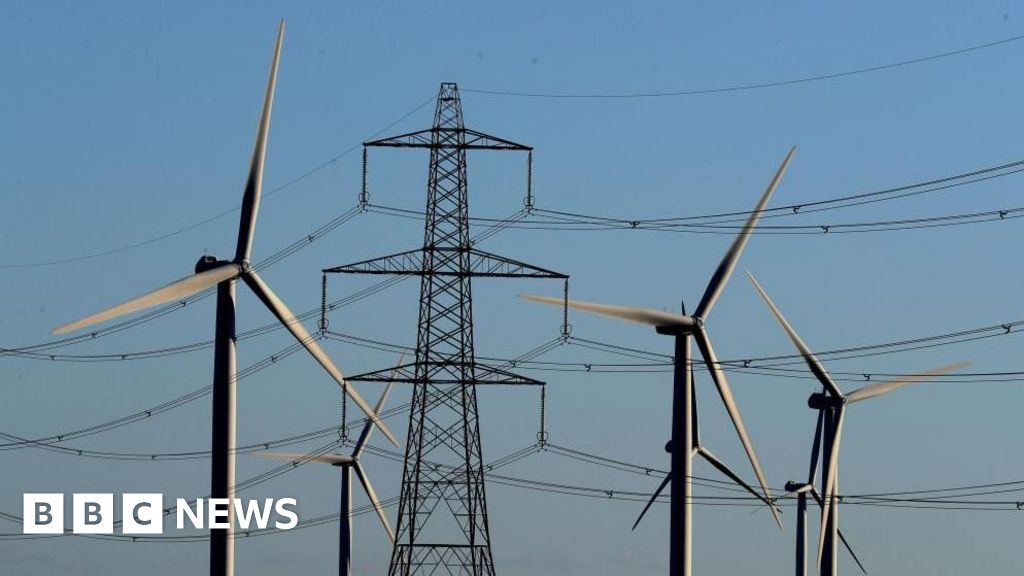
The government is set to unveil on Tuesday a strategy aimed at reducing the dependence of electricity prices on the highly variable cost of gas, a move intended to shield consumers from energy price shocks brought about by international crises. This initiative focuses on transitioning some older renewable energy providers onto fixed-price contracts instead of the existing arrangement, where payments often fluctuate with gas prices.
The proposed switch is anticipated within the coming year, with the goal of stabilizing electricity costs and lessening their vulnerability to sudden spikes in fossil fuel prices. Although the government has not specified exact savings figures, officials believe the impact on consumer bills could be substantial. Conservatives have criticized this approach, arguing that opposing party targets might increase household energy costs.
Chancellor Rachel Reeves and Energy Secretary Ed Miliband are expected to present separate announcements detailing the changes. In his forthcoming speech, Miliband will emphasize the critical role clean energy now plays in securing financial stability, energy independence, and national security for Britain and other nations. He plans to urge the government to intensify efforts in expanding clean power, highlighting the urgency driven both by the ongoing conflict in the Middle East and the challenges posed by climate change.
Under the current pricing model, the wholesale electricity market determines prices based on the final unit of electricity needed to meet demand, which in Britain typically involves gas. Thus, when gas prices surge, electricity bills rise concomitantly. While the government has chosen not to overhaul the entire system for the time being—recognizing gas’s continuing necessity when renewable sources are insufficient—older renewable projects (which supply roughly one-third of the nation’s electricity) will be encouraged to adopt fixed-price contracts. This shift is expected to protect consumers from volatility and produce savings, although a formal consultation process will precede implementation, aiming for enactment within about a year.
Additionally, the chancellor may announce an increase to the existing windfall tax on electricity generators, introduced in 2023, which applies to certain producers benefiting from older renewable contracts and potentially large profits during gas price surges. The government hopes this tax adjustment will encourage voluntary adoption of fixed-price contracts, which would not be subject to the windfall tax. Miliband will also highlight plans to reform planning regulations, easing the installation of electric vehicle charging points for those without private driveways and enabling more businesses to set up solar panels.
Responses from political figures have been mixed. Shadow Energy Secretary Claire Coutinho criticized the government for adding “cost after cost onto people’s electricity bills,” pointing to existing taxes and levies. Meanwhile, Liberal Democrat energy spokesperson Pippa Heylings urged the government to act decisively in unlinking electricity prices from gas costs, stressing that households should benefit from the increasing supply of affordable renewable energy. Green Party spokesperson Carla Denyer expressed relief at the announcement but faulted the government for reacting too slowly, noting that nearly two years have passed since the last election without ahead-of-crisis measures. Plaid Cymru welcomed the initiative but called for more extensive reforms, warning that as long as electricity prices remain tied to gas, consumers and businesses will endure high costs. Efforts to obtain comments from Reform UK and the SNP at this time have not been successful
Read the full article from The BBC here: Read More
Auto Amazon Links: No products found.