Auto Amazon Links: No products found.
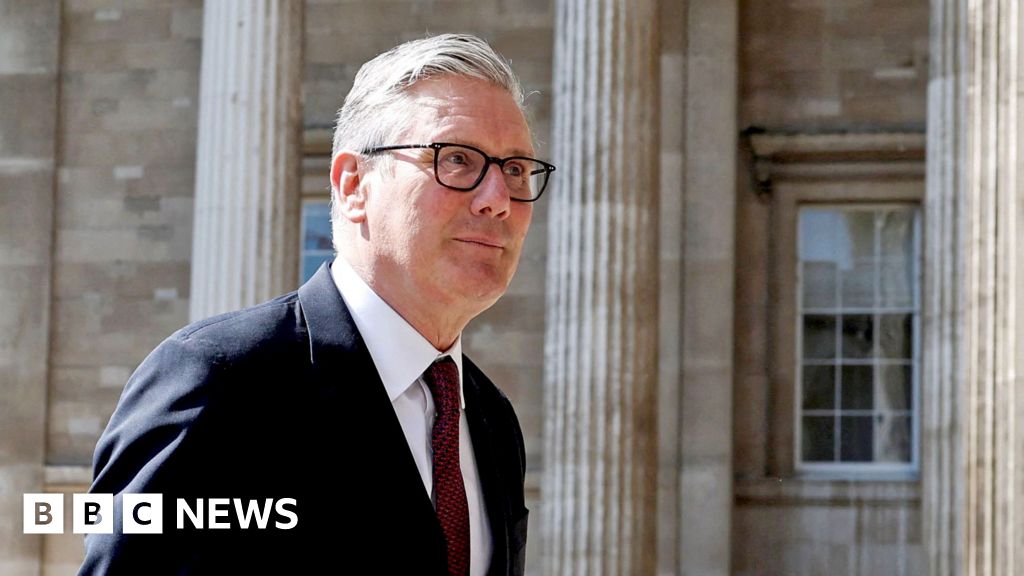
Sir Keir Starmer is currently facing criticism after the dismissal of Sir Olly Robbins, the senior civil servant at the Foreign Office, amid controversy over the vetting of Lord Mandelson’s ambassadorial appointment in Washington. This move has drawn the ire of senior union officials who accuse the Prime Minister of creating a “real chill throughout the civil service.” Robbins, who gave evidence to the Foreign Affairs Select Committee shortly before his firing last week, was the permanent under secretary at the Foreign Office.
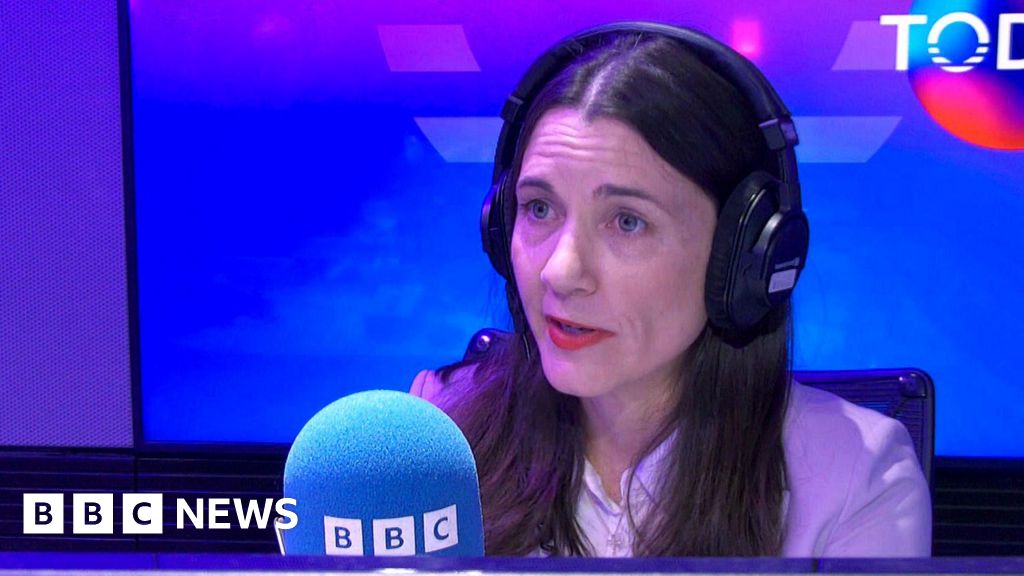
Dave Penman, head of the FDA trade union representing civil servants, expressed concerns about the Prime Minister’s relationship with the civil service. Speaking to BBC Newsnight, Penman said, “I think the prime minister is losing the ability to work with the civil service,” adding, “Who in the civil service would now think they would be immune from when it is politically expedient to be dismissed?” He also warned that such a scenario “isn’t a place any government wants to be because it doesn’t deliver for the people of the country.” Despite the tensions, Sir Keir sought to downplay the conflict during a session with MPs, stating, “We have thousands of civil servants who act with integrity and professionalism every day.”
The dispute between Downing Street and civil service unions follows the fallout from the revelations surrounding Lord Mandelson’s appointment last year. Lord Sedwill, who led the civil service from 2018 to 2020 and previously served as National Security Adviser, publicly urged the Prime Minister to reconsider his accusations and reinstate Sir Olly Robbins. In a letter to The Times, Sedwill defended Robbins’ professional judgment, explaining that he weighed the risks of granting Mandelson access to sensitive intelligence and concluded that those risks could be managed, a decision Sedwill noted Robbins took responsibility for rather than avoiding.
Supporters of the Prime Minister argue that Robbins’ testimony actually clears Sir Keir of prior knowledge concerning the veto details, including critical conclusions Robbins had been briefed on. Robbins himself defended his choice not to disclose this information, saying it was necessary to protect the integrity of the vetting system. Adding to the complexity, Dame Emily Thornberry, Labour MP and chair of the relevant select committee, stated after the hearing that she agreed losing his position was the correct outcome for Robbins. The ongoing public and parliamentary scrutiny of the case has only intensified pressure on Starmer, with more documents expected to emerge and questions remaining over the Prime Minister’s handling of the situation
Read the full article from The BBC here: Read More
Auto Amazon Links: No products found.