Auto Amazon Links: No products found.
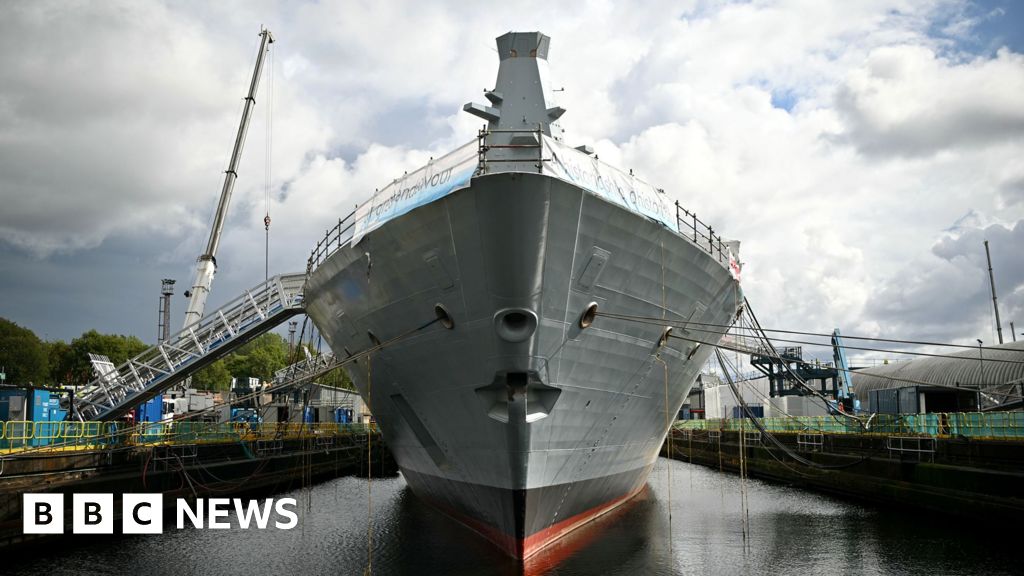
Construction of Type 26 frigates is underway in Glasgow, where shipyards are simultaneously working on vessels for both the Royal Navy and Norway. At the BAE Systems facilities along the River Clyde, five of these sophisticated anti-submarine warships are currently at various stages of assembly, with plans yet to commence for an additional three ships.
Norway secured a historic £10 billion contract last summer to acquire at least five Type 26 frigates, marking the largest export deal for UK warships to date. Defence Minister Luke Pollard explained that some building slots originally intended for the Royal Navy have been allocated to fulfill the Norwegian agreement. However, he reassured that the Royal Navy’s total order of eight ships will not be compromised. Additional orders will ensure the Royal Navy receives its full complement as outlined in the Defence Investment Plan.
Highlighting the cooperative nature of this arrangement, Pollard emphasized to Members of Parliament that the Royal Navy and Norwegian fleets will form a “truly interoperable, interchangeable force.” He noted, “The only difference between a Royal Navy Type 26 and a Norwegian Type 26 will be the language on the signs,” underscoring the seamless integration central to the recently signed defence agreement between the UK and Norway.
The first ship in this new frigate class, which began construction in late 2022, is currently being outfitted at the Scotstoun yard after being moved from Govan. Meanwhile, the second vessel, HMS Cardiff, also undergoes assembly at Scotstoun, and HMS Belfast alongside HMS Birmingham are taking shape inside a large assembly hall at Govan. Steel cutting for the fifth ship, HMS Sheffield, started towards the end of 2024. These Type 26, or City Class, frigates are designed for specialized anti-submarine operations to safeguard carrier groups and are equipped with state-of-the-art sonar, radar, and advanced helicopter capabilities. The joint orders from the UK and Norway are anticipated to maintain shipbuilding activity on the Clyde well into the 2030s, supporting over 3,000 shipyard workers across the two Glasgow yards
Read the full article from The BBC here: Read More
Auto Amazon Links: No products found.