Auto Amazon Links: No products found.
A mother from Cornwall made the difficult decision to give up her job to care full-time for her daughter, who suffers from severe food allergies. The ongoing stress of managing life-threatening allergic reactions overwhelmed her, especially after a terrifying incident during a family holiday in Italy. When her daughter, Molly, was just one year old, she had a severe allergic reaction after eating at a restaurant, which left her very lethargic and unresponsive. This frightening episode required the immediate administration of an adrenaline pen and a hospital visit, and it left a lasting impact on the family.
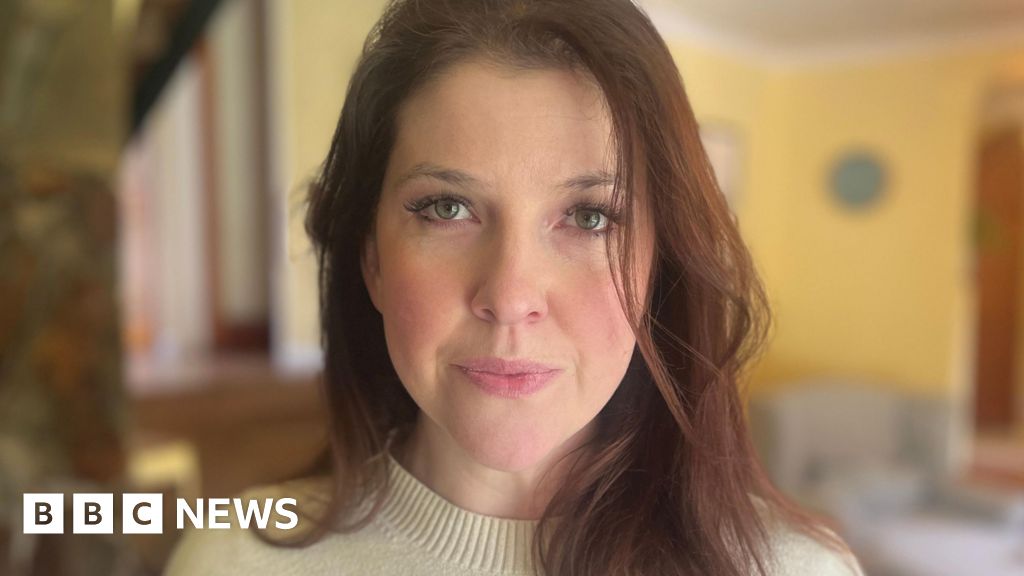
Molly’s allergies to milk, egg, and some nuts have caused multiple dangerous situations despite careful precautions taken by her mother, including explaining risks to restaurant staff and using translation cards. A year after the initial reaction abroad, Molly suffered another severe reaction in England from eating a muffin containing milk. After this second incident, her mother, Katy, decided she could no longer trust anyone else to manage her daughter’s condition, prompting her to resign from her job as a lawyer. This decision, made just as she was returning to work after maternity leave for her second child, has significantly reduced the family’s income and placed additional emotional and financial strain on them.
Experts highlight that food allergies are an escalating public health concern, with the sharpest increase in cases among children under five. Emergency admissions for food-related anaphylaxis have doubled over the past two decades, drawing attention to the growing demand for effective treatment options. Oral immunotherapy (OIT) is a promising treatment that involves gradually exposing patients to small amounts of the allergen to build tolerance. While some NHS hospitals have started charity-funded programs offering OIT using common foods, widespread access remains limited due to questions about treatment effectiveness and resource constraints within the health system.
Katy’s experience reflects broader systemic challenges; although Molly was referred for milk OIT by her local NHS trust, the waiting list is currently over two years long, and the treatment center is located far from their home, with no guarantee of acceptance. This highlights a significant gap in care accessibility, forcing some families to bear substantial out-of-pocket expenses or decline potentially life-changing therapies. As the demand for better allergy management grows, calls for increased NHS funding and expanded access to treatments like OIT are intensifying to support millions affected by these serious conditions
Read the full article from The BBC here: Read More
Auto Amazon Links: No products found.