Auto Amazon Links: No products found.
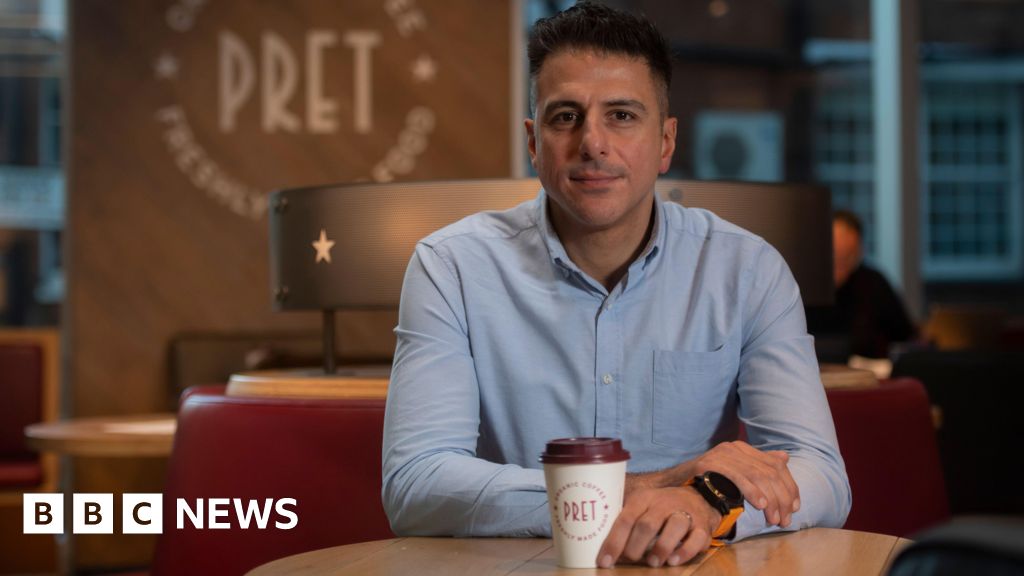
The CEO of Pret A Manger, Pano Christou, has gained valuable insights into customer habits, observing notable shifts especially in lunch and commuting behaviors. People appear to be seeking out healthier options like more salad while still valuing flexibility and opportunities for human connection. Christou highlights that while the trend towards nutritious, protein and fiber-rich meals is growing, customers remain motivated by the desire for good value in their daily choices.
Despite these evolving customer preferences, Pret has continued to face challenges, including a reputation for being more expensive compared to other High Street chains. The company also grapples with broader economic pressures such as inflation, the impacts of budgetary measures, and a changing pattern of commuter behavior following the Covid-19 pandemic. Pret has responded by experimenting with its pricing and offerings, notably through the modification of its subscription model. Originally launched during the pandemic at £20 per month with generous perks, the subscription has since been revised to a more affordable £5 monthly fee offering up to five half-price drinks daily. Christou notes a nearly 25% increase in subscriptions over the past year despite some criticism regarding the reduced generosity of the scheme.
A particular area of interest is Pret’s “Super Plates” range—a selection of nutrient-dense salads costing up to £12.95. While these salads have stirred some debate due to their price, Christou explains that there is a clear industry-wide movement toward consuming less bread. Yet, traditional bread-based items still dominate Pret’s most popular product list, comprising over half of the top 20 bestsellers, even as the Super Plates have exceeded sales expectations by 40%. Interestingly, sales of these larger salads tend to peak in the evenings, as they are viewed as satisfying meal options after work.
Workplace habits are also shifting, impacting Pret’s business footprint. Christou notes a gradual but sustained return to office environments, though not to the pre-pandemic five-day workweek, with Fridays remaining notably quieter in city center and transport hub locations where most Pret stores are found. Although the company aims to adapt by reconsidering store locations, change is slow. The emphasis on balancing flexibility with human connection is vital for employees and customers alike. Meanwhile, Pret contends with rising operational costs due to global events and inflation but plans to avoid passing these increases onto customers for now, recognizing that many people are seeking value more than ever amid tightened budgets. How these economic and cultural shifts will ultimately affect consumer willingness to pay for convenience remains uncertain
Read the full article from The BBC here: Read More
Auto Amazon Links: No products found.