Auto Amazon Links: No products found.
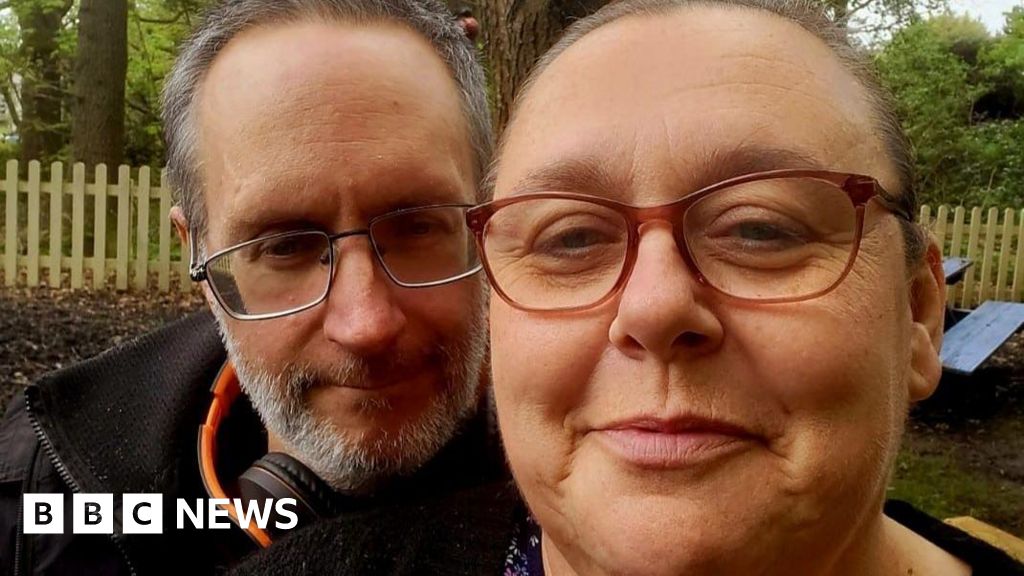
Kirsty Parsons first noticed something was wrong when she observed how her husband Jim walked across an airport car park. Despite it being a dreadful, windy day, Jim seemed unusually relaxed, strolling slowly with hands in his pockets and no arm movement—what Kirsty later recognized as the distinctive “Parkinson’s walk.” At just 44 years old, Jim was diagnosed with Parkinson’s disease, a progressive neurological condition with no current cure. From that moment, Kirsty, then 46, became his unpaid caregiver for more than a decade.
As Jim’s condition deteriorated, Kirsty faced continuous challenges in securing the additional social care he required. Jim developed several complications related to Parkinson’s and eventually needed constant assistance. Kirsty gave up her job as a carer to look after him full time, shifting from earning two incomes to none. She described having to become more of a parent than a partner as Jim experienced hallucinations, pain, and even violent outbursts. Despite her repeated applications for increased support through Trafford Council, it often took months for more care hours to be arranged. It was not until December 2025, after about a year of fighting for full-time care, that Jim finally received it—only to pass away a week later.
Social care represents a significant portion of local government spending in England. According to BBC analysis, adult social care made up roughly 40% of net service expenditure by English councils in the 2024-25 financial year. However, there remains a substantial backlog, as the Association of Directors of Adult Social Services (ADASS) estimated that 372,000 adults were still waiting for social care services as of March 31, 2025. Although this figure is an improvement from the 2022 post-pandemic peak of over 542,000, ADASS president Jess McGregor urged caution, noting that not everyone needing care is captured in these statistics. Some individuals may not even recognize their need for social care or may face higher eligibility thresholds set by councils.
Local authorities like Trafford Council, where Kirsty lives, bear responsibility for adult social care provision. In 2024-25, Trafford allocated 45% of its net service spending to adult social care, exceeding the national average of 41%. While the council said it could not comment on individual cases, it highlighted ongoing efforts to improve access through better referral processes and prioritization of safeguarding. Kirsty praised a local Parkinson’s nurse who helped advocate on Jim’s behalf but expressed frustration with the hurdles faced in obtaining timely support. Broader concerns about the social care system’s funding and sustainability were voiced by Kirsty McHugh, chief executive of Carers Trust, who emphasized the need for a national dialogue on what should be funded by the state versus individuals and families. A government spokesperson acknowledged these challenges, pointing to increased funding commitments and plans for a national conversation on adult social care, including support for unpaid carers
Read the full article from The BBC here: Read More
Auto Amazon Links: No products found.