Auto Amazon Links: No products found.
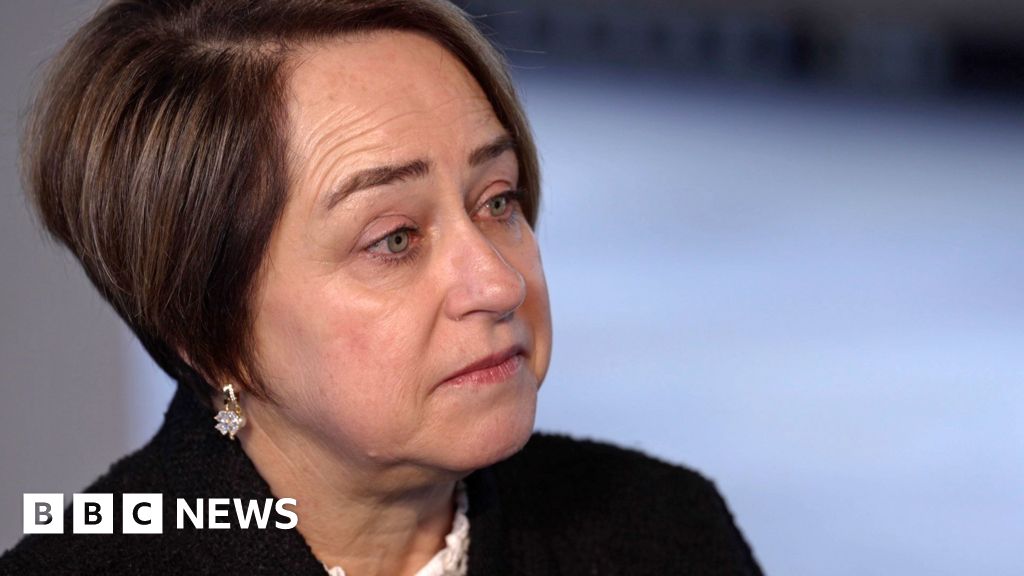
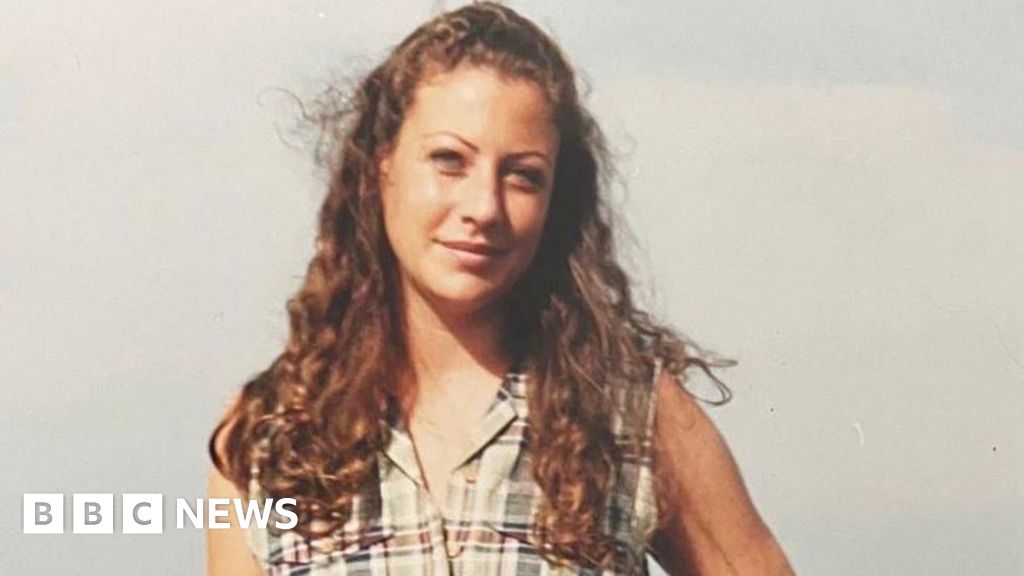
The Home Office has officially recognized for the first time that a woman subjected to abuse by Mohamed Al Fayed is a victim of modern slavery, according to information obtained by the BBC. Rachael Louw, who has chosen to waive her anonymity, was trafficked and abused by both the former Harrods owner and his brother, Salah Fayed. She expressed feelings of “vindication” and “validation” now that the British government has formally acknowledged her case.
The National Referral Mechanism (NRM), the government’s framework to identify victims of modern slavery, has also seen at least three other women referred for similar investigations. These women are anticipating comparable positive rulings. When a person receives a “conclusive grounds” decision under the NRM, they are officially considered a victim of modern slavery. Legal experts note that this confirmation strengthens the credibility of witnesses in criminal proceedings and may influence police investigations.
The Modern Slavery Act 2015 defines human trafficking as the arrangement or facilitation of travel within or across borders for exploitation purposes. Over hundreds of complaints have been made against Mohamed Al Fayed, owner of the luxury Harrods store in London from 1985 to 2010, accusing him of rape, sexual assault, and trafficking. His brother Salah Fayed has faced similar allegations. Mohamed Al Fayed died in 2023 at age 94 without ever being charged, while Salah Fayed passed away in 2010.
For Ms. Louw, this official recognition marks an initial move towards achieving justice for those who enabled her trafficking and abuse. She reflected, “It was an odd feeling to feel positive about an acknowledgement of something that was so intrinsically negative. But it is vindication and validation.” The NRM, established in 2009, allows first responders such as police and social workers to refer suspected victims of trafficking and exploitation for government review. Initially, the Home Office makes a “reasonable grounds” assessment before a final “conclusive grounds” ruling is issued.
Louw’s case revealed she endured sexual exploitation not only in the UK but also in various regions of France over a three-year span. At least four women associated with allegations against Al Fayed have currently received positive “reasonable grounds” decisions and await final outcomes. These referrals have been supported by the anti-slavery charity Unseen. Louw emphasized the critical role of survivor support groups, particularly No One Above, in helping her navigate the process, noting that the Metropolitan Police failed to take the trafficking aspects of her report seriously or direct her to the NRM when she came forward in 2024.
A spokesperson for No One Above highlighted the significance of the Home Office’s decision, stating: “The government has recognised what survivors and experts said from the start: this was trafficking. NOA campaigned tirelessly for this – because only a trafficking investigation can gather the evidence needed for meaningful accountability.” Meanwhile, the Metropolitan Police have expanded their investigation to include human trafficking, adding officers experienced in modern slavery and planning to connect with victims eligible for referral. Earlier in the year, police confirmed the interviewing under caution of four individuals linked to alleged offences including human trafficking for sexual exploitation and facilitating rape. To date, 154 victims have come forward reporting sexual assault, rape, and exploitation allegations connected to this case.
The Home Office has declined to confirm specific details about NRM referrals or individual cases but stated that the home secretary is committed to improving cooperation among agencies and addressing systemic concerns raised by survivors
Read the full article from The BBC here: Read More
Auto Amazon Links: No products found.