Auto Amazon Links: No products found.
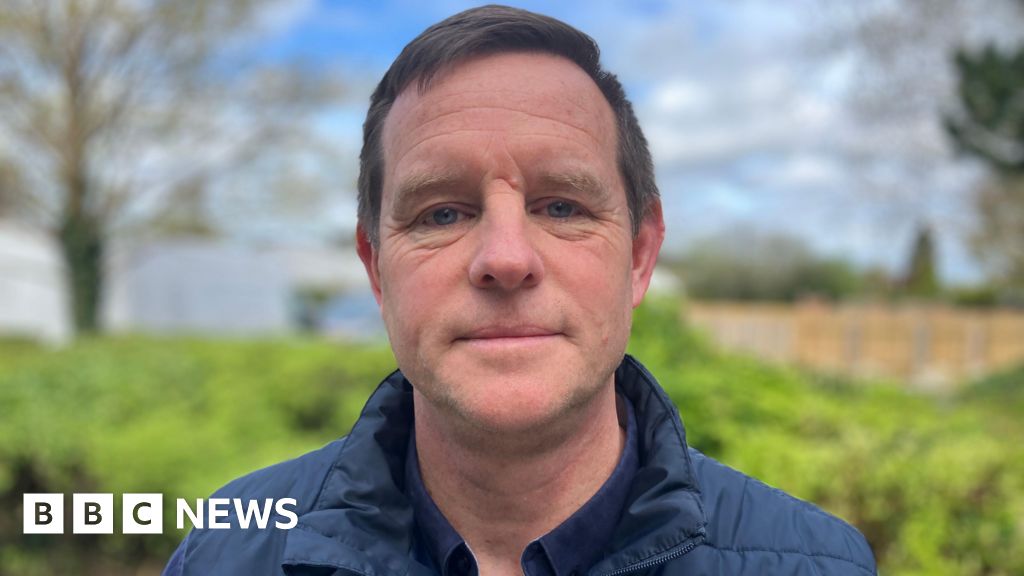
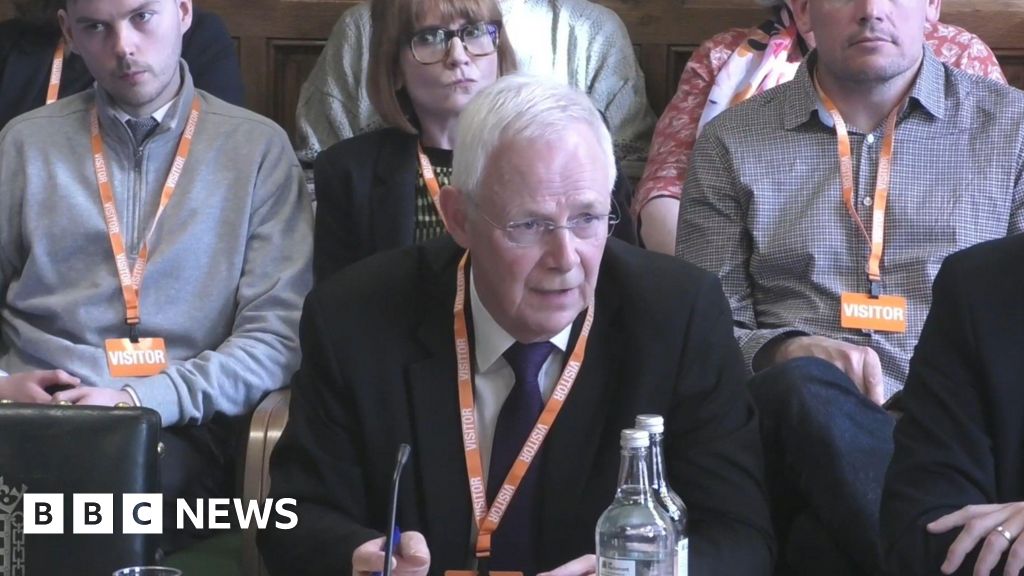
The chairperson of South East Water (SEW), Chris Train, has resigned following a critical report addressing significant supply problems that left tens of thousands of households without drinking water. Train, who served as the independent non-executive chair since 2022, stepped down amid sharp criticism that described the company’s leadership as an “unaccountable clique.” SEW emphasized that new leadership is necessary to guide the company through a crucial phase of positive and transformative change.
This development arises as a cross-party group of MPs expressed a lack of confidence in SEW’s executives after a series of severe supply disruptions. The Environment, Food and Rural Affairs Committee condemned the company’s chief executive, David Hinton, and the board for failing to resolve ongoing operational failures. During November and December, around 24,000 customers across Kent and East Sussex experienced interruptions, followed weeks later by another disruption affecting up to 30,000 households for several days. In response, interim chair Lisa Clement highlighted the company’s commitment to engineering and operational enhancements aimed at improving network resilience and benefiting customers and communities.
The report published on Friday was highly critical of SEW, accusing it of weak governance and a culture lacking accountability. The Environment Secretary is reportedly reviewing all options to address the company’s issues, including consulting shareholders on their stance regarding the ongoing difficulties. The committee noted that while it is unusual for such scrutiny to be applied to private companies, the severity of SEW’s failures necessitated this firm stance, as the company seemed insulated from the repercussions of its poor performance.
SEW has announced plans to double investments in its water supply network over the next five years, covering areas including Kent, Sussex, Surrey, Hampshire, and Berkshire. The company issued an “unreserved apology” to affected customers and acknowledged the resulting erosion of public trust. MPs such as Tunbridge Wells representative Mike Martin have warned that SEW represents a significant risk to public health, calling for immediate leadership changes. Meanwhile, customer bills increased by 7% this April, taking the average annual charge to £324. The committee urged shareholders—including major investors like the Utilities Trust of Australia and NatWest Group pension fund—to intervene. The report also criticised the company’s poor handling of the Tunbridge Wells incident communication and highlighted that regulator Ofwat has identified SEW as having among the worst records for supply interruptions in the last decade, with a proposed fine of up to £22.46 million under consideration
Read the full article from The BBC here: Read More
Auto Amazon Links: No products found.