Auto Amazon Links: No products found.
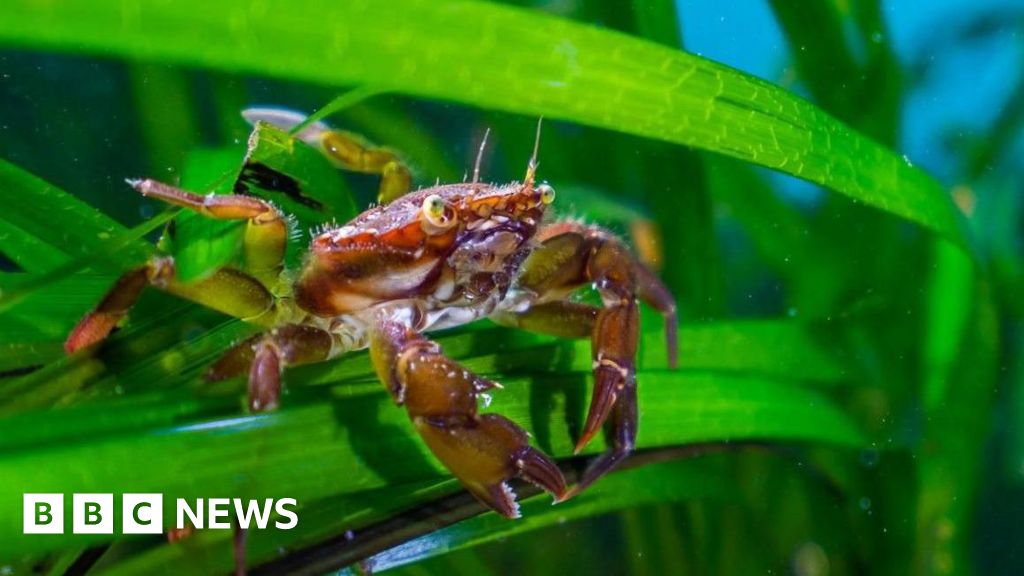
Recent research has revealed that pollution originating from sewage and agricultural sources in rivers is causing significant harm to marine ecosystems, particularly the underwater seagrass meadows along the British coast. These underwater habitats, which are normally rich in biodiversity, are suffering due to excessive nutrient levels in the water, a result of runoff containing fertilisers, manure, sewage, and industrial waste. This influx of nutrients disrupts the delicate balance of these ecosystems, leading to a marked decline in both the number and variety of small marine animals such as crabs, shrimps, and snails.
Dr Benjamin Jones from Project Seagrass, who collaborated on the study with Swansea University, emphasized the broader implications of these findings. He noted that while many people avoid swimming in polluted seas due to visible sewage contamination, this research is among the first to demonstrate how such nutrient pollution directly impacts marine animals as well. He described seagrass meadows as underwater forests and illustrated how the invertebrates inhabiting them function similarly to insects in terrestrial forests, playing crucial roles in maintaining the health of these environments.
The study examined 16 coastal locations around Britain that were affected to varying degrees by eutrophication—the process by which nutrient enrichment, particularly from nitrogen and phosphorus, stimulates excessive algae growth. This algal bloom suffocates seagrass beds by blocking sunlight and reducing oxygen levels in the water, damaging the habitat for the species that depend on it. According to Dr Richard Unsworth of Swansea University, the data shows a clear gradient where sites with higher nitrogen concentrations exhibited stark declines in marine invertebrate abundance and species diversity. Notably, increased nitrogen levels were linked to up to a 90% drop in invertebrate numbers per unit area, while phosphorus had particularly severe impacts in lagoon environments.
Among the worst-affected areas were the Thames estuary near Essex and the Firth of Forth on Scotland’s east coast, where algae-covered seagrass beds have suffered serious degradation. In Wales, concerns were raised about Skomer Island, a well-known wildlife sanctuary, which faces challenges from both seabird waste and human activities. In contrast, sites with clearer waters, such as the Isles of Scilly and the Orkney Islands, supported much healthier and more abundant marine life. Dr Unsworth highlighted the concerning connection between nutrient pollution entering rivers and its negative effects on coastal food webs that sustain fish and birds, asserting the importance of addressing land-based sources to protect marine biodiversity and productivity. Dr Jones echoed this, urging for integrated strategies that consider terrestrial inputs as key factors in safeguarding marine environments
Read the full article from The BBC here: Read More
Auto Amazon Links: No products found.