Auto Amazon Links: No products found.
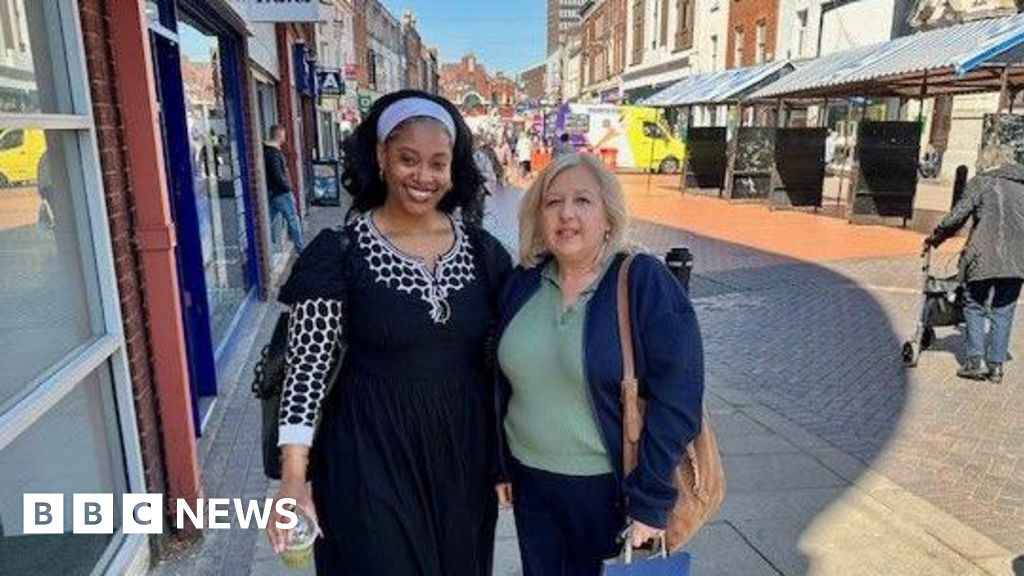
Across many towns in England, especially in regions like the West Midlands, the condition of High Streets is becoming a visible sign of wider economic and social challenges. In Walsall, for instance, shoppers and residents express a strong sense of disappointment with the decline they see around them. Debbie Tapper, a lifelong Walsall resident, reminisces about the bustling markets that once lined the High Street but now observes mostly shuttered shops and fewer stalls. Her pride in the town contrasts sharply with frustration about its current state, reflecting a broader feeling of neglect felt by many in similar communities.
The decline in town centres is largely attributed to shifts such as the rise of online shopping, the growth of retail parks outside urban centres, and broader economic changes. According to Luke Tryl, UK director of polling company More in Common, the public often interprets the state of the High Street as a direct reflection of their local area’s wellbeing. He notes that signs of neglect contribute to a wider malaise, eroding residents’ confidence and fostering a perception that their communities have been forgotten. Sharday Hodges and Carmel Yates, local shoppers, highlight practical barriers like high rents and parking fees that discourage both businesses and consumers, compounding issues related to economic deprivation and job scarcity.
Efforts have been made to rejuvenate these High Streets through government funding and innovative plans involving housing and public services. However, for many residents, change is painfully slow. Sharday emphasizes the frustration by pointing out that long-term plans, such as Walsall’s strategy extending to 2040, feel insufficient when immediate improvements are needed. This phenomenon is not unique to the Midlands; research from the think tank Centre for Cities shows stark contrasts in High Street vitality, with wealthier areas like London experiencing lower vacancy rates than more deprived towns such as Bradford. Ant Breach, director of policy and research at the think tank, describes High Streets as a “visible barometer” of local economic health and stresses that voters expect more substantive intervention than superficial fixes.
Political leaders across the spectrum acknowledge the urgency of the High Street crisis and propose various policy responses. Communities Secretary Steve Reed highlights the importance of revitalising town centres to restore public trust in politics, describing the visible decay as a source of community anger. The government has launched initiatives worth hundreds of millions of pounds, including schemes to limit bookmakers, bring empty retail properties back into use, and strengthen trading standards. Meanwhile, the Conservative Party aims to ease the financial burdens on businesses through tax cuts and policing improvements. Opposition parties such as the Liberal Democrats and the Green Party also offer strategies focused on cutting VAT, enhancing safety, and empowering local authorities to take decisive action. Despite the diversity of approaches, the growing sense of neglect and frustration among voters illustrates that revitalising High Streets remains a formidable and politically significant challenge
Read the full article from The BBC here: Read More
Auto Amazon Links: No products found.