Auto Amazon Links: No products found.
The United Nations health agency has clarified that the recent hantavirus outbreak aboard a cruise ship does not signal the beginning of a new pandemic. Maria van Kerkhove, an infectious disease expert at the World Health Organization (WHO), explained at a news conference that this situation differs fundamentally from the Covid-19 pandemic experienced six years ago, largely because hantavirus spreads only through “close, intimate contact.”
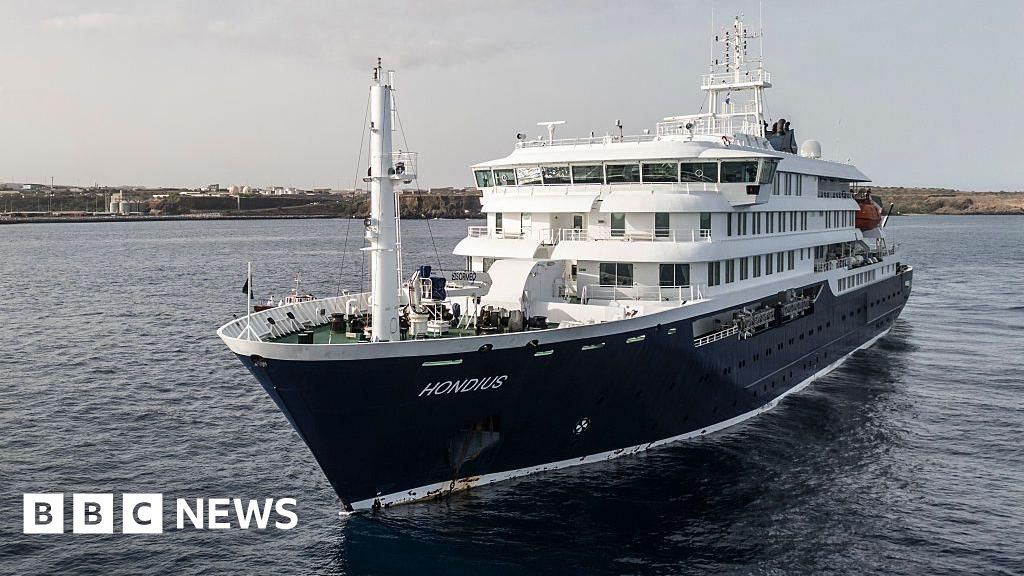
Authorities are currently engaged in tracking dozens of individuals who have recently disembarked from the Dutch cruise ship MV Hondius. The WHO reported on Thursday that out of eight suspected hantavirus cases, five have been confirmed. Tragically, three deaths have occurred so far, including that of a 69-year-old Dutch woman. The woman’s husband and a German woman, who also died, are under investigation to determine whether their deaths were caused by the virus.
Hantavirus is generally transmitted from rodents, but this incident marks the first time that person-to-person transmission has been documented, according to the WHO. The cruise, operated by Oceanwide Expeditions, set sail on April 1 from Ushuaia, Argentina, with about 150 passengers and crew members from 28 different countries aboard. Dozens disembarked in St Helena on April 24 during the voyage, which is scheduled to reach the Canary Islands in Spain by May 10. Van Kerkhove emphasized the distinct nature of this virus by stating, “this is not Covid, this is not influenza, it spreads very, very differently.” She also advised that everyone on board the MV Hondius wear masks, with those in close contact with suspected patients donning higher levels of personal protective equipment.
WHO Director General Tedros Ghebreyesus provided further context, noting that the first two confirmed hantavirus cases involved people who traveled through Argentina, Chile, and Uruguay on a bird-watching trip that exposed them to areas inhabited by the rodent species known to carry the virus. He acknowledged that more cases could emerge due to the disease’s incubation period, which may last up to six weeks. The WHO is collaborating closely with relevant authorities to monitor the situation and coordinate response efforts.
Oceanwide Expeditions announced that 29 passengers from at least 12 nationalities left the cruise ship in St Helena, including seven British nationals. Of these, two individuals are self-isolating in the UK, while others have not yet returned. Spanish officials confirmed ongoing talks with the UK to arrange a repatriation flight for British nationals once the ship arrives in the Canary Islands, and the United States has expressed willingness to send a plane to collect its citizens. Meanwhile, the Dutch government reported that the Dutch woman who disembarked at St Helena traveled to South Africa, where she passed away, and her husband had died earlier on April 11 aboard the ship, though his hantavirus infection is unconfirmed. Passengers from a related KLM flight between Johannesburg and the Netherlands are being monitored.
Additional fatalities include a German woman who died aboard the MV Hondius on May 2, but her hantavirus status remains unconfirmed. Several other passengers, including British, Dutch, and German nationals, have been evacuated from the ship and are undergoing testing and isolation protocols in various countries. Singapore is isolating and testing two men who disembarked at St Helena and shared a flight with the deceased Dutch woman; results are pending. In the United States, authorities in Georgia and Arizona are monitoring three passengers who returned after disembarking, none of whom have exhibited symptoms. Argentina’s health ministry is also conducting rodent testing in Ushuaia as part of their investigative efforts
Read the full article from The BBC here: Read More
Auto Amazon Links: No products found.