Auto Amazon Links: No products found.
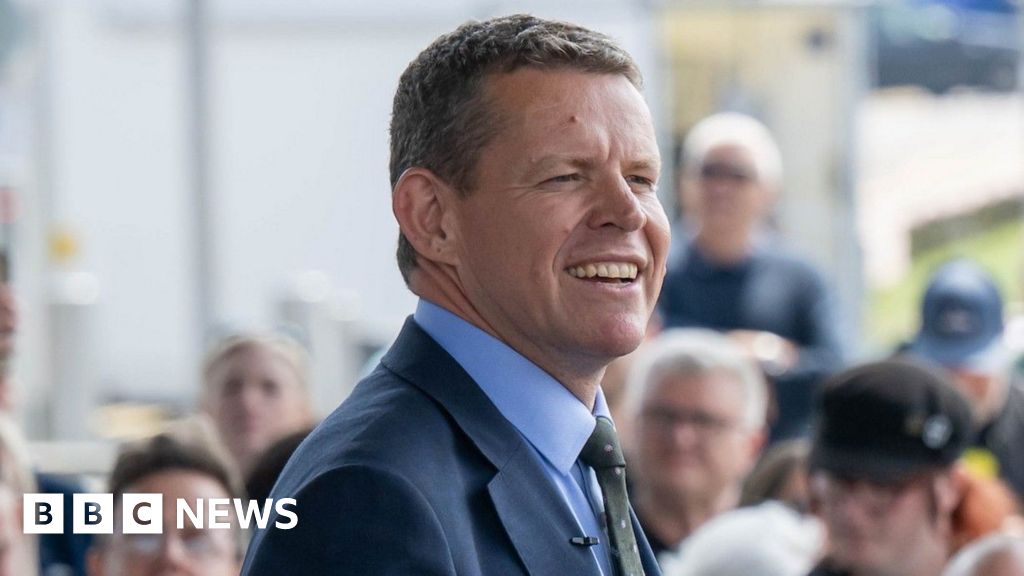
Plaid Cymru achieved a remarkable success in the recent Senedd election, overtaking Labour to become the largest party in Wales. Amidst celebrations, Plaid Cymru leader Rhun ap Iorwerth declared his intention to establish a government solely with Plaid Cymru ministers. However, this poses a challenge since the party holds 43 seats, falling six short of a majority. Despite this, ap Iorwerth’s path to becoming first minister appears free of major obstacles for now.
The next formal step involves ap Iorwerth securing confirmation as first minister through a vote in the Welsh Parliament. Plaid Cymru aims to complete this process swiftly, ideally by Tuesday. The Senedd’s presiding officer must provide a 24-hour notice before a meeting can take place. Ap Iorwerth’s confirmation is expected, especially as Labour’s reduced group of nine members will likely abstain from the vote. The potential stance of the Conservatives remains unclear, but even with their support, they cannot outvote Plaid’s 43 seats. Meanwhile, the Liberal Democrats and Greens have declared they will not assist the Reform party.
Before choosing a first minister, members of the Senedd need to elect a new presiding officer to replace Elin Jones, also known as the Llywydd. Candidates such as Paul Davies from the Conservatives and Huw Irranca-Davies from Labour have been mentioned. This election is conducted by secret ballot and must take place prior to the first minister selection. Any complications in this process could delay ap Iorwerth’s appointment.
Following the formalities, ap Iorwerth faces the task of assembling his ministerial team. The number of ministers aside from himself will rise from 12 to 17, but it remains uncertain who will fill these roles. Observers speculate that long-serving Senedd members might seek ministerial responsibilities, although ap Iorwerth might assign different duties. For instance, Mabon ap Gwynfor, Plaid’s health spokesperson, could be a strong contender for health minister, though nothing is confirmed. The party will also need to organize committee leadership and coordinate inter-party agreements in the coming weeks.
Plaid Cymru has already outlined a plan for its first 100 days in office, focusing on priorities such as commissioning an independent review of NHS performance to address Wales’ substantial waiting lists. While some dismissed these plans as overly ambitious, ap Iorwerth will look to demonstrate tangible improvements in public services. Efforts to secure increased financial support from the UK government are anticipated, despite the difficult political climate following Labour’s election losses. Criticism from Labour over Plaid’s campaign spending promises, such as expanded childcare, has been met with assurances that the party’s proposals are financially viable. A new budget to reallocate funds for Plaid’s agenda may also be forthcoming.
For ongoing governance, Plaid must negotiate cooperation with other political parties to pass key legislation, especially the annual budget to avoid automatic spending cuts. This necessity raises questions about potential tension surrounding Plaid’s aim for Welsh independence. Although the party has ruled out holding a referendum during its first term to appeal to unionist voters, it plans to establish a commission to build the case for independence. This stance may complicate budget negotiations if funds are allocated towards independence-related initiatives. The Liberal Democrat leader Jane Dodds has stated opposition to spending on independence efforts, highlighting the delicate nature of inter-party dealings.
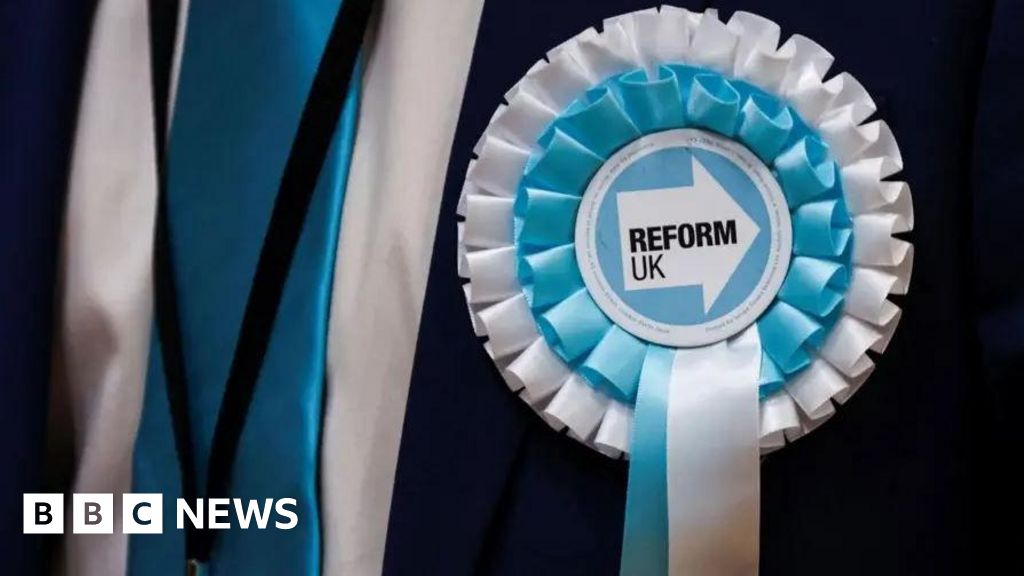
Plaid’s recent victory was driven by uniting voters determined to prevent the Reform party’s rise. Previously criticized for limited regional support despite branding itself as the “Party of Wales,” Plaid now has elected representatives throughout the country. The challenge ahead for ap Iorwerth and his party is to convert these newfound supporters into a durable electoral base and expand their influence across Wales in the years to come
Read the full article from The BBC here: Read More
Auto Amazon Links: No products found.