Auto Amazon Links: No products found.
The “Great British People” Facebook page, which claims to represent Yorkshire, has recently garnered significant attention, accumulating 1.3 million views on its latest video. This particular video features an elderly white British man expressing distress about his pension. Other videos on the page focus on topics such as “the overwhelming scale of mass immigration,” encouraging viewers to reflect on whether they miss the Britain they once knew. Despite the apparent local focus, the reality is more complex, as the account is actually managed by someone based in Sri Lanka, raising questions about the authenticity and motivations behind the content.
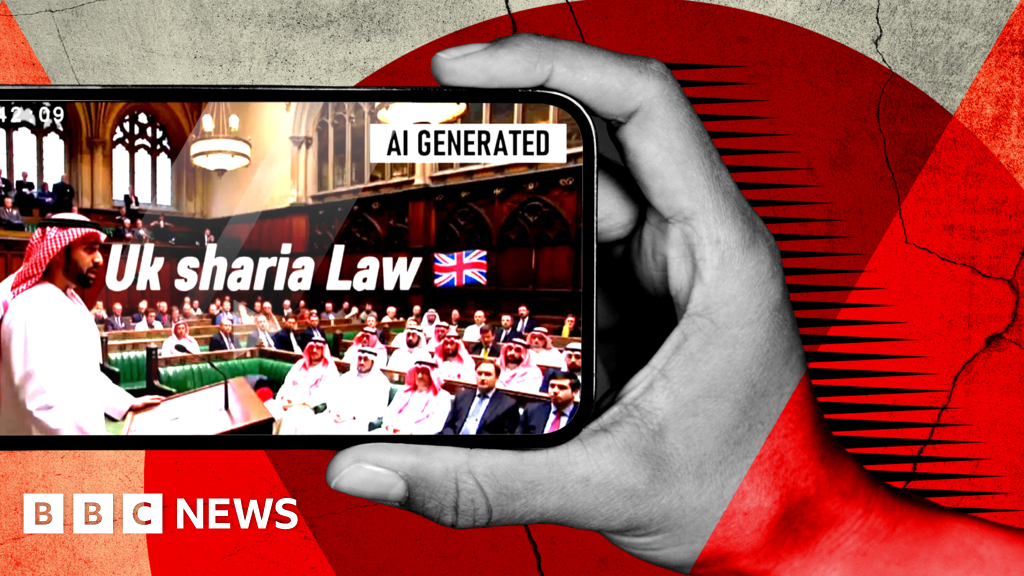
This account is just one among many interconnected Facebook and Instagram profiles producing and distributing AI-generated content that tends to promote anti-immigration narratives about the UK. Investigations by media outlets have revealed that many of these accounts operate far from the country they claim to represent, with creators based across the globe, including countries such as Sri Lanka, the US, Vietnam, the Maldives, and others. These accounts often pivot their content, sometimes shifting from themes like “Make America Great Again” to focusing on anti-immigration messages, and at times even occasionally sharing more sympathetic viewpoints towards migrants.
Experts have weighed in on the impact of such AI-generated content, noting that the public is generally less adept at distinguishing fake AI material than they might believe. Research suggests that increased exposure to AI fakes can actually lead to greater skepticism towards genuine information, complicating public discourse. Some officials, including prominent city leaders, have expressed concern about the damaging effect such content can have on the reputation of places like London. While some operators appear motivated purely by financial gain, others may be influenced or supported by hostile foreign states, according to available assessments.
Overall, the rise of AI-driven social media accounts spreading misleading or divisive content highlights a new frontier in influence operations. The relative ease of creating convincing AI-generated posts and posing as local nationals enables these creators to manipulate public opinion from afar. This trend poses significant challenges for social media platforms, policymakers, and society at large as they grapple with verifying authenticity and mitigating social division fueled by such digital interventions
Read the full article from The BBC here: Read More
Auto Amazon Links: No products found.