Auto Amazon Links: No products found.
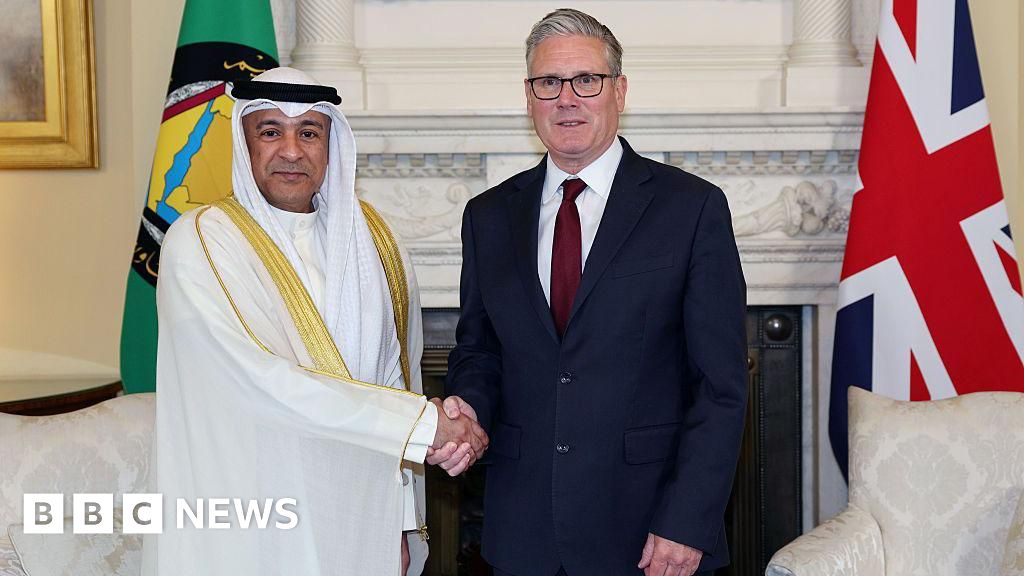
The United Kingdom has finalized a significant trade agreement with the Gulf Cooperation Council (GCC), a bloc consisting of six Middle Eastern countries: Bahrain, Kuwait, Oman, Qatar, Saudi Arabia, and the United Arab Emirates. Officials project that this deal will boost the UK economy by £3.7 billion. Once fully implemented, it is expected to eliminate approximately £580 million annually in tariffs on British exports to these Gulf states, easing market access for UK businesses.
In addition to reducing tariffs on products such as cheddar cheese, butter, and chocolate, the agreement aims to facilitate stronger partnerships and expansion opportunities for British companies in the Gulf region, thus supporting job creation. This trade pact represents the third major deal negotiated under the current government, following agreements with India and South Korea, and is notably the first of its kind between a G7 country and the Gulf Cooperation Council.
Prime Minister Sir Keir Starmer described the agreement as “a huge win” for workers and businesses across Britain, emphasizing that it would translate into increased wages and enhanced opportunities over time. Other government officials also expressed their optimism: Business and Trade Secretary Peter Kyle highlighted the deal’s role in providing exporters with greater certainty amid global instability, while Chancellor Rachel Reeves underscored how the agreement backs British industry in competing on the world stage, adding, “This agreement is good for jobs, good for industry and ultimately good for consumers.”
Nevertheless, the trade deal has faced criticism from human rights and environmental groups. The Trade Justice Movement warned that the agreement raises serious concerns about the UK deepening commercial ties with governments known for repressive practices, press restrictions, and the continued use of the death penalty. They also pointed to the Gulf countries’ substantial greenhouse gas emissions linked to their oil industries, arguing the economic gains of the deal are minimal compared to these risks. Critics have stressed the absence of comprehensive commitments within the agreement to address human rights, labor protections, and climate action
Read the full article from The BBC here: Read More
Auto Amazon Links: No products found.